TL;DR

Get business pricing on tech for your team
- Business-only prices and quantity discounts
- Tax-exempt purchasing
- Multiple users, one account, clear invoices
On November 6, protesters entered a data center construction site in Amsterdam-West, where developer Pure DC is building a facility leased to Microsoft. The arrests and site clearance are confirmed, but crowd-size estimates differ; the action also reflects wider European disputes over electricity demand, water, land use and the expansion of data centers.
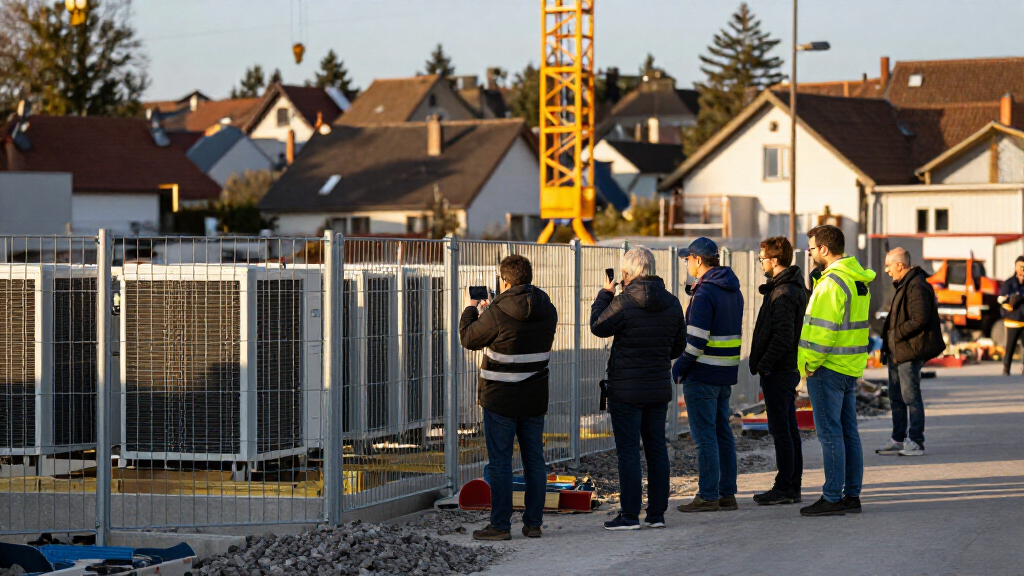
Police said 218 people were arrested after protesters entered a data center construction site in Amsterdam-West on November 6, climbed a crane and hung banners opposing AI and Microsoft. All have since been released, according to a police spokesperson cited by Dutch news agency ANP. The protest brought a wider European dispute over data centers’ demands for electricity, water and land to a construction site for a facility leased to Microsoft.
The site is in Westpoort, Amsterdam’s port area. British developer Pure DC is building the facility, while Microsoft is the tenant. Reuters reported that a witness saw around 100 people on the site; organisers gave a higher estimate. Police cleared the site after giving protesters time to leave, according to local reporting. One officer was slightly injured.
Police said demonstrators cut open a fence and that some people carried items they believed had been taken from the site. The site owner filed a complaint alleging trespassing, vandalism and burglary. These are allegations; no court ruling is reported in the source material. Police also described confrontations earlier in the day after officers stopped demonstrators carrying an angle grinder and climbing equipment.
Pure DC says the project, called AMS01, will have three towers, each 85 metres tall, with 26 megawatts of data halls per tower, or 78 MW in total. The company says it is investing more than €1 billion and plans its own substation. It also says cooling will use non-potable water from the port. These are company figures and claims; the source material does not independently verify them.
Europe’s data center debate reaches Amsterdam
A protest at a Microsoft-leased construction site brought concerns about electricity, water and land into focus. The dispute also raises questions about local benefits and Europe’s demand for computing capacity.
Why opposition is growing
The debate centers on resources and who bears the local costs.
Pressure on the grid
Large facilities need substantial power, raising questions about supply and access where capacity is constrained.
Cooling demands
Opponents question water use. Pure DC says AMS01 will use non-potable water from the port.
Local impact
Residents may weigh construction and land use against promised jobs, revenue and other benefits.
Amsterdam site: confirmed and disputed
Police cleared the Westpoort construction site after protesters entered, climbed a crane and hung banners.
- Police said 218 people were arrested and later released.
- Pure DC is developing the facility; Microsoft is the tenant.
- The site owner filed a complaint alleging trespassing, vandalism and burglary.
- Estimates of the protest crowd range from around 100 to several hundred.
- Campaign action counts differ by source and include non-protest events.
- The legal allegations have not been resolved in court.
A local project, European trade-offs
The Amsterdam action is part of a wider campaign over how quickly large data centers should expand.
| Expansion case | Local concerns |
|---|---|
| Europe wants more computing capacity, and Microsoft has promised to grow its European data center capacity by 40%. | More facilities can intensify disputes over power, water, land and local consent. |
| Pure DC projects jobs, city revenue and a facility with its own substation. | Those benefits are developer projections; independent measurements and realized costs are not provided. |
What remains to be established
Key questions concern the project’s actual local effects and the outcome of the campaign.
- How much electricity and water will the Amsterdam facility use?
- What will its effect be on local grid capacity?
- Will projected jobs and revenues match realized costs?
- Will the protest affect construction timing or local policy?
Europe’s Grid Faces New Demand
Data centers support cloud computing and AI services, but they require large amounts of electricity. The European Commission, citing the International Energy Agency, says data centers used 70 terawatt-hours of electricity in the EU in 2024, with demand projected to reach 115 TWh by 2030. That forecast makes the location and pace of new construction a public question, particularly where electricity supply and grid capacity are constrained.
The effects already vary by country. In Ireland, data centers accounted for 22% of metered electricity use in 2024, according to the source material. Amsterdam says it has allowed no new large data centers since June 2025. Those figures help explain why opposition can focus on local infrastructure as well as on AI: residents may ask who gets access to limited power, how facilities affect water use and land, and whether promised local benefits match the costs.
Companies and governments also have reasons to build. Europe wants more computing capacity within the region, and Microsoft has promised to grow its European data center capacity by 40%. A pause on construction could affect that ambition, while rapid expansion can sharpen disputes about infrastructure and local consent. The Amsterdam protest makes those competing pressures visible, without settling how they should be balanced.
Products Worth Considering

Jackery Explorer 300 Portable Power Station, 292Wh

Jackery HomePower 3600 Plus Portable Power Station, 3584Wh, 3600W

LG UltraGear 32GX850A-B 32-inch 4K UHD Glossy OLED Gaming Monitor
As an affiliate, we earn on qualifying purchases.
A Local Site, Wider Campaign
The Amsterdam action was part of a campaign by a coalition called Stop Dirty Data Centres, which is calling for a moratorium on large data centers. Accounts of the campaign’s reach differ: Reuters reported actions in 16 countries, while organisers told the Associated Press and Agence France-Presse there were actions in 15. The coalition’s website lists 85 events, many of them talks and walks rather than protests at construction sites.
There are also different accounts of the Amsterdam crowd. A Reuters witness estimated around 100 people on the site; organisers said several hundred, and a campaigner quoted by Bloomberg put total attendance at about 400. These figures may describe different things, including the number inside the site and the wider gathering. The confirmed arrest figure is 218, according to police; it does not establish the total crowd size.
Pure DC’s project figures include a planned peak construction workforce of 1,100 in 2027, more than 80 permanent jobs and about €4 million a year in taxes and revenues for the city. The company also says the facility’s design power usage effectiveness will be below 1.18, compared with a Dutch target of 1.2. These are developer-provided projections, not reported outcomes. They describe potential local benefits and design targets, while the protest reflects concerns about the wider resource demands of the project.
““We understand that people feel strongly about the project, and we respect their right to express those views peacefully. However, we do not condone any actions that are unlawful or that put people’s safety at risk.””
— Microsoft
Project Impacts Still Contested
The source material does not provide independent measurements of the Amsterdam facility’s expected electricity or water use, its effect on local grid capacity, or how its projected economic benefits will compare with realized costs. Pure DC says its cooling system will use non-potable port water, but the material does not include an independent assessment of the system or its effects.
The number of people at the protest remains disputed, and the legal allegations have not been resolved in court. The coalition’s campaign totals also vary by source and include events that were not site protests. It is not clear from the available material whether the Amsterdam action will change the construction schedule or local policy.
Legal Complaints and Local Debate
Police have reported that all 218 people arrested were released, with one person held overnight. The site owner’s complaint concerns alleged trespassing, vandalism and burglary; the source material does not give a timetable for any further legal steps. It also does not establish whether the allegations will lead to charges.
The construction project and the broader campaign remain in view. Local debate is likely to turn on the facility’s resource use, the developer’s projected jobs and revenues, and Amsterdam’s restrictions on new large data centers. Across Europe, the next developments will show whether calls for a moratorium gain political support and how governments weigh local infrastructure concerns against demand for computing capacity.
Key Questions
What happened at the Amsterdam data center site?
Protesters entered the Westpoort construction site on November 6, climbed a crane and hung banners. Police cleared the site and later said 218 people had been arrested; all have been released.
Is Microsoft building the facility?
No. The source material identifies Pure DC as the developer and Microsoft as the tenant.
Why are people opposing data centers?
Opponents have raised concerns about the electricity, water and land required by large facilities. The coalition Stop Dirty Data Centres is calling for a moratorium. The source material does not establish that every protester shares the same reasons.
How many people attended the Amsterdam protest?
The total is disputed. A Reuters witness estimated around 100 people on the site, while organisers and a campaigner cited by other outlets gave higher figures. Police reported 218 arrests; that count does not settle the total attendance.
Source: Thorsten Meyer AI