📊 Full opportunity report: AI Call Answering That Turns Trade Calls Into Booked Jobs on IdeaNavigator AI — validation score, market gap, and execution plan.

Get business pricing on tech for your team
- Business-only prices and quantity discounts
- Tax-exempt purchasing
- Multiple users, one account, clear invoices
TL;DR
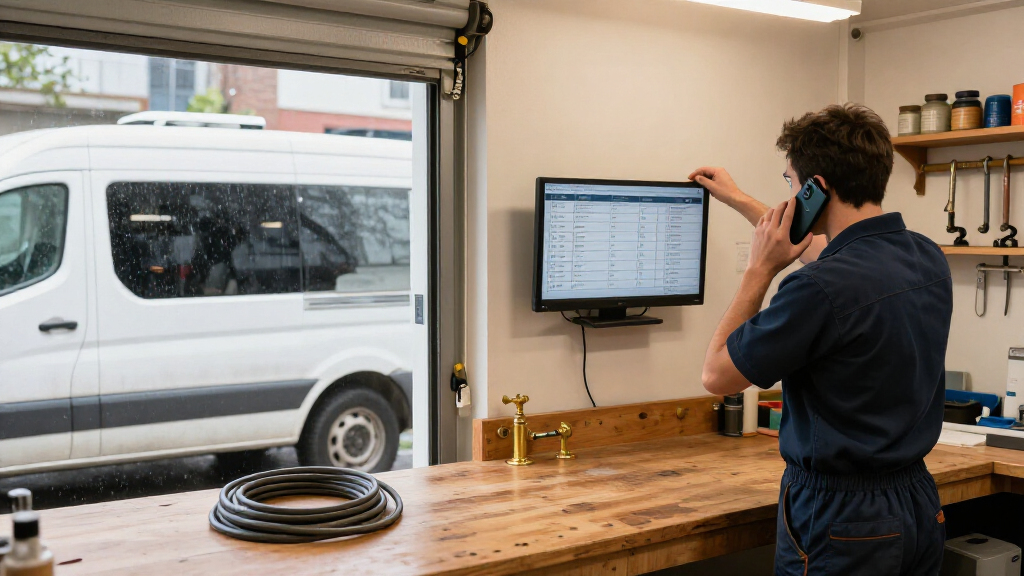
IdeaNavigator AI has outlined an AI phone-answering service for plumbing, HVAC and electrical businesses that miss calls while owners are on jobs. The proposed product would collect job details, schedule appointments, alert the owner and route emergencies to a person; whether it can reliably book profitable work remains to be tested.
IdeaNavigator AI has proposed a test of an AI phone-answering service for plumbing, HVAC and electrical businesses that miss customer calls while owners are working on-site. The suggested pilot would forward after-hours calls for five shops over one month and count jobs the system books that owners say they would otherwise have missed; no results from such a trial were provided.
The proposed service would answer calls using a natural-sounding voice, ask about the caller’s problem, address and urgency, and book an appointment in the business calendar or software such as ServiceTitan or Jobber. It would then send the owner a text summary. Calls judged to involve emergencies would be escalated to a live person, according to the product outline.
The idea targets owner-operators who may be unable to answer while under a sink, on a roof or otherwise occupied at a job. IdeaNavigator AI describes the commercial premise as a missed call potentially becoming a job for another contractor. The proposal does not provide measured call volumes, conversion rates or evidence that a particular share of calls is being lost.
The suggested pricing combines a flat monthly fee per phone line with an additional charge for each booked job. The proposed pilot would compare the number and value of jobs attributed to the system with each shop’s average ticket. No price, booking threshold, customer data or pilot agreement is specified.
Turn trade calls into booked jobs?
IdeaNavigator AI proposes an answering service for plumbing, HVAC and electrical businesses. Its ability to book profitable work has not yet been tested.
How the service would work
The proposed workflow connects call handling to a shop’s scheduling and follow-up.
Ask about the problem, service address and urgency.
Book an appointment in a calendar or platform such as ServiceTitan or Jobber, then text the owner a summary.
Route calls judged to be emergencies to a live person.
What a pilot should track
Bookings alone may not show whether the service creates new business or pays for itself.
- Calls answered and qualified leads
- Appointments booked, cancellations and completed jobs
- Emergency escalations and whether they reach a person
- Work owners believe they would otherwise have missed
- Job value compared with service fees and costs
Promise versus proof
The proposal outlines a workflow, but supplies no pilot findings or independent reliability evidence.
- Natural-sounding call answering
- Job intake, scheduling and owner texts
- Monthly fee plus a charge per booked job
- Booking accuracy and incremental jobs
- Working software integrations
- Pricing, profitability and caller acceptance
Missed Calls Put Jobs at Risk
For small trade businesses, a phone call can be the first step toward a service visit and revenue. An owner who cannot answer during field work may have limited capacity to return every call quickly. A system that reliably captures details and schedules routine work could reduce that administrative gap, while allowing the owner to focus on the job in progress.
The business case is not established by the proposal alone. A monthly subscription plus per-booking charge would need to generate enough genuinely incremental work to cover its cost. Businesses would also need to know whether callers accept an automated voice, whether appointments are booked correctly, and whether emergency escalation works when a person is unavailable. These outcomes matter more than the ability to answer a phone in a demonstration.
The test could offer a practical way to evaluate the concept without assuming that every answered call becomes a paid job. Shops would need to distinguish calls the AI handled from calls that would have converted through voicemail, a callback or existing answering arrangements. Without that comparison, the count of bookings may overstate the service’s contribution.
Products Worth Considering

Sonos Era 300 Wireless Smart Speaker with Dolby Atmos, Black

Jackery Solar Generator 1000 V2 with 100W Solar Panel, 1024Wh

Amazon Kindle Paperwhite (16 GB, 11th Generation, 2021) – 6.8-inch Display, Adjustable Warm Light, Black
As an affiliate, we earn on qualifying purchases.
A Narrow First Test for Trades
IdeaNavigator AI frames the concept as a first workflow to test, rather than a fully validated business. Its focus is structured intake for common home-service calls: identify the issue, establish where the work is needed, determine urgency and arrange a slot. The outline says voice AI reached a reliability threshold for these structured calls in 2025–2026, but provides no benchmark, test results or independent evidence supporting that assessment.
The proposed integration with calendars and trade-business platforms is central to the idea. Capturing a caller’s details alone would leave the owner to repeat the administrative work; placing the appointment in the system and sending a concise summary are intended to connect answering with operations. The proposal names ServiceTitan and Jobber as possible destinations but does not document working integrations or compatibility details.
Its suggested validation method is limited and specific: forward after-hours calls from five shops for a month, then count booked work that owners believe would otherwise have been missed and compare its value with average job size. The outline does not say whether any businesses have enrolled or whether this trial has begun.
Booking Reliability Still Unproven
No pilot findings are available in the supplied proposal, so it is not known how many calls the service could answer, how often it would book a job correctly or what share of bookings would be new business. The reliability claim for structured voice intake is not accompanied by a cited study, benchmark or deployment data.
Other operational questions remain open: how the system would recognize urgent or unusual problems, handle callers who provide incomplete information, protect personal details, and transfer a call when the owner or an emergency contact does not pick up. The proposal does not specify its pricing, cancellation terms, response standards or safeguards against duplicate or mistaken appointments.
It is also unclear how the proposed trial would establish that a booked job would otherwise have been lost. A month of after-hours calls may not represent normal demand, and average ticket size does not by itself show profit after labor, materials and the service fee. Those limits would affect how confidently a shop could use the test to decide whether to pay for the product.
Pilot Results Would Test Demand
The next stated step is a proposed one-month trial with five plumbing, HVAC or electrical shops, using after-hours call forwarding. To assess the idea, participating businesses would need to record answered calls, qualified leads, confirmed appointments, escalations, cancellations and completed jobs, then compare those results with the service’s charges and the work’s actual value.
No trial start date, participating businesses, product launch or follow-up results have been announced in the supplied information. Until those details are available, the service remains a proposed business opportunity rather than a proven way to turn missed trade calls into booked, profitable work.
Source: IdeaNavigator AI
Key Questions
What would the proposed AI answering service do?
It would answer calls, ask about the job, address and urgency, schedule an appointment in a calendar or compatible trade platform, and text the owner a summary. The proposal also calls for live escalation of emergencies.
Has the service been shown to book more jobs?
No trial results were provided. The proposal recommends testing the idea with after-hours calls from five shops for one month, so its booking performance and business impact remain unknown.
Who is the idea aimed at?
It is aimed at owner-operated plumbing, HVAC and electrical businesses whose owners may miss calls while working at customer sites.
How is the service supposed to make money?
The proposed model combines a monthly charge per phone line with a fee for each booked job. No specific prices or evidence of customer demand are supplied.
What should a pilot measure?
A useful test would track calls answered, appointments booked, emergency escalations, completed jobs and cancellations, then compare incremental revenue and costs with the service fees. The proposal does not provide a finalized measurement plan.
Source: IdeaNavigator AI