

You’re seeing more entrepreneurs and freelancers manage entire operations alone to stay agile, cut costs, and adapt swiftly. As a one-person team, you take on roles from project management to customer support, balancing multiple responsibilities. Success depends on effective resource management, clear communication, and self-management. This solo approach empowers you with control and independence, but also requires strategic planning to avoid burnout. Keep exploring to discover how others excel in this evolving, one-person operation landscape.
Key Takeaways
- Increasing demand for agility encourages individuals to manage entire projects independently, enhancing responsiveness and accountability.
- Effective resource management is crucial for solo operators to optimize time, budget, and tools for maximum productivity.
- Wearing multiple roles requires balancing diverse responsibilities without compromising project quality or personal well-being.
- Strong communication and relationship-building skills are essential for maintaining stakeholder trust and collaboration, even solo.
- Self-management and strategic resource utilization empower individuals to achieve significant project outcomes independently.

In today’s fast-paced world, more individuals are taking on the challenge of building and leading entire projects alone. You might find yourself in a position where you’re responsible for every aspect, from planning to execution. This shift isn’t just a trend; it’s a response to the increasing need for agility and personal accountability. As a one-person operation, you quickly realize that understanding collaborative dynamics becomes crucial, even if you’re working solo. You need to manage relationships with clients, vendors, or internal teams efficiently, fostering trust and clear communication without the benefit of a traditional team structure. Your ability to navigate these dynamics determines how smoothly your project progresses and how well you can adapt to unforeseen challenges.
Resource management, in this context, takes on a new level of importance. When you’re handling everything alone, every resource—time, budget, tools—must be allocated with precision. You can’t afford to waste effort on tasks that don’t move the project forward. Instead, you develop a keen sense of prioritization, focusing on high-impact activities that maximize your productivity. You also become more resourceful, seeking out automation tools and streamlined workflows to compensate for the absence of additional team members. This self-reliance enhances your adaptability but also demands discipline and strategic thinking. You learn to be flexible, adjusting your plans as new information or obstacles arise, always keeping resource management at the forefront. Developing a comprehensive understanding of resource allocation helps you optimize your efforts and avoid burnout. Understanding collaborative dynamics even as a solo operator helps you build stronger relationships and leverage external support more effectively, especially when working with external partners or clients.
Effective resource management requires prioritization, automation, and strategic flexibility to maximize productivity when working solo.
The rise of one-person teams also means you need to wear multiple hats—marketer, project manager, customer support, and sometimes even a tech expert. Your success hinges on your ability to balance these roles without losing sight of your main goals. You develop a heightened awareness of collaborative dynamics, even if it’s with external entities, ensuring everyone remains aligned and engaged. This often involves clear documentation, regular updates, and setting boundaries to prevent burnout. You recognize that your ability to manage resources effectively directly impacts your project’s quality and your own well-being. With fewer people involved, your decisions carry more weight, making your strategic approach to resource management and relationship-building all the more vital. Developing effective communication skills becomes essential for maintaining clarity and trust with external stakeholders.
Ultimately, embracing the rise of one-person teams means mastering the art of self-management. You learn to leverage collaboration, even indirectly, and optimize your resources to achieve big results on your own. It’s a demanding path, but one that offers unparalleled independence and the satisfaction of knowing you’re fully in control of your project’s success.

Vibe Coding for Solo Entrepreneurs: Build Simple Apps, Automations, and Tools with Claude Without Coding Skills (Vibe Coding Toolbox Book 6)
As an affiliate, we earn on qualifying purchases.
As an affiliate, we earn on qualifying purchases.
Frequently Asked Questions
How Do One-Person Teams Handle Customer Support Effectively?
You handle customer support effectively by prioritizing quick response speed and maintaining high customer satisfaction. Use tools like chatbots or canned responses to address common questions swiftly. Stay organized with a ticketing system to track issues and follow up promptly. Personalize interactions when possible, showing genuine care. By balancing efficiency and empathy, you guarantee customers feel valued and supported, leading to positive experiences and loyalty.
What Tools Are Essential for Managing a One-Person Operation?
Back in the day, you’d need a team to stay afloat, but now, automation tools and productivity hacks are your best friends. Essential tools include project management software like Trello or Asana, communication platforms like Slack, and automation apps such as Zapier or IFTTT. These help streamline tasks, save time, and keep you organized, letting you handle everything efficiently without feeling overwhelmed. Embrace these tools to boost your solo operation’s success.
How Do Solo Entrepreneurs Scale Their Businesses Sustainably?
To scale your business sustainably, you should leverage automated marketing tools that streamline outreach and customer engagement, saving you time and effort. Additionally, strategically outsourcing tasks allows you to focus on high-value activities while experts handle specialized work. By balancing automation with outsourcing, you can grow efficiently, maintain quality, and avoid burnout, ensuring your solo operation remains scalable and adaptable to increasing demand.
What Are Common Challenges Faced by One-Person Teams?
You often face challenges like managing workload and staying organized, especially without team collaboration. Implementing automation strategies helps you streamline repetitive tasks, giving you more time to focus on growth. However, juggling everything can lead to burnout or missed opportunities. Balancing automation with effective team collaboration, even if you’re solo, keeps your operations smooth and sustainable, ensuring you don’t get overwhelmed while maintaining productivity.
How Do They Maintain Work-Life Balance?
You might think juggling everything keeps work and life separate, but ironically, maintaining work-life balance is all about focusing on mental health and mastering time management. Set clear boundaries, prioritize tasks, and schedule breaks to prevent burnout. By consciously managing your time, you create space for personal life, making work feel less overwhelming. Remember, taking care of your mental health isn’t a luxury; it’s essential for sustained productivity and happiness.
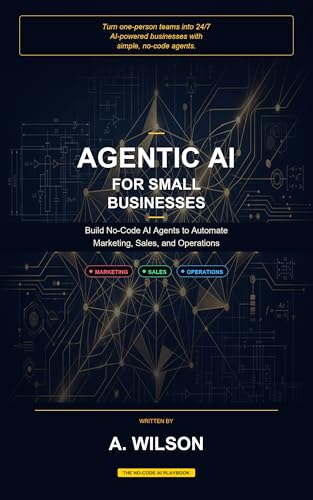
Agentic AI for Small Businesses: Build No‑Code AI Agents to Automate Marketing, Sales, and Operations: Turn one‑person teams into 24/7 AI‑powered businesses … earn more, and automate everything 2)
As an affiliate, we earn on qualifying purchases.
As an affiliate, we earn on qualifying purchases.
Conclusion
As you stand at the helm of your one-person operation, remember you’re both the lighthouse and the sailor—guiding with clarity, maneuvering through challenges alone. Your resilience becomes the steady beacon, shining bright amid storms, while your adaptability is the compass steering you forward. Embrace this autonomy, knowing you’re forging a path uniquely yours—where every step is a ripple in a vast, limitless ocean. In this solitary journey, you find strength in your own light, illuminating new horizons.

BookFactory Time Tracker Notebook Work Hours Log Book Business Hourly Tracking Billable Hours and Materials LogBook Time Management – 100 Pages, 6'' x 9'', Wire-O (Made in USA)
Made in USA. Veteran-Owned and Proudly Produced in Ohio.
As an affiliate, we earn on qualifying purchases.
As an affiliate, we earn on qualifying purchases.

The Small Business Bible: Everything You Need to Know to Succeed in Your Small Business
As an affiliate, we earn on qualifying purchases.
As an affiliate, we earn on qualifying purchases.