

AI is shrinking some job descriptions by automating routine tasks like data entry and customer service, allowing you to focus on more strategic and creative responsibilities. At the same time, it’s creating new roles that require skills in managing AI systems, data science, and human-AI collaboration. Your skills need to evolve to stay relevant, as workforce adaptation becomes essential. Keep exploring how AI’s influence can shape your future work opportunities.
Key Takeaways
- AI automates routine tasks, reducing the scope of traditional job roles in data entry, customer service, and reporting.
- It creates new roles focused on managing AI systems, data privacy, and developing innovative AI applications.
- Workers need to develop skills in data interpretation, troubleshooting, and designing AI-integrated workflows.
- AI enhances efficiency and accuracy, shifting focus from manual tasks to strategic and creative responsibilities.
- Embracing AI fosters workforce adaptation, emphasizing continuous learning and technological literacy for future roles.

Artificial intelligence is transforming the way we work by both shrinking some job descriptions and expanding others. You’re likely noticing how automated processes are taking over repetitive tasks, allowing you to focus on more strategic and creative aspects of your role. As AI tools become more integrated into daily operations, certain roles that once required manual effort are now streamlined, reducing the need for extensive human intervention. This shift not only increases efficiency but also pushes you to adapt your skills to stay relevant in a rapidly changing landscape.
AI is reshaping work, automating routine tasks, and encouraging skill adaptation for a more strategic future.
With automation handling routine tasks, your job description might be shrinking in areas like data entry, basic customer service, or simple report generation. These automated processes operate faster, with fewer errors, freeing up your time and mental energy for more complex responsibilities. Instead of spending hours on mundane duties, you can now concentrate on interpreting insights, developing new strategies, or engaging in high-value interactions. This change is not about eliminating jobs but transforming them—requiring workforce adaptation to new tools and workflows.
Adapting to these changes means you need to develop new skills and embrace continuous learning. You might find yourself learning to manage and troubleshoot AI systems, interpret data generated by automated processes, or design workflows that incorporate these technologies seamlessly. Workforce adaptation becomes essential because AI is not just replacing tasks; it’s reshaping entire roles. Your ability to understand AI capabilities and limitations directly influences how effectively you can leverage these tools to enhance your productivity.
Furthermore, as some jobs shrink, new roles are emerging—positions that focus on overseeing AI operations, managing data privacy, or developing innovative applications of artificial intelligence. You may need to acquire knowledge in data science, machine learning, or human-AI collaboration to stay ahead. Workforce adaptation isn’t just about technical skills; it’s also about cultivating agility and a growth mindset. Staying open to change, seeking out training opportunities, and being proactive about learning new technologies will become vital parts of your career development. Recognizing the importance of technological literacy can help you better navigate these changes and utilize AI tools effectively.
In addition, understanding how AI automates tasks can help you identify areas where automation can be most beneficial in your work environment. Recognizing the importance of technological literacy will help you better navigate these changes and utilize AI tools effectively. Staying informed about the role of automation in job evolution can also prepare you to adapt swiftly as new opportunities arise. Developing a clear understanding of the impact of AI on employment can empower you to make informed decisions about your career trajectory. In essence, AI’s influence on job descriptions pushes you to evolve with the technology, rather than resist it. Automated processes eliminate some tasks, but they also open doors to new opportunities for growth and specialization. Your ability to adapt, learn, and leverage AI will determine how successfully you navigate this transformation. The future of work is one of collaboration between humans and machines—where your skills, flexibility, and willingness to grow play pivotal roles in shaping your professional path.
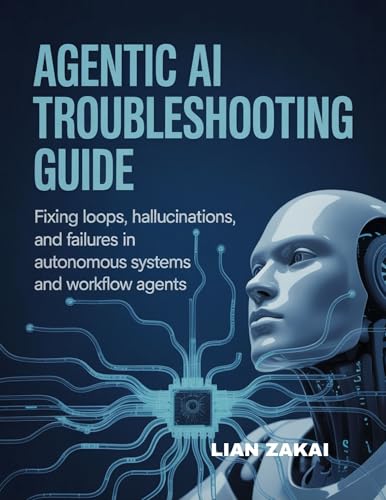
Agentic AI Troubleshooting Guide: Fixing Loops, Hallucinations, and Failures in Autonomous Systems and Workflow Agents
As an affiliate, we earn on qualifying purchases.
As an affiliate, we earn on qualifying purchases.
Frequently Asked Questions
How Do Companies Decide Which Roles to Automate?
You decide which roles to automate by analyzing potential for job displacement and efficiency gains. Companies evaluate tasks that are repetitive or data-heavy, where automation saves time and reduces errors. They also consider employee skill retraining, ensuring workers can shift to new roles instead of facing job loss. This strategic approach helps balance automation benefits with workforce stability, making the shift smoother for the organization and its employees.
What Skills Are Now Most Valuable in Ai-Affected Jobs?
In AI-affected jobs, your most valuable skills include creative collaboration and emotional intelligence. As AI handles routine tasks, your ability to think creatively and work effectively with others becomes essential. Emotional intelligence helps you navigate interpersonal dynamics and adapt to change. By leveraging these skills, you can add unique value, foster teamwork, and stay relevant in a landscape where automation complements human strengths rather than replacing them.
How Does AI Impact Job Satisfaction and Employee Morale?
Imagine walking into your workplace, where AI handles routine tasks, freeing you for more meaningful work. This boosts your workplace happiness and makes you feel more engaged, knowing your skills matter. AI can improve morale by reducing monotonous duties, but it also risks causing uncertainty. Overall, when implemented thoughtfully, AI can foster a more satisfying environment, strengthening employee engagement and creating a positive atmosphere where you feel valued and motivated.
Are There Industries Less Affected by AI Automation?
Certain industries, like arts, education, and healthcare, are less affected by AI automation because of industry resistance and automation barriers. You’ll find that these sectors rely heavily on human skills, empathy, and creativity, making automation challenging. While AI can assist, it can’t replace the nuanced judgment and personal touch needed. So, if you’re in these fields, your role remains more secure, and the impact of AI is less profound.
What Ethical Considerations Arise From Ai-Driven Job Changes?
You should consider privacy concerns and bias mitigation when addressing AI-driven job changes. As AI impacts workplaces, it’s essential to protect workers’ personal data and guarantee algorithms don’t reinforce biases. Ethical issues include transparency, fairness, and accountability, which help prevent discrimination and maintain trust. By prioritizing these considerations, you can navigate AI’s influence responsibly, fostering a fairer, more inclusive environment where technology benefits everyone.

ELEGOO Mega R3 Project The Most Complete Ultimate Starter Kit with Tutorial Compatible with Arduino IDE
The MEGA2560 complete starter kit with more than 200pcs components, premium quality for Arduino kit
As an affiliate, we earn on qualifying purchases.
As an affiliate, we earn on qualifying purchases.
Conclusion
You’re on the front lines of a revolution that’s reshaping work faster than you can blink. AI’s shrinking some roles and expanding others, turning your job landscape into a wild, unpredictable adventure. Embrace the change—because in this era, adaptability isn’t just a skill, it’s your secret weapon. Get ready to thrive in the chaos, or risk being left behind in the dust of this technological tornado. The future’s yours to conquer!
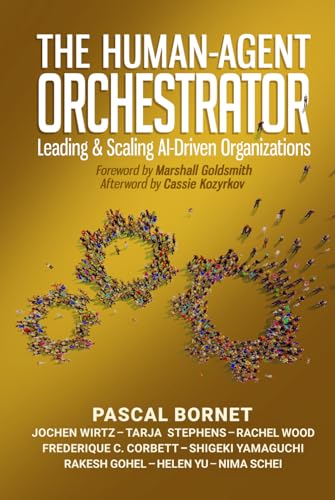
The Human-Agent Orchestrator: Leading and Scaling AI-Driven Organizations
As an affiliate, we earn on qualifying purchases.
As an affiliate, we earn on qualifying purchases.
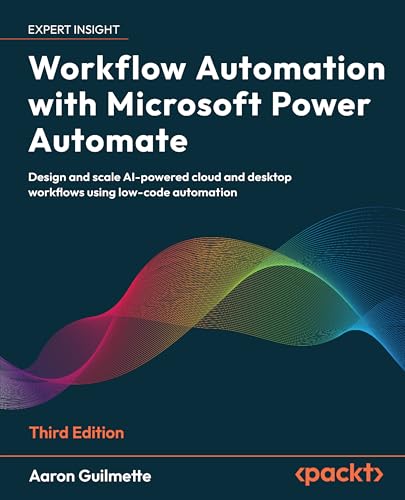
Workflow Automation with Microsoft Power Automate: Design and scale AI-powered cloud and desktop workflows using low-code automation
As an affiliate, we earn on qualifying purchases.
As an affiliate, we earn on qualifying purchases.