

AI is changing how experts earn trust by making their decision processes more transparent and accountable. When experts openly explain how AI models work and share data sources, they build confidence and demystify AI’s role in decisions. Addressing AI’s limitations and biases honestly shows integrity, strengthening credibility. Strategies like transparency and responsible communication foster trust and demonstrate ethical standards. To discover more about these crucial developments and their impact, keep exploring these essential advancements.
Key Takeaways
- AI transparency helps experts build trust by clarifying decision processes and data sources.
- Openness about AI limitations and biases demonstrates integrity and enhances credibility.
- Explaining AI mechanics reduces opacity, increasing stakeholder confidence in expert conclusions.
- Ethical transparency and accountability in AI use foster long-term trust with clients and the public.
- Engaging with AI’s role openly encourages critical evaluation and strengthens expert authority.

As artificial intelligence becomes more integrated into decision-making processes, trusting experts who rely on AI tools is increasingly essential. You’re now in an era where AI-driven insights influence everything from healthcare to finance, making transparency a critical factor in how experts build and maintain credibility. When experts openly share how AI models arrive at their conclusions—what data they use, how algorithms process that data, and where potential biases exist—they foster AI transparency. This openness reassures you that the expert isn’t just taking AI outputs at face value but understands the underlying mechanics. It’s no longer enough for an expert to present findings; you want to see clear explanations that demystify AI’s role, strengthening your confidence in their expertise.
Expert credibility now hinges on this transparency. When professionals explain AI’s limitations and strengths, they demonstrate honesty and a commitment to ethical practices. You’re more likely to trust an expert who admits where AI might falter or where human judgment still holds sway. This honesty builds relational trust and signals that the expert isn’t solely relying on AI but is critically evaluating its outputs. As AI tools become more complex, your confidence depends on whether experts can effectively communicate how these tools influence their decisions. Transparency acts as a bridge, ensuring that the reliance on AI enhances rather than diminishes your trust in their expertise. Additionally, fostering AI literacy helps you better understand these technologies, which further supports trust and informed decision-making.
Moreover, AI transparency influences how you perceive an expert’s credibility. When experts provide insights into AI’s decision-making process, it reduces the black-box nature of these systems. You’re no longer just accepting results; you’re understanding the “why” behind them. This understanding fosters a sense of agency and reassurance, making you more comfortable trusting their judgments. It becomes clear that the expert isn’t merely following AI recommendations but is critically engaging with the technology, which elevates their credibility in your eyes. Additionally, trust-building strategies such as open communication and accountability are crucial in this evolving landscape. Recognizing the importance of trust-building strategies in this context helps reinforce your confidence in the expert’s integrity.
At the same time, AI transparency encourages accountability. When experts openly discuss how AI models are built and used, it becomes easier to identify potential biases or errors. This transparency helps you see that the expert isn’t hiding flaws but actively working to mitigate them. As a result, your trust deepens because you recognize the expert’s commitment to accuracy and integrity. Ultimately, in a landscape where AI’s influence continues to grow, transparent communication about AI processes is essential for maintaining and strengthening trust in the experts you rely on.

ESSENTIAL AI TOOLS FOR TRANSPARENT MODELS USING SHAP, LIME, AND VISUALIZATION TECHNIQUES: 65 PRACTICAL EXERCISES TO ENHANCE INTERPRETABILITY AND TRUST IN BLACK-BOX MODELS
As an affiliate, we earn on qualifying purchases.
As an affiliate, we earn on qualifying purchases.
Frequently Asked Questions
How Do Experts Maintain Authenticity With Ai-Generated Information?
You maintain authenticity with AI-generated information by prioritizing authenticity verification and credential transparency. Always double-check facts through trusted sources, and openly share your credentials and expertise to build trust. When using AI, clarify its role and limitations, and provide context where needed. This transparency helps others see you’re committed to genuine, accurate information, reinforcing your credibility and fostering trust in your expertise.
Can AI Influence Public Perception of Expert Credibility?
You see AI shape public perception like a mirror reflecting transparency and emotional intelligence. When algorithms are clear, people trust what they see—experts gain credibility through open practices. Conversely, hidden biases or opaque processes can cloud trust, making perceptions sway. If AI demonstrates empathy and transparency, it bolsters experts’ credibility, guiding the public to see them as genuine and reliable amid the digital landscape.
What Ethical Concerns Arise From AI in Trust-Building?
You should be aware that AI in trust-building raises ethical concerns like algorithm transparency and data privacy. When algorithms aren’t clear, you risk losing trust, as people may doubt how decisions are made. Additionally, mishandling sensitive data can breach privacy, damaging credibility. To foster genuine trust, you must prioritize transparency and protect data, ensuring your AI practices are ethical and respectful of individual rights.
How Do Experts Address AI Bias in Trust Assessments?
You realize that experts address AI bias by prioritizing algorithm transparency, making it clear how decisions are made. They actively implement bias mitigation strategies, such as diverse training data and fairness adjustments, to reduce unfair outcomes. By scrutinizing AI systems regularly and involving human oversight, they build trust with users. These efforts help guarantee that AI assessments remain objective and reliable, fostering confidence in the technology’s role in trust-building.
Will AI Replace Human Judgment in Earning Trust?
AI won’t fully replace human judgment in earning trust because AI transparency remains limited, and human intuition plays a vital role. While AI can analyze data quickly and objectively, people still rely on emotional insights and contextual understanding that AI can’t replicate. You need to balance AI’s efficiency with human expertise, ensuring transparency and empathy, so trust is built genuinely and sustainably.

Interpretable AI: Building explainable machine learning systems
As an affiliate, we earn on qualifying purchases.
As an affiliate, we earn on qualifying purchases.
Conclusion
As AI continues to evolve, it’s like a trusted compass guiding experts through uncharted waters. You’re no longer just relying on instinct or experience but blending human insight with machine precision. This synergy builds bridges of trust, making your expertise stronger and more credible. Embrace AI as your reliable partner—it’s here to help you navigate the future with confidence, turning the uncertain into a clear path ahead.

Practical AI Governance: Building a Program for Oversight and Strategy
As an affiliate, we earn on qualifying purchases.
As an affiliate, we earn on qualifying purchases.
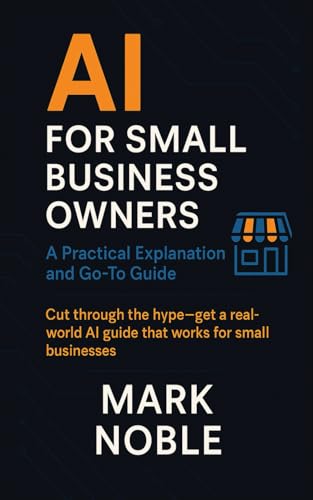
AI for Small Business Owners: A Practical Explanation and Go-To Guide
As an affiliate, we earn on qualifying purchases.
As an affiliate, we earn on qualifying purchases.