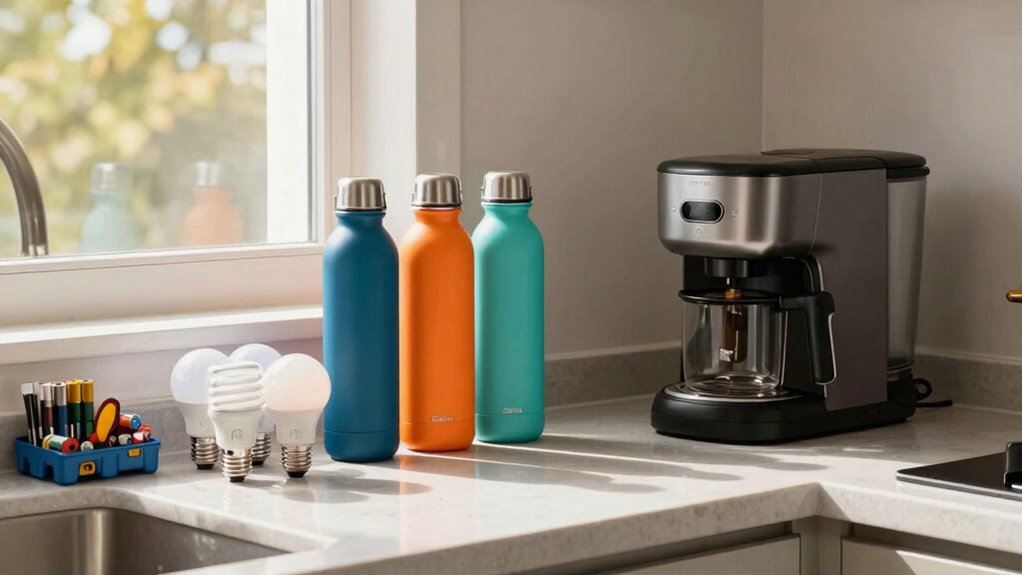

Many households now buy benefits themselves because employers have cut or eliminated perks like health insurance, gym memberships, and wellness programs to save costs. As workplace policies shift and economic pressures grow, you’re expected to manage your own health, retirement, and professional development. With digital tools, you can shop for plans that fit your needs and budget. This change means you need to be proactive about your benefits—learn how to navigate this new landscape to make smarter choices.
Key Takeaways
- Employers have reduced or eliminated perks to cut costs, shifting responsibility to individuals for benefits like health and wellness.
- Economic pressures and workplace changes promote self-managed benefits, making households responsible for their own coverage and services.
- The rise of digital access enables households to customize and purchase benefits such as insurance, fitness, and professional development independently.
- Benefits traditionally provided by employers, like home office equipment or online courses, are now household purchases.
- Greater flexibility and control over benefits motivate households to buy what was once employer-sponsored, aligning choices with personal preferences.

In recent years, many households have started purchasing benefits that employers once provided as part of their standard packages. You might notice that what used to be offered as employee benefits or workplace perks is now something you need to buy yourself. This shift is driven by a combination of economic pressures, changing workplace policies, and evolving expectations about what benefits should be.
Many companies have downsized or eliminated certain perks to cut costs, leaving employees to fill the gaps. For example, health insurance, gym memberships, or even wellness programs that were once part of a company’s benefits package are now often paid for out of pocket. As a result, you find yourself seeking alternative ways to access these services. You might subscribe to a fitness app, purchase individual health plans, or pay for wellness classes, all of which were once provided by your employer at no extra cost. This transition pushes you into the role of a consumer rather than a recipient of workplace perks.
Many employers cut perks, leaving employees to pay for health, fitness, and wellness services themselves.
The rise of the gig economy and remote work has also contributed to this trend. When you’re not tied to a traditional workplace, the line between employer-provided perks and personal expenses blurs. You’re expected to manage your own health, retirement savings, and even professional development. This means buying individual plans, paying for online courses, or investing in home office equipment, which were once considered benefits provided directly through your employer. When companies reduce benefits, you feel the pressure to seek these alternatives yourself, which can add financial strain but also gives you more control over what you purchase. Additionally, this shift has increased the importance of personal finance management skills as more responsibilities are shifted onto individuals.
Additionally, the digital age has made it easier to access and customize these benefits on your own. Instead of relying on employer packages, you now have the freedom to shop around for plans, memberships, and services that suit your needs best. This can be empowering but also overwhelming, especially when it comes to understanding different options and making informed choices. Understanding benefit options is essential to making smart decisions and navigating this evolving landscape.
Ultimately, this shift means you’re becoming more responsible for your own well-being and professional growth. While it might seem like a hassle, it also offers you flexibility. You can choose benefits that truly matter to you, rather than settling for what an employer offers. As households increasingly buy what was once a standard part of workplace perks, you’re likely to see continued changes in how benefits are delivered, managed, and valued. Recognizing benefit substitution is crucial to understanding this evolving landscape. The key is staying informed and proactive, ensuring you get the most out of your investments in health, wellness, and career development.

Individual Health Insurance Planning: Medical, Disability Income, and Long-Term Care
As an affiliate, we earn on qualifying purchases.
As an affiliate, we earn on qualifying purchases.
Frequently Asked Questions
How Has Remote Work Influenced Household Benefits?
Remote work has shifted household benefits by making work life more flexible, prompting you to invest in productivity tools for a smoother experience. You now prioritize ergonomic furniture, high-speed internet, and tech gadgets to stay connected and efficient. This change allows you to balance personal and professional life better, reducing commute times and increasing comfort. As a result, your home becomes both a workspace and a comfortable environment, enhancing overall productivity and well-being.
Are These Purchases Cost-Effective Compared to Employer Offerings?
You might think buying these benefits yourself is cost-effective, but a quick expense analysis suggests otherwise. The cost comparison reveals that household purchases often cost more than employer-provided perks, thanks to bulk discounts and negotiated rates. So, while you’re saving on commute time, you’re likely spending more on individual expenses. It’s a clever trick—paying more for what used to be included—and a reminder that convenience often comes at a premium.
Which Demographic Groups Are Most Likely to Buy These Benefits?
You’re most likely to see younger adults and middle-income households purchasing benefits like retirement savings and health insurance. These groups often seek financial security and health protection outside of employer offerings, especially as job benefits become less extensive. You might also notice higher interest among families planning for the future, who prioritize long-term stability. Their proactive approach helps them fill gaps left by traditional employer-sponsored benefits.
How Sustainable Are These Household Investments Long-Term?
Sustainability depends on your savvy financial planning and flexible lifestyle adjustments. While investing in these benefits shows foresight, economic shifts and evolving needs mean you should reassess regularly. Smart strategy involves balancing current costs with future stability, ensuring your household’s health and happiness last long-term. By staying adaptable and attentive to financial trends, you can keep these investments sustainable, securing benefits that serve you well into the future.
What Role Does Technology Play in These Household Purchases?
Technology plays a big role in your household purchases today. You’re likely investing in smart gadgets that enhance convenience and connectivity, making daily life easier and more efficient. Digital subscriptions also become part of your routine, offering entertainment, learning, and productivity tools. These tech options help you stay connected, informed, and entertained without relying on traditional employer-provided services, reflecting how technology adapts to your evolving needs and lifestyle.

MQRW Push Up Board,Home Gym,Portable Exercise Equipment,Pilates Bar and 20 Fitness Accessories with Resistance Bands and Ab Roller Wheel,Full Body Workout at Home
- Versatile Workout Equipment: Includes multiple attachments for full-body workouts
- Innovative Push Up Board: Color-coded design targets specific muscle groups
- Portable Home Gym: Compact, space-saving design for on-the-go fitness
As an affiliate, we earn on qualifying purchases.
As an affiliate, we earn on qualifying purchases.
Conclusion
So, it looks like you’re stepping into a new normal where you’re taking on some perks once handed out by employers. While it might feel like a small shift, it’s really a gentle nudge toward more personal control over your benefits. Embracing this change means you’re crafting a lifestyle that suits you best—making life a little easier and a lot more tailored. After all, sometimes the best conveniences are the ones you get to call your own.

Developing Online Courses in Nursing Education, Fourth Edition
As an affiliate, we earn on qualifying purchases.
As an affiliate, we earn on qualifying purchases.
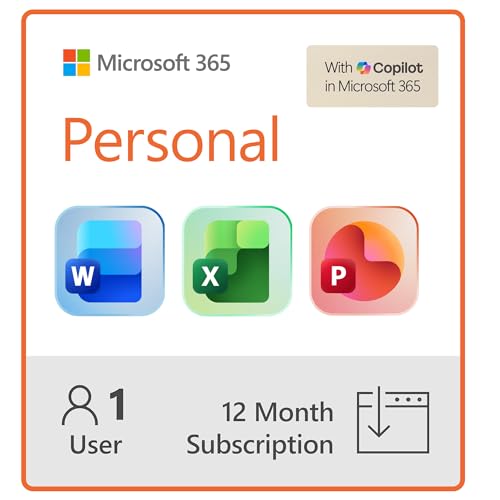
Microsoft 365 Personal | 12-Month Subscription | 1 Person | Premium Office Apps: Word, Excel, PowerPoint and more | 1TB Cloud Storage | Windows Laptop or MacBook Instant Download | Activation Required
- Device Compatibility: Works on Windows and Mac devices
- Office Apps Included: Word, Excel, PowerPoint, Outlook
- Cloud Storage: 1TB secure cloud storage
As an affiliate, we earn on qualifying purchases.
As an affiliate, we earn on qualifying purchases.