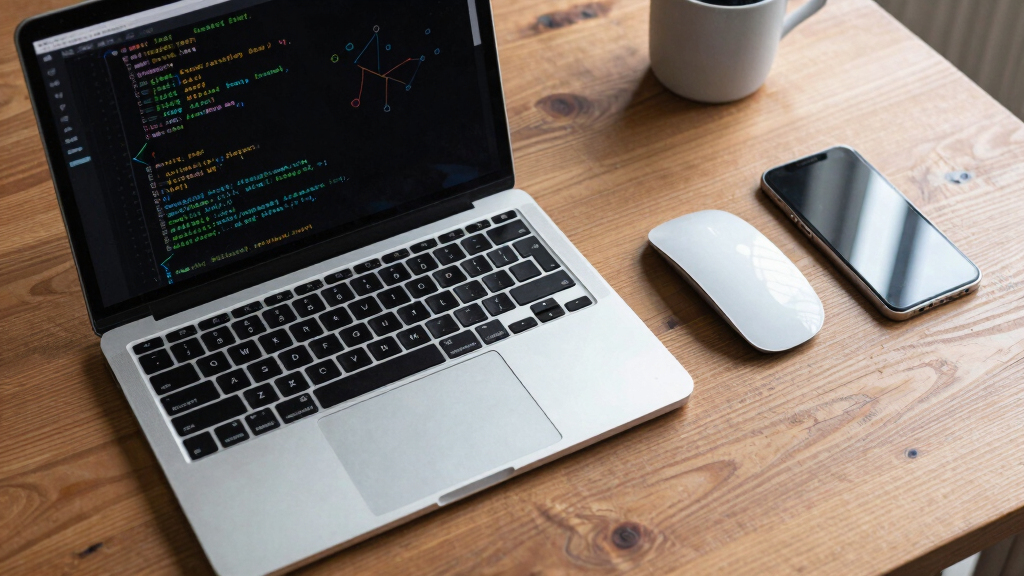

Choosing the best MacBook for machine learning involves balancing raw processing power, GPU strength, and memory capacity. The 2026 MacBook Pro with M5 Pro chip stands out for its exceptional GPU performance, ideal for intensive AI tasks. Meanwhile, the MacBook Air with M5 chip offers a compelling mix of portability and solid AI capabilities for lighter workloads. The main tradeoffs revolve around price versus power: more capable models cost significantly more but deliver faster training and inference. Keep reading for a detailed breakdown of each option to find the best match for your machine learning needs.
Key Takeaways
- The most powerful models feature M5 Pro chips with high-core GPUs, suitable for demanding AI workloads.
- Memory size, especially 24GB or more, is critical for handling large datasets and training models efficiently.
- Display size and quality vary, with larger screens offering better workspace for data visualization but at a higher price.
- Budget options like the renewed M1 MacBook Air still provide decent performance for lighter or entry-level machine learning tasks.
- Price and portability often compete; more powerful machines tend to be bulkier and more expensive.


More Details on Our Top Picks
2020 Apple MacBook Air with Apple M1 Chip 8-Core GPU (13-inch, 8GB RAM, 512GB SSD) Silver (Renewed)
This MacBook Air with the M1 chip offers impressive CPU and GPU performance improvements over older models, making it a solid choice for those new to machine learning or light ML projects. Compared with the MacBook Pro 2020, it provides comparable processing power in a more portable, budget-friendly package, but lacks the active cooling system that helps sustain peak performance during intensive workloads. The 8-core CPU, 8-core GPU, and 16-core Neural Engine translate into faster training for small models and quicker data processing, though it may struggle with larger, more complex ML models. Its battery life—up to 18 hours—outlasts many competitors, ensuring long work sessions without recharge. The unified memory architecture helps maintain fluid multitasking, but the limited 8GB RAM can bottleneck demanding tasks. Overall, this pick is ideal for students or hobbyists starting their ML journey.
Pros:- Excellent battery life with up to 18 hours of usage
- Strong CPU and GPU performance for light ML workloads
- Quiet operation with no active cooling system
Cons:- Limited to 8GB of unified memory, which can hinder performance on larger datasets
- Lacks the active cooling needed for prolonged intensive ML tasks
Best for: AI enthusiasts, students, or hobbyists focusing on small-scale machine learning projects
Not ideal for: Data scientists or developers working on large, complex models requiring extensive RAM and sustained high performance
- Processor:Apple M1 8-core
- GPU:8-core GPU
- Memory:8GB unified
- Storage:512GB SSD
- Display:13.3-inch Retina, P3 wide color
- Battery Life:Up to 18 hours
Bottom line: This MacBook Air is best suited for beginners, students, and light ML tasks, offering portability with respectable performance.
Apple 2026 MacBook Air 15-inch Laptop with M5 chip: Built for AI, 15.3-inch Liquid Retina Display, 24GB Unified Memory, 1TB SSD, 12MP Center Stage Camera, Touch ID, Wi-Fi 7; Sky Blue
This MacBook Air with the M5 chip combines a large 15.3-inch Liquid Retina display with substantial memory (24GB) and storage (1TB SSD), making it ideal for multitasking and handling larger ML datasets. Compared to the MacBook Pro M5, it sacrifices some raw GPU power but offers a more portable form factor with excellent battery life—up to 18 hours—perfect for on-the-go ML workflows. The powerful Neural Engine and next-gen GPU accelerate AI tasks, such as model training and inference, more efficiently than previous Air models. Its 12MP camera and immersive audio system enhance remote collaboration during ML model presentations or meetings. However, the absence of a dedicated GPU limits performance for very demanding models. This makes it better suited for creative professionals, researchers, or students working on mid-sized ML projects that benefit from a larger display.
Pros:- Large, vibrant 15.3-inch Liquid Retina display
- Ample 24GB unified memory for heavy multitasking
- Exceptional battery life—up to 18 hours
Cons:- Limited GPU power compared to Pro models, affecting demanding ML training
- No active cooling system, which could throttle performance under heavy loads
Best for: Creative professionals, researchers, or students working on larger ML datasets and models
Not ideal for: Power users needing ultra-fast GPU performance for complex ML or deep learning tasks
- Processor:Apple M5
- Display:15.3-inch Liquid Retina
- Memory:24GB unified
- Storage:1TB SSD
- Camera:12MP Center Stage
- Battery Life:Up to 18 hours
Bottom line: Ideal for ML practitioners and creatives needing a large, portable machine with substantial memory and good battery life but moderate GPU performance.
Apple 2026 MacBook Pro Laptop with Apple M5 Pro chip with 18-core CPU and 20-core GPU: Built for AI, 16.2-inch Liquid Retina XDR Display, 24GB Unified Memory, 1TB SSD, Wi-Fi 7; Space Black
The MacBook Pro with the M5 Pro chip stands out for its professional-grade performance, especially in intensive ML and AI workloads. Its 18-core CPU, 20-core GPU, and integrated Neural Accelerators allow faster on-device training and inference compared to the MacBook Air M5. The 16.2-inch Liquid Retina XDR display delivers stunning visuals, essential for reviewing large datasets or visualizing model outputs. With 24GB of unified memory and up to 2x faster SSD storage, it handles large models and datasets more efficiently. The suite of ports—including Thunderbolt 5, HDMI, and SDXC—supports extensive peripherals, ideal for ML researchers using external hardware. While its power is unmatched, the tradeoff involves a higher price and reduced portability. This model is perfect for ML professionals, data scientists, and deep learning engineers who need serious computing muscle.
Pros:- Massive 18-core CPU and 20-core GPU for demanding ML workloads
- Large 16.2-inch Liquid Retina XDR display for data visualization
- Extensive port selection for external hardware
Cons:- High price point limiting accessibility for casual users
- Reduced portability due to its size and weight
Best for: ML researchers, data scientists, and deep learning engineers needing top-tier processing power
Not ideal for: Casual users or hobbyists with modest ML needs or budget constraints
- Processor:Apple M5 Pro 18-core CPU
- GPU:20-core GPU
- Display:16.2-inch Liquid Retina XDR
- Memory:24GB unified
- Storage:1TB SSD
- Battery Life:All-day
Bottom line: This MacBook Pro is best suited for ML professionals and researchers requiring top performance and extensive connectivity for demanding deep learning tasks.
Apple MacBook Pro 2020 with Apple M1 Chip (13-inch, 8GB RAM, 256GB SSD Storage) Space Gray (Renewed)
This refurbished MacBook Pro 2020 with the M1 chip offers a balanced mix of performance and affordability for those beginning their ML journey. Its 8-core CPU and 8-core GPU deliver faster performance than older Intel-based models, with the Neural Engine enhancing machine learning tasks. Compared to newer models like the MacBook Air M1, it provides similar processing capabilities but with a slightly larger chassis and active cooling, which can help sustain performance during longer ML sessions. The 256GB SSD is sufficient for small datasets, but larger projects may require external storage. Its 10-year battery life is impressive, making it suitable for on-the-go ML work. However, it lacks the latest GPU improvements and newer connectivity options of the 2026 models. This makes it a good choice for entry-level users or those on a tighter budget.
Pros:- Solid performance with M1 chip and Neural Engine
- Long-lasting battery—up to 10 years of lifespan
- Quiet operation without active cooling noise
Cons:- Limited storage at 256GB, which may require external drives
- Older connectivity options compared to the latest models
Best for: ML beginners, students, or budget-conscious users exploring small-scale projects
Not ideal for: Power users working with large datasets or complex models needing higher specs
- Processor:Apple M1 8-core
- GPU:8-core GPU
- Memory:8GB unified
- Storage:256GB SSD
- Display:13.3-inch Retina
- Battery Life:Up to 10 years
Bottom line: This model is ideal for ML newcomers and students tackling small projects on a budget, offering reliable performance at a lower price.
Apple 2026 MacBook Neo 13-inch Laptop with A18 Pro chip: Built for AI and Apple Intelligence, Liquid Retina Display, 8GB Unified Memory, 256GB SSD Storage, 1080p FaceTime HD Camera; Blush
The MacBook Neo with A18 Pro chip offers a compelling blend of aesthetics, AI capabilities, and robust everyday performance. Its 13-inch Liquid Retina display with support for a billion colors makes visualizing ML results and data more engaging. Compared to the MacBook Air M5, it provides a similar core experience but emphasizes a more stylish design and color variety. The 8GB unified memory and 256GB SSD are sufficient for light ML tasks, data analysis, or prototyping, with AI acceleration thanks to the A18 Pro chip. Its 16-hour battery life supports all-day use, ideal for students or casual ML practitioners. However, it lacks the advanced GPU power of the Pro or M5 models, limiting its effectiveness with heavy ML workloads. This model fits users seeking a colorful, capable machine for basic ML and AI tasks.
Pros:- Bright, vivid Liquid Retina display
- Stylish color options including Blush
- Good battery life—up to 16 hours
Cons:- Limited GPU power for intensive ML training
- Only 8GB of RAM may bottleneck demanding tasks
Best for: Students, casual ML users, and those wanting a stylish, portable device for light AI work
Not ideal for: Researchers or professionals working on large models or complex data processing
- Processor:A18 Pro
- Display:13-inch Liquid Retina
- Memory:8GB unified
- Storage:256GB SSD
- Camera:1080p FaceTime HD
- Battery Life:Up to 16 hours
Bottom line: This MacBook Neo is suitable for casual ML users and students needing a colorful, portable device with AI features and moderate performance.
Apple 2026 MacBook Neo 13-inch Laptop with A18 Pro chip
The MacBook Neo stands out for its balanced mix of performance, portability, and AI capabilities, making it a compelling choice for users who want a capable machine without the premium price of a MacBook Pro. Compared to the MacBook Pro with M5 Pro chip, it offers a more affordable entry point while still delivering the core AI features and excellent battery life, but it sacrifices some high-end processing power and advanced display options. Its A18 Pro chip is optimized for AI tasks and everyday productivity, ensuring smooth multitasking and AI-driven workflows. The Liquid Retina display provides vibrant visuals, though it’s not quite as bright or color-accurate as the Pro’s XDR screen, which may matter to creative professionals. The build quality is solid, with a sleek aluminum chassis and a large, responsive trackpad, but the lower RAM ceiling (16GB max) could limit future-proofing for intensive tasks. This model makes the most sense for students and casual professionals who prioritize AI features, battery life, and affordability.
Pros:- Affordable price point with strong AI capabilities
- Long battery life of up to 16 hours
- Vivid Liquid Retina display in four vibrant colors
- Seamless integration with Apple ecosystem
Cons:- Limited maximum RAM of 16GB, which may be restrictive for intensive multitasking
- Lower-end GPU performance compared to higher-tier MacBooks
- Display brightness and color accuracy not on par with Pro models
Best for: Students and casual users seeking AI-enabled multitasking in a lightweight, colorful package
Not ideal for: Power users or creative professionals needing maximum processing power and display precision
- Processor:A18 Pro chip
- Display:13-inch Liquid Retina, 2408 x 1506, 500 nits
- Memory:8GB unified memory (upgradable to 16GB)
- Storage:256GB SSD
- Battery Life:Up to 16 hours
- Camera:1080p FaceTime HD
- Weight:2.71 pounds
- Material:Aluminum chassis
Bottom line: This MacBook Neo is ideal for students and everyday users who want AI features and portability at a reasonable price.
Apple 2026 MacBook Pro Laptop with Apple M5 Pro chip with 15-core CPU and 16-core GPU
The MacBook Pro with M5 Pro chip excels for demanding AI workloads and creative tasks, offering a larger, stunning Liquid Retina XDR display and a robust set of ports that support professional workflows. In comparison to the MacBook Neo, it provides a significantly more powerful GPU and up to 2x faster SSD storage, making it a clear choice for AI developers, video editors, and 3D artists who need raw processing muscle. The M5 Pro chip features a 15-core CPU and 16-core GPU with a Neural Accelerator, promising faster on-device AI inference and training, but it comes at a higher price and weight (3.52 pounds). Its Pro display offers inky blacks, high contrast, and HDR performance suitable for color-critical work. The machine’s comprehensive port selection—including HDMI, SDXC, and multiple Thunderbolt 5 ports—further supports professional workflows but increases size and weight compared to the Neo. This pick makes the most sense for professionals working with large datasets, video editing, or intensive AI training, where power and display accuracy are paramount.
Pros:- Exceptional processing and GPU power for demanding AI and creative tasks
- Large, vibrant Liquid Retina XDR display with HDR support
- Extensive port options for professional peripherals
- Up to 2x faster SSD storage for quick data access
Cons:- Higher price point and weight make it less portable
- Overkill for simple tasks or casual use
- Battery life slightly lower than ultra-portable models due to hardware demands
Best for: AI researchers, video editors, and creative professionals needing maximum power and display quality
Not ideal for: Casual users or students who prioritize portability and lower cost over raw performance
- Processor:Apple M5 Pro chip, 15-core CPU, 16-core GPU
- Display:14.2-inch Liquid Retina XDR, 1600 nits peak brightness
- Memory:24GB unified memory
- Storage:1TB SSD
- Battery Life:Up to 10 hours
- Camera:12MP Center Stage
- Ports:Three Thunderbolt 5, HDMI, SDXC, headphone jack
- Weight:3.52 pounds
Bottom line: This MacBook Pro is best suited for professionals who require top-tier AI performance, a stunning display, and expandability for complex workflows.
How We Picked
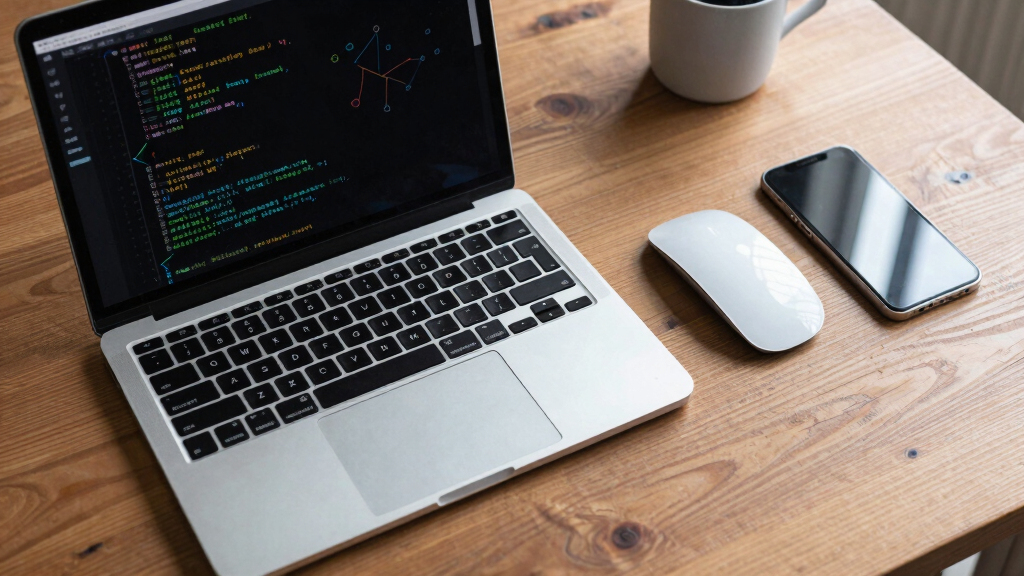
These MacBooks were evaluated based on their processing power, GPU capabilities, memory capacity, and suitability for machine learning workflows. We prioritized models with the latest chips, as they offer the best balance of performance and efficiency. Portability, display quality, and price were also key considerations, ensuring options for different types of users—from students to professional AI developers. The ranking reflects a mix of raw power, value, and real-world usability in machine learning tasks, favoring models that can handle intensive workloads without excessive compromises.Factors to Consider When Choosing Best Macbook For Machine Learning
When selecting a MacBook for machine learning, it’s important to consider several critical factors beyond just the specs. Your choice should align with your workload intensity, portability needs, and budget. Understanding these broader considerations can help you avoid common mistakes, like overpaying for features you don’t need or choosing underpowered models that slow down your development process.Processing Power and GPU
Machine learning tasks benefit greatly from high-performance CPUs and powerful GPUs. The M5 Pro chip with 18-core CPU and 20-core GPU offers top-tier processing for training large models, while the M1 or A18 chips are better suited for lighter tasks. Matching your workload size with the chip’s capabilities helps prevent bottlenecks and reduces training times.
Memory Capacity
Memory plays a pivotal role in machine learning, especially when handling large datasets or complex models. Models with 24GB of unified memory, like the MacBook Pro with M5 Pro, enable smoother workflows. Opting for less memory might save money but can lead to slower processing and frequent swapping, hampering productivity.
Display and Portability
A larger, high-quality display like the 16.2-inch Liquid Retina XDR makes data visualization and model debugging easier, but it can increase weight and cost. Smaller models, like the 13-inch options, offer portability but might limit workspace. Consider your typical work environment when choosing size and display quality.
Price and Future-Proofing
Investing in a more powerful MacBook may seem costly initially but can save money in the long run by handling future workloads without upgrades. Cheaper, entry-level options are suitable for beginners or light workloads but may require an upgrade sooner. Balance your current needs with potential future demands.
Battery Life and Maintenance
Extended battery life is beneficial for working on the go, especially during long training sessions or data collection. Newer chips tend to be more efficient, but high-performance models may consume more power under load. Regular maintenance, like software updates and proper cooling, also prolongs device lifespan.
Frequently Asked Questions
Can I run complex machine learning models on a MacBook Air?
The MacBook Air with the M1 or M5 chip can handle lighter machine learning tasks effectively, such as training small models or running inference. However, for large-scale training or deep learning projects, a more powerful machine like the MacBook Pro with a high-core GPU is recommended. The Air’s portability makes it suitable for on-the-go work, but it may slow down with very demanding workloads.
Is 16GB of RAM enough for machine learning on a MacBook?
While 16GB of RAM can suffice for small to medium machine learning projects, larger datasets and complex models benefit from 24GB or more. Insufficient memory causes frequent swapping, which slows down training and inference times. If your budget allows, opting for higher RAM capacity ensures smoother performance, especially as your projects grow in size.
Should I prioritize display size or portability for AI work?
This depends on your typical working environment. A larger display, like the 16-inch MacBook Pro, enhances data visualization and multitasking but adds weight and reduces portability. Smaller models are easier to carry but might limit workspace. Consider whether your work involves frequent movement or stationary tasks when choosing size.
How future-proof are the M1 and M5 chips for machine learning?
The M1 and M5 chips incorporate significant improvements in processing and GPU performance over previous Intel models. The M5 series, in particular, offers more cores and higher efficiency, making it better suited for future, more demanding AI workloads. However, as machine learning technology advances rapidly, staying updated with the latest hardware is always advisable for long-term usability.
Is it worth paying extra for a 15-inch or 16-inch MacBook Pro for machine learning?
Investing in a larger MacBook Pro offers a bigger, higher-quality display and more powerful GPU options, which can accelerate training times and improve workflow. The extra cost may be justified if you run large models regularly or need a better visual workspace. For lighter or occasional use, a smaller or less expensive model could be more practical without sacrificing essential performance.
Conclusion
For users seeking the best overall power, the MacBook Pro with M5 Pro chip stands out, especially for demanding AI workloads. Beginners or those on a budget will find the 2020 M1 MacBook Air still capable of light machine learning tasks. Professionals who prioritize portability combined with high performance should consider the MacBook Pro 2026 with M5 chip. For those who want a balance of display size and price, the 15-inch MacBook offers a compelling middle ground. Ultimately, your choice depends on your specific workload, budget, and mobility needs—match your priorities with the right model to maximize your machine learning productivity.