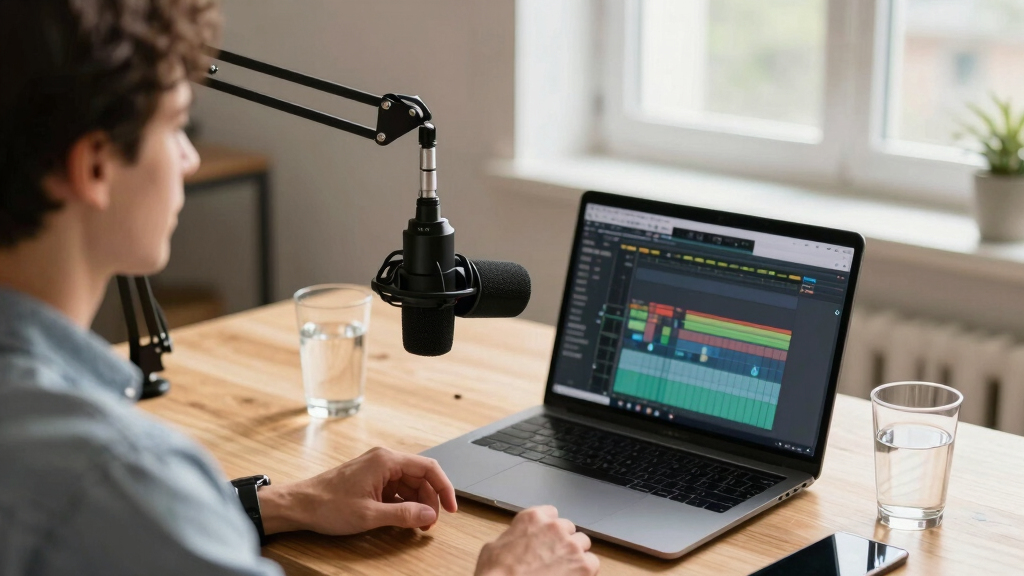

For business creators looking to produce professional-quality audio, choosing the right XLR microphone is essential. The Shure SM58-LC stands out as the best overall, offering durability and versatile sound. The FIFINE AmpliTank K688CT provides excellent value with its multi-purpose setup, while the Shure MV7+ balances USB convenience with XLR quality for hybrid workflows. However, tradeoffs include balancing budget with audio clarity, ease of setup, and portability. Continue reading for a detailed breakdown of each option to find the best fit for your specific needs.

Get business pricing on tech for your team
- Business-only prices and quantity discounts
- Tax-exempt purchasing
- Multiple users, one account, clear invoices
Complete the kit



Key Takeaways
- The top microphones combine durability with sound clarity, making them suitable for frequent use and professional environments.
- Hybrid models offering both USB and XLR connectivity provide flexibility but may come at a higher price point.
- Entry-level options tend to sacrifice some audio finesse but are better suited for beginners or casual creators.
- Build quality and cable length vary significantly, impacting setup ease and mobility during recordings.
- Most premium options include advanced features like built-in EQ or multiple polar patterns, but these add to the cost.
| Shure SM58-LC Cardioid Dynamic Vocal Microphone |  | Best Overall for Versatile Business Creators | Connectivity: XLR | Microphone type: Dynamic | Polar pattern: Cardioid (unidirectional) | VIEW LATEST PRICE | See Our Full Breakdown |
| FIFINE AmpliTank K688CT USB/XLR Dynamic Podcast Microphone Kit | 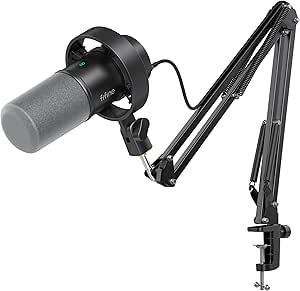 | Best for Hybrid Setup and Flexibility | Connectivity: USB, XLR | Microphone type: Dynamic | Polar pattern: Cardioid | VIEW LATEST PRICE | See Our Full Breakdown |
| Pyle PDMIC58 Dynamic Cardioid Handheld Microphone with 15-Foot XLR Cable |  | Best Budget Wired Microphone for Business Creators | Microphone type: Dynamic, moving-coil | Polar pattern: Unidirectional cardioid | Frequency response: 50 Hz–15 kHz | VIEW LATEST PRICE | See Our Full Breakdown |
| Shure MV7+ USB-C and XLR Podcast Dynamic Microphone, Black |  | Best for Advanced Podcasters and Voice Creators | Connectivity: USB-C, XLR | Polar pattern: Unidirectional | Frequency range: 50 Hz–16 kHz | VIEW LATEST PRICE | See Our Full Breakdown |
| TONOR TD510 Air Dynamic Podcast Microphone with USB and XLR |  | Best for Multi-Device Use with Noise Reduction | Connectivity: USB, XLR | Audio modes: Bass Roll-off, Vocal Clarity, Mid-Range Emphasis | Noise reduction: AI-based | VIEW LATEST PRICE | See Our Full Breakdown |
| MAONO PD200W Hybrid Wireless Dynamic Podcast Microphone |  | Best Wireless Microphone for Business Creators | Connectivity: Wireless, USB, XLR | Microphone Type: Dynamic | Pickup Pattern: Unidirectional (cardioid) | VIEW LATEST PRICE | See Our Full Breakdown |
| FIFINE AmpliGame AM8 USB/XLR Dynamic Microphone |  | Best Dual-Mode Microphone for Versatile Creators | Connectivity: USB, XLR | Microphone type: Dynamic | Polar pattern: Unidirectional cardioid | VIEW LATEST PRICE | See Our Full Breakdown |
| NEWER NW-040 Cardioid Dynamic Microphone with XLR Cable |  | Best Budget XLR Microphone for Business Creators | Microphone type: Dynamic | Polar pattern: Unidirectional cardioid | Connector: XLR | VIEW LATEST PRICE | See Our Full Breakdown |
| XLR microphones for business creator | Connectivity | Microphone type | Polar pattern | Signal-to-noise ratio |
|---|---|---|---|---|
| Shure SM58-LC Cardioid Dynamic | XLR | Dynamic | Cardioid (unidirectional) | 78 dB |
| FIFINE AmpliTank K688CT USB/XL | USB, XLR | Dynamic | Cardioid | — |
| Pyle PDMIC58 Dynamic Cardioid | — | Dynamic, moving-coil | Unidirectional cardioid | — |
| Shure MV7+ USB-C and XLR Podca | USB-C, XLR | — | Unidirectional | 60 dB |
| TONOR TD510 Air Dynamic Podcas | USB, XLR | — | — | — |
| MAONO PD200W Hybrid Wireless D | Wireless, USB, XLR | Dynamic | — | 82 dB |
| FIFINE AmpliGame AM8 USB/XLR D | USB, XLR | Dynamic | Unidirectional cardioid | 80 dB |
| NEWER NW-040 Cardioid Dynamic | — | Dynamic | Unidirectional cardioid | — |
More Details on Our Top Picks
Shure SM58-LC Cardioid Dynamic Vocal Microphone
The Shure SM58-LC stands out as the most adaptable option, suitable for a range of settings from live events to professional streaming. Its cardioid pattern excels at minimizing background noise, making it ideal for noisy environments where clarity is critical. Compared to the Shure MV7+, it offers a more rugged build and dependable performance but lacks integrated features like auto-leveling or digital controls. The SM58’s built-in pop filter reduces plosives effectively, and its durable metal construction ensures longevity under demanding use. The primary tradeoff is that it requires an external audio interface, which might be a barrier for those seeking a plug-and-play solution. Overall, this microphone is best for creators who prioritize reliability and sound quality in diverse or challenging environments.
Pros:- Excellent vocal clarity with midrange boost for spoken content
- Reduces background noise and feedback effectively
- Built-in pop filter cuts plosives and wind noise
- Rugged metal construction for demanding environments
Cons:- Requires an external XLR audio interface or mixer
- Less convenient for quick, portable setups
Best for: Business creators who need a durable, high-quality microphone for live streams, podcasts, or broadcast work in challenging acoustics.
Not ideal for: Those seeking a simple, all-in-one recording setup or minimal equipment, as it requires an external XLR interface.
- Connectivity:XLR
- Microphone type:Dynamic
- Polar pattern:Cardioid (unidirectional)
- Frequency response:50 Hz–15 kHz
- Signal-to-noise ratio:78 dB
- Construction:Metal
Our verdict“This mic is ideal for business creators who value rugged reliability and professional sound, despite needing additional gear.”
FIFINE AmpliTank K688CT USB/XLR Dynamic Podcast Microphone Kit
The FIFINE AmpliTank K688CT offers a compelling mix of convenience and versatility, supporting both USB and XLR connections. Its cardioid pattern helps focus on your voice while suppressing ambient noise, similar to the TONOR TD510 Air, but with the added benefit of hybrid connectivity. While the included accessories—boom arm, shock mount, and windscreen—make it easy to set up, the controls are only accessible in USB mode, which limits flexibility when using XLR. This makes it less suitable for users who need real-time gain adjustments during live sessions when connected via XLR. The device is well-suited for creators who want a portable, multi-purpose microphone that can adapt to different recording environments, yet it sacrifices some control when using XLR without additional gear.
Pros:- Supports both USB and XLR for versatile use
- Includes comprehensive accessories for immediate setup
- Cardioid pattern reduces ambient noise
- High-quality build with metal enclosure
Cons:- Limited controls when using XLR connection
- Desk clamp fits only desks under 2 inches thick
Best for: Business creators who need a flexible microphone for both portable and studio use, especially those who switch between USB streaming and professional XLR audio.
Not ideal for: Users who require advanced real-time control and monitoring during XLR recording, as controls are limited in that mode.
- Connectivity:USB, XLR
- Microphone type:Dynamic
- Polar pattern:Cardioid
- Frequency range:50 Hz–16 kHz
- Maximum SPL:130 dB
- Included accessories:Boom arm, shock mount, windscreen
Our verdict“This microphone suits creators seeking flexible connectivity options with a ready-to-go kit, despite some control limitations in XLR mode.”
Pyle PDMIC58 Dynamic Cardioid Handheld Microphone with 15-Foot XLR Cable
The Pyle PDMIC58 is an affordable, wired option that delivers decent sound quality for business creators on a budget. Its cardioid pattern effectively minimizes background noise, making it comparable to the Shure SM58-LC in terms of sound focus, but it lacks the same level of durability and refined sound profile. The zinc alloy body offers solid protection, yet its overall build feels less premium than higher-end models. The inclusion of a 15-foot XLR cable adds convenience, but the wired connection limits mobility, especially for creators needing flexibility. The absence of an on/off switch means users must unplug for mute, which can be inconvenient during live sessions. This model makes sense for those who prioritize affordability and basic performance over advanced features.
Pros:- Affordable price point for basic professional sound
- Rugged zinc alloy body for durability
- Includes a long XLR cable for flexible placement
- Effective cardioid pattern reduces background noise
Cons:- Wired connection limits mobility
- No on/off switch for easy muting
Best for: Small business creators needing a reliable, straightforward microphone for stationary use in studio or stage environments.
Not ideal for: Mobile or multi-location creators who require wireless or more portable options, as it’s tethered via cable.
- Microphone type:Dynamic, moving-coil
- Polar pattern:Unidirectional cardioid
- Frequency response:50 Hz–15 kHz
- Impedance:600 ohms
- Cable length:15 feet
- Body material:Zinc alloy
Our verdict“This mic offers a solid, budget-friendly choice for stationary business setups where mobility isn’t a priority.”
Shure MV7+ USB-C and XLR Podcast Dynamic Microphone, Black
The Shure MV7+ is tailored for creators who want professional-grade audio with flexible connectivity. Its USB-C and XLR outputs make it suitable for both simple desktop setups and more advanced studio configurations. The auto level mode automatically adjusts gain, providing consistent sound quality, unlike traditional microphones that require manual tweaking. Its voice isolation and real-time denoising effectively cut background noise, making it perfect for noisy environments or home offices. The addition of reverb effects gives creative flexibility, but these features might be unnecessary for straightforward voice recordings. Compared to the TONOR TD510 Air, the MV7+ offers more sophisticated control options, though at the cost of increased complexity and higher price. This model is best for serious creators who demand professional sound and versatile setup options.
Pros:- Supports both USB-C and XLR for maximum flexibility
- Auto level mode ensures consistent volume
- Effective voice isolation and denoising
- Includes customizable reverb effects
Cons:- Requires connection to a power source and corded setup
- Features like reverb and touch controls aren’t necessary for all users
Best for: Business podcasters, streamers, and voiceover artists seeking a high-quality, feature-rich microphone with flexible connectivity.
Not ideal for: Casual users or those who prefer simple, plug-and-play microphones without extra features or controls.
- Connectivity:USB-C, XLR
- Polar pattern:Unidirectional
- Frequency range:50 Hz–16 kHz
- Signal-to-noise ratio:60 dB
- Special features:Auto level, denoising, reverb
- Enclosure material:Metal
Our verdict“This mic is ideal for serious content creators who want flexible connectivity and advanced audio controls in a professional package.”
TONOR TD510 Air Dynamic Podcast Microphone with USB and XLR
The TONOR TD510 Air offers a versatile solution for creators working across different devices, thanks to its USB and XLR support. Its three audio modes—Bass Roll-off, Vocal Clarity, and Mid-Range Emphasis—allow tailored sound profiles, and AI noise reduction enhances clarity, particularly in less controlled environments. Unlike the FIFINE AmpliTank K688CT, it emphasizes noise suppression through AI, making it well-suited for busy or echo-prone spaces. While it includes monitoring controls and a desktop stand, the absence of XLR cables means additional purchases are necessary for professional use. It’s a compelling choice for creators who need adaptability across platforms but don’t want to compromise too much on noise management or sound quality.
Pros:- Supports both USB and XLR for flexible setups
- Three audio enhancement modes for tailored sound
- AI noise reduction improves clarity in noisy settings
- Includes headphone monitoring and volume controls
Cons:- XLR cables are not included, adding extra cost
- Not compatible with Xbox or wireless setups
Best for: Business creators who record on multiple devices and need noise reduction features for clearer communication in varied environments.
Not ideal for: Users who prefer a dedicated, high-end studio microphone or require wireless options, as this is primarily a wired solution with added complexity.
- Connectivity:USB, XLR
- Audio modes:Bass Roll-off, Vocal Clarity, Mid-Range Emphasis
- Noise reduction:AI-based
- Headphone monitoring:3.5 mm jack
- Supported devices:Laptop, PC, PS4, PS5
- Weight:522 g
Our verdict“This microphone fits creators who need multi-device compatibility with effective noise reduction, though it requires additional accessories for professional XLR use.”
MAONO PD200W Hybrid Wireless Dynamic Podcast Microphone
The MAONO PD200W stands out for its versatile connectivity options—wireless, USB, and XLR—making it highly adaptable for creators who need flexibility in their setup. Unlike the NEWER NW-040, which is primarily a wired handheld, this microphone’s wireless capability allows for greater mobility during live sessions or recordings. Its three-stage noise cancellation and app-based controls help ensure clear audio quality, a crucial factor for professional presentations. The notable tradeoff involves its wireless battery life, which depends on RGB lighting being off—something that might be inconvenient for those who want constant visual effects. Additionally, accessories like camera and lighting are sold separately, which could increase total costs. Overall, this model suits creators who value mobility and multiple connection options but are okay with some additional setup complexity.
Pros:- Offers seamless wireless, USB, and XLR connection options for maximum versatility
- Supports two wireless mics simultaneously with one receiver, ideal for interviews or panel discussions
- Includes advanced noise cancellation and customizable sound controls for professional audio quality
- Up to 60 hours of battery life with RGB lighting off, reducing downtime
Cons:- Camera and lighting accessories are sold separately, adding to the overall cost
- Wireless battery life is reduced when RGB lighting is enabled, potentially limiting visual effects during prolonged use
Best for: Business creators who prioritize wireless flexibility and multi-mode connectivity in their podcasting or streaming setups.
Not ideal for: Creators who prefer plug-and-play simplicity or primarily work in fixed studio environments, where wireless features are less critical.
- Connectivity:Wireless, USB, XLR
- Microphone Type:Dynamic
- Pickup Pattern:Unidirectional (cardioid)
- Signal-to-Noise Ratio:82 dB
- Maximum SPL:128 dB
- Wireless Range:Up to 60 m
Our verdict“This pick is best for creators who need a flexible, wireless microphone with multiple connection modes and are comfortable managing some additional setup and accessory costs.”
FIFINE AmpliGame AM8 USB/XLR Dynamic Microphone
The FIFINE AmpliGame AM8 offers a compelling balance between USB convenience and professional XLR connectivity, making it suitable for creators transitioning between casual streaming and more serious production. Compared to the NEWER NW-040, which is purely a wired handheld, the AM8’s USB mode introduces features like tap-to-mute, headphone monitoring, and RGB lighting—beneficial for live streamers seeking instant control. However, in XLR mode, those features are disabled, similar to the NEWER NW-040, which limits functionality for more complex setups. The USB interface’s controls are user-friendly, but the absence of an included XLR cable can be a hassle for some. This model suits creators who want a multi-purpose mic that can adapt from gaming to podcasting, though it demands some compromises in features when switching modes.
Pros:- Dual USB and XLR connectivity for flexible use in different environments
- USB mode features tap-to-mute, headphone monitoring, and RGB lighting for real-time control
- Built-in gain and volume controls simplify adjustments during recordings or streams
- Includes mount threads compatible with standard stands and booms
Cons:- XLR cable must be purchased separately, adding to setup costs
- RGB lighting and advanced controls are unavailable in XLR mode, limiting functionality in professional contexts
Best for: Streamers and content creators who need a versatile microphone compatible with both USB and XLR setups, especially those starting out or moving towards professional audio.
Not ideal for: Professionals who require consistent advanced features in both connection modes or who already own XLR cables, as the included accessories are limited.
- Connectivity:USB, XLR
- Microphone type:Dynamic
- Polar pattern:Unidirectional cardioid
- Frequency response:50 Hz–16 kHz
- Signal-to-noise ratio:80 dB
- Features:Tap-to-mute, headphone monitoring, gain control, RGB lighting (USB only)
Our verdict“This microphone is ideal for creators who want an adaptable, user-friendly device that bridges casual streaming and semi-professional recording, despite some mode-based feature limitations.”
NEWER NW-040 Cardioid Dynamic Microphone with XLR Cable
The NEWER NW-040 provides a straightforward, reliable solution for creators who mainly work with XLR equipment. Its unidirectional cardioid pattern effectively reduces background noise, making it suitable for vocal clarity in busy environments. Compared to the FIFINE AM8, which offers USB flexibility, the NW-040’s simplicity appeals to those who prefer a dedicated XLR setup without extra features that could complicate operation. Its rugged metal housing ensures durability, especially for on-the-go use. A notable drawback is the conflicting information about power requirements, which could cause confusion during setup. Also, it requires a compatible XLR interface or mixer, which adds to initial costs. This mic makes sense for creators prioritizing straightforward, dependable audio without unnecessary bells and whistles.
Pros:- Reduces background noise with a focused cardioid pickup pattern
- Metal housing offers resistance to rust and physical damage
- Includes an XLR cable, simplifying initial setup
- Suitable for vocals, streaming, and public speaking in various settings
Cons:- Requires compatible XLR interface or mixer, which may increase overall setup costs
- Conflicting info on power needs could cause confusion during installation
Best for: Business creators who primarily use XLR equipment and need a durable, noise-reducing microphone for professional or live applications.
Not ideal for: Creators seeking plug-and-play convenience or working in environments where USB or wireless options are preferred, as this mic strictly relies on XLR connections.
- Microphone type:Dynamic
- Polar pattern:Unidirectional cardioid
- Connector:XLR
- Impedance:600 ohm
- Frequency range:20 Hz–20 kHz
- Included accessories:XLR male-to-female cable
Our verdict“This model is best suited for users who value durability and straightforward XLR connectivity over advanced features or wireless flexibility.”

How We Picked
These products were evaluated based on their audio performance, build quality, ease of setup, versatility, and value for business creators. We prioritized microphones that deliver clear, professional sound suitable for podcasts, meetings, and content creation, while also considering user-friendliness. The ranking reflects a balance between price and features, aiming to recommend options for different budgets and use cases. We also assessed the durability of each microphone and its compatibility with typical business environments to ensure long-term reliability.| XLR microphones for business creator | Connectivity | Microphone type | Polar pattern |
|---|---|---|---|
| Shure SM58-LC Cardioid Dynamic | XLR | Dynamic | Cardioid (unidirectional) |
| FIFINE AmpliTank K688CT USB/XL | USB, XLR | Dynamic | Cardioid |
| Pyle PDMIC58 Dynamic Cardioid | — | Dynamic, moving-coil | Unidirectional cardioid |
| Shure MV7+ USB-C and XLR Podca | USB-C, XLR | — | Unidirectional |
| TONOR TD510 Air Dynamic Podcas | USB, XLR | — | — |
| MAONO PD200W Hybrid Wireless D | Wireless, USB, XLR | Dynamic | — |
| FIFINE AmpliGame AM8 USB/XLR D | USB, XLR | Dynamic | Unidirectional cardioid |
| NEWER NW-040 Cardioid Dynamic | — | Dynamic | Unidirectional cardioid |
Factors to Consider When Choosing Best XLR Microphones For Business Creators
Choosing the best XLR microphone for business creators involves several key considerations. While sound quality is paramount, factors like connectivity options, durability, and ease of use significantly impact your overall experience. Understanding your specific needs and environment can help you avoid common pitfalls and make a more informed purchase that aligns with your workflow and budget.Sound Quality and Polar Patterns
Clear, professional audio is the main goal, so prioritize microphones with cardioid or hypercardioid patterns that focus on your voice and reduce background noise. Higher-end models often include multiple polar patterns, giving you flexibility for different recording scenarios. Remember, a microphone with good sound quality can often justify a higher price, especially if you need broadcast-level audio for client calls or online presentations.
Build Quality and Durability
Business environments demand microphones that can withstand frequent handling and transport. Look for models with robust casings and high-quality materials. Cheaper models might feel flimsy or break easily, leading to additional replacement costs. Cable length and connector quality are also critical, as longer cables can increase flexibility but may introduce noise if not well-shielded.
Connectivity and Compatibility
While XLR is standard for professional setups, some microphones offer hybrid USB/XLR options, which are ideal for creators who want versatility. Ensure your audio interface or mixer supports the microphone’s connections and that your setup matches your workflow. Avoid models that require complex adjustments or lack compatibility with your existing equipment to prevent frustration during setup and use.
Ease of Use and Setup
Simplicity matters, especially if you’re not technically inclined. Microphones with straightforward mounting, minimal calibration needs, and clear instructions save time. Some models include features like built-in shock mounts or pop filters, which can improve sound quality without additional accessories. Beware of overly complex setups that might hinder quick deployment during meetings or recordings.
Value and Price Tradeoffs
Higher-priced microphones often include premium features and better durability, but for many business creators, mid-range options deliver excellent value. Be cautious of models that cut corners on essential features like cable quality or polar pattern options. Conversely, investing in a slightly more expensive microphone can pay off through improved sound and longer lifespan, especially if used daily.
Frequently Asked Questions
Can I use a dynamic XLR microphone for professional podcasting?
Yes, many dynamic XLR microphones are suitable for podcasting, especially in noisy environments. They tend to reject background noise well, making them ideal for home or office settings where ambient sounds are unavoidable. However, ensure the microphone’s frequency response aligns with your voice and recording style, and consider additional accessories like pop filters for the best results.
Is it worth investing in a microphone with multiple polar patterns?
Microphones with multiple polar patterns offer greater versatility, allowing you to adapt to different recording scenarios such as solo podcasts, interviews, or group calls. For business creators who record in various environments or need flexibility, this feature can be a valuable investment. However, for straightforward use, a cardioid model might suffice and save costs.
Do I need a high-end microphone if I only do occasional recordings?
Not necessarily. For infrequent use, mid-range or even entry-level microphones can deliver satisfactory results. Focus on models that offer decent sound quality and durability without paying for advanced features you won’t utilize regularly. This approach balances cost and performance, ensuring you get good value for occasional use.
What additional accessories should I consider when buying a professional XLR microphone?
Investing in a quality boom arm, pop filter, shock mount, and XLR cables can significantly enhance your recording experience. These accessories reduce handling noise, plosive sounds, and unwanted vibrations. Proper accessories not only improve sound quality but also extend the lifespan of your microphone by preventing damage during setup or transport.
How important is cable length when choosing an XLR microphone?
Cable length impacts your setup flexibility; longer cables give you more freedom to position your microphone, but they can also introduce noise if not well-shielded. For most business creators, a cable between 10 to 20 feet balances convenience and signal integrity. Avoid excessively long cables unless necessary, as they can cause signal degradation and clutter your workspace.
Conclusion
For business creators prioritizing overall reliability and sound quality, the Shure SM58-LC makes an excellent choice as the best overall microphone. If you’re looking for the best value without sacrificing too much quality, the FIFINE AmpliTank K688CT is hard to beat. For those who want a premium, feature-rich experience, the Shure MV7+ offers advanced features and flexibility. Beginners or casual users should consider more straightforward, budget-friendly options like the Pyle PDMIC58, while professionals needing adaptability might opt for models with multiple polar patterns. Ultimately, your choice depends on your budget, environment, and specific recording needs.
Evergreen bestsellers Picks

Ninja Prestige Smart XL 10-in-1 Air Fryer and Countertop Oven with Pro Cook System, Stainless Steel, DT551

Apple AirPods Pro

Vitamix 5-Speed Immersion Blender, 625-Watt, Stainless Steel/Black
As an affiliate, we earn on qualifying purchases.