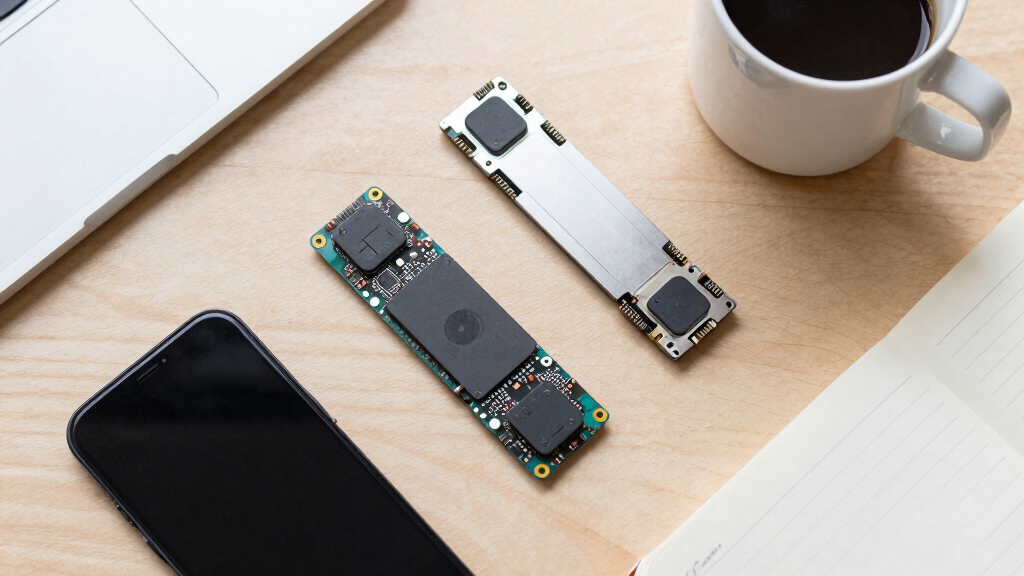

TL;DR
Eclipse Ventures’ successful exit from Cerebras, generating $2.5 billion, underscores a growing investor interest in physical-world tech sectors like semiconductors and robotics. The firm sees this as just the beginning of a broader trend.
Eclipse Ventures has realized a $2.5 billion return from its investment in semiconductor company Cerebras Systems following its recent IPO, marking a significant milestone in the firm’s focus on physical-world technology.

Get business pricing on tech for your team
- Business-only prices and quantity discounts
- Tax-exempt purchasing
- Multiple users, one account, clear invoices
Founded in 2015, Eclipse Ventures invested a total of $147 million in Cerebras over several years. The company’s IPO priced shares at $185, leading to a 17-fold return for Eclipse, which was an early investor since 2016. This marks one of the most successful exits in the firm’s history and highlights its long-standing belief in the potential of hardware and physical tech sectors.
CEO Lior Susan explained that this success is just the start of a broader strategy emphasizing the importance of industries tied to the physical world, such as semiconductors, robotics, energy, and defense. Eclipse’s portfolio companies in these sectors raised nearly $15 billion last year, with a notable surge in late-stage funding in early 2026.
Why It Matters
This development underscores a shift in investor confidence toward physical-world technology sectors, which are increasingly seen as vital to economic growth and innovation. The success of Cerebras and the rising valuations of related companies indicate that hardware, semiconductors, and robotics are gaining prominence, potentially reshaping venture investment priorities and market dynamics.
Products Worth Considering

Bose QuietComfort Ultra Earbuds (2nd Gen), Wireless Noise-Cancelling Earbuds, Black

Logitech MX Mechanical Wireless Illuminated Keyboard, Tactile Quiet, Graphite

Samsung Galaxy Tab A11+ Tablet, 6GB RAM, 128GB Storage, Expandable Storage, Gray
As an affiliate, we earn on qualifying purchases.
Background
Since its founding, Eclipse Ventures has focused on digitizing the physical world, a thesis that initially faced skepticism in Silicon Valley. The firm’s early investments, including Cerebras, have now proven highly lucrative, coinciding with a broader industry trend where public markets and startups are recognizing the strategic importance of hardware and physical infrastructure. Recent market movements, such as all-time highs for TSMC and Micron, reflect this renewed focus.
Earlier in its history, Eclipse’s portfolio was modest, raising less than $4 billion in total. The recent influx of late-stage funding and high-profile IPOs signals a turning point, driven by technological advances, increased capital availability, and favorable policy environments, especially in the U.S.
“This is just the beginning. The physical world is where the real value lies, and we’re excited to see more entrepreneurs and investors recognize that.”
— Lior Susan, CEO of Eclipse Ventures
“Eclipse’s $2.5 billion return from Cerebras highlights a broader industry shift toward hardware and physical infrastructure, marking a significant milestone for the firm and the sector.”
— Marina Temkin, TechCrunch reporter
What Remains Unclear
It remains unclear how sustained this momentum will be across all physical-world sectors, or whether similar valuations and returns will be achieved by other companies in the near term. The long-term impact of this shift is still developing, and market conditions could change.
What’s Next
Eclipse plans to continue investing in and supporting startups at the intersection of hardware, AI, and physical infrastructure. The firm is expected to announce further funding rounds and IPOs in these sectors over the coming months, with a focus on scaling innovative technologies.
Key Questions
Why is Eclipse’s investment in Cerebras considered a milestone?
The $2.5 billion return from Cerebras marks one of the most successful exits for Eclipse and signals a broader shift in investor focus toward physical-world technology sectors like semiconductors and robotics.
What does this success mean for the future of hardware startups?
It indicates increased investor confidence and valuation potential in hardware and infrastructure companies, potentially leading to more funding and innovation in these sectors.
Are other venture firms also shifting toward physical-world tech?
Yes, many are recognizing the strategic importance of sectors like semiconductors, robotics, and energy, especially given recent market trends and policy incentives.
What are the main drivers behind this industry shift?
Key factors include technological advances, abundant capital, rising customer demand, talent availability, and supportive government policies and subsidies.