
TL;DR

Get business pricing on tech for your team
- Business-only prices and quantity discounts
- Tax-exempt purchasing
- Multiple users, one account, clear invoices
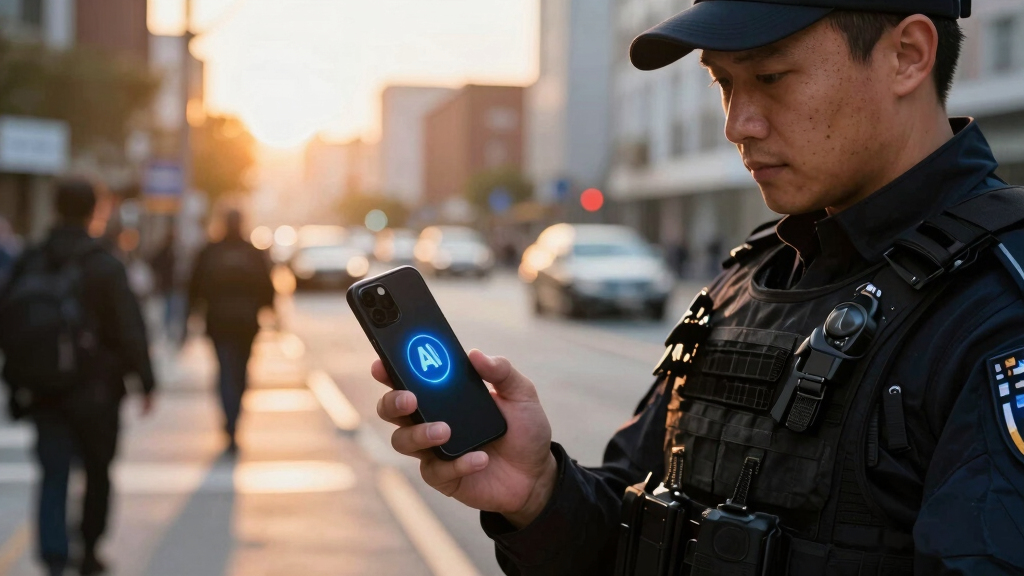
US federal agencies have issued warnings about a new category of domestic extremism targeting technology and AI. Reports reveal plans to monitor and potentially criminalize anti-tech activities amid rising protests and violence linked to AI fears. The development signals an expansion of domestic surveillance focused on technology-related threats.
US federal law enforcement and intelligence agencies have issued warnings about a new category of domestic extremism labeled ‘anti-tech violent extremism,’ amid increased protests, violence, and concerns over AI. This marks a significant expansion of surveillance efforts targeting individuals and groups perceived as threats to technology infrastructure and AI development.
According to over 1,000 pages of unpublished reports obtained by WIRED from the Department of Homeland Security, FBI, and fusion centers, agencies are now focusing on monitoring activities linked to anti-technology extremism. The reports highlight fears of large-scale protests and civil unrest driven by anxieties over AI’s societal impact, especially in major urban centers like New York City.
The reports introduce a novel term, ‘anti-tech violent extremism,’ which does not appear in publicly available federal documents but is used internally to categorize a broad array of ideologies opposing technological progress or fearing AI catastrophe. Analysts also describe a recent extremist case involving Ziz Laota, an individual who led a cult-like group obsessed with AI’s existential risks, with some members charged with murder. The reports suggest that fears of AI’s apocalyptic potential could intensify following Laota’s trial.
Why It Matters
This development indicates an increased focus by US authorities on domestic threats related to technology and AI, reflecting broader concerns about societal stability amid rapid technological change. The expansion of surveillance and potential criminalization of anti-tech speech could impact civil liberties and free expression, especially among groups critical of AI development or government policies.
Furthermore, the warning signals a shift in counterterrorism priorities, integrating fears of AI-related extremism into national security strategies. The implications include heightened monitoring of activists, researchers, and communities involved in AI or digital rights activism, raising questions about the scope and limits of domestic surveillance.
As an affiliate, we earn on qualifying purchases.
Background
Since the early 2000s, the US has expanded its domestic intelligence infrastructure through over 80 fusion centers, which facilitate information sharing between federal, state, and local agencies. Recent focus has included monitoring threats to critical infrastructure, such as data centers, amid fears of cyberattacks and physical sabotage. The reports from WIRED reveal a new layer of concern: that ideological opposition to AI and technology may manifest in violent extremism.
This shift follows broader political narratives, including President Trump’s directives targeting ‘anti-American’ and ‘anti-capitalist’ beliefs, and recent statements by counterterrorism officials emphasizing left-wing extremism as a top threat. The reports also tie into recent protests and violence linked to AI fears, including attacks on CEOs and protests at data centers, which have prompted increased surveillance and law enforcement activity.
“The chaotic atmosphere that may result from emergent AI technology in the next five years may fuel large-scale protests that devolve into civil unrest and anti-tech violent extremist activity.”
— a senior DHS official
“Paranoid views regarding AI may proliferate following recent trials and ideological movements, potentially leading to violent actions.”
— an FBI analyst
“Our monitoring efforts include assessing threats from groups opposing technological progress, especially in urban areas like New York City.”
— a NYPD intelligence official
personal privacy VPN for AI monitoring
As an affiliate, we earn on qualifying purchases.
As an affiliate, we earn on qualifying purchases.
What Remains Unclear
It remains unclear how widespread or organized the threat of ‘anti-tech violent extremism’ truly is, and whether law enforcement actions will lead to increased criminalization of speech or activism. The scope of surveillance and potential legal responses are still under development, and the impact on civil liberties is uncertain.
cybersecurity anti-surveillance software
As an affiliate, we earn on qualifying purchases.
As an affiliate, we earn on qualifying purchases.
What’s Next
Next steps include further intelligence assessments, potential policy updates, and law enforcement operations targeting individuals or groups identified as threats. Public officials may also clarify or expand on what constitutes ‘extremism’ in this context, and legal debates around surveillance and free speech are expected to intensify.
As an affiliate, we earn on qualifying purchases.
Key Questions
What is ‘anti-tech violent extremism’?
It is a newly coined term used internally by US agencies to describe a broad category of ideologies opposing technological progress or fearing AI catastrophe, potentially involving violence or extremism.
Agencies fear that societal upheaval or protests driven by fears of AI’s risks could escalate into violence or civil unrest, prompting increased surveillance and security measures.
Does this mean free speech is at risk?
The reports suggest a focus on monitoring and possibly criminalizing certain speech or activities deemed extremist, raising concerns about civil liberties and free expression.
What is the significance of this development?
This signals a broadening of domestic security priorities to include technology-related extremism, which could influence law enforcement practices and policy debates about surveillance and civil rights.
Source: reddit
Halloween Picks
halloween
As an affiliate, we earn on qualifying purchases.