
TL;DR
DARPA and the U.S. Air Force have completed a flight of an F-16 fighter jet operated entirely by AI. This development highlights advances in autonomous military technology and raises strategic questions.
DARPA and the U.S. Air Force successfully conducted a flight of an F-16 fighter jet controlled entirely by artificial intelligence, marking a significant milestone in autonomous military aviation. This test demonstrates the potential for AI-driven combat aircraft, which could reshape future air combat strategies.
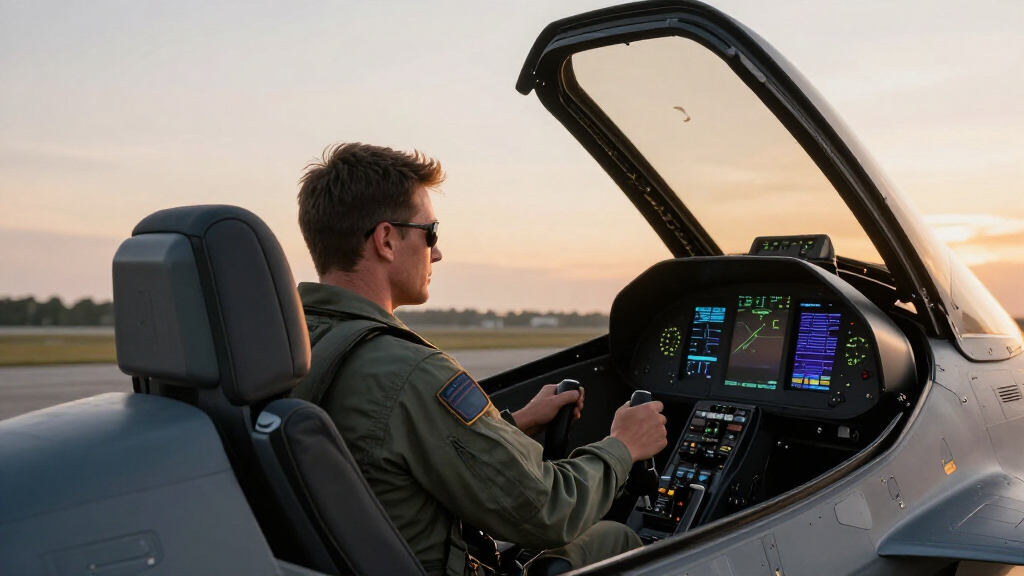
The flight took place on March 2024 at an undisclosed military facility, with the F-16 operating without a human pilot onboard. The AI system was responsible for navigation, targeting, and maneuvering, according to officials from DARPA and the U.S. Air Force.
Officials confirmed that the AI-controlled F-16 completed a series of maneuvers, including simulated combat scenarios, demonstrating its ability to operate independently in complex environments. The project aims to explore autonomous capabilities for future combat systems and reduce pilot risk in dangerous missions.
Implications for Future Air Combat Technologies
This development underscores a significant shift in military technology, highlighting the potential for autonomous aircraft to augment or replace human pilots in combat roles. It could influence future defense budgets, strategic planning, and international arms development. Experts suggest that AI-controlled fighters could enhance operational efficiency, reduce human casualties, and enable new tactics in warfare.
However, the deployment of autonomous fighters raises ethical, legal, and security concerns, including decision-making in combat and potential escalation of autonomous warfare capabilities.

wltk US Military's X-62A Vista 1/72 F16D Aircraft Model, World's First AI Fighter Jet
1/72 Scale Precision Diecast Collectible Model – NOT A TOY.
As an affiliate, we earn on qualifying purchases.
As an affiliate, we earn on qualifying purchases.
Background on Autonomous Military Aircraft Development
Research into autonomous military systems has accelerated over the past decade, with several countries exploring AI for drone swarms, unmanned ground vehicles, and autonomous naval vessels. The U.S. military’s interest in AI-controlled fighters has intensified, especially following advancements in machine learning and sensor technology.
Previous tests have involved AI-assisted drone operations, but fully autonomous fighter jets represent a new frontier. DARPA’s Air Combat Evolution program and similar initiatives aim to develop systems that can operate independently or alongside human pilots, with the goal of maintaining technological superiority.
“While this is an early test, it shows promising capabilities for future autonomous systems that could complement human pilots in high-risk scenarios.”
— Major General Tom Reed, U.S. Air Force

Actualia YUXIANG F08 Bell206 RC Helicopter for Adult, 1/27 Scale 6CH Brushless Direct-Drive Flybarless Helicopter Model with 6-Axis Gyro, 3D/6G RC Aircraft Model Toys (3PCS Battery)
【Realistic Design】Based on the iconic Bell206 helicopter, this 1:27 scale model offers highly detailed realistic features with cool…
As an affiliate, we earn on qualifying purchases.
As an affiliate, we earn on qualifying purchases.
Unanswered Questions About Operational and Ethical Implications
It is not yet clear how these AI systems will perform in real combat situations or how they will be integrated into existing military frameworks. Details about the AI’s decision-making processes and safety protocols remain undisclosed. Experts also question the legal and ethical frameworks governing autonomous combat systems, which are still under development.
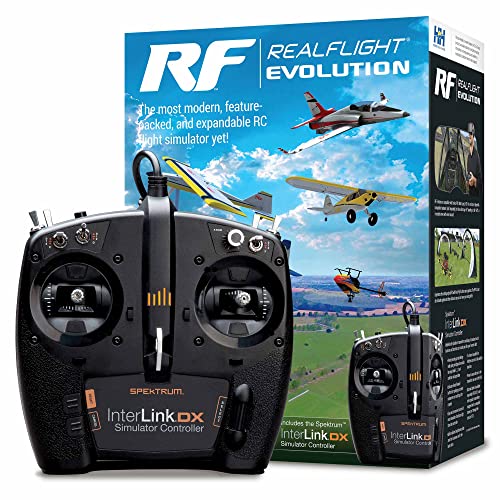
REALFLIGHT Evolution RC Flight Simulator Software with Interlink DX Controller Included RFL2000 Air/Heli Simulators Compatible with VR headsets Online Multiplayer Options
A fresh and modern user interface that’s even easier and more intuitive to use, virtually eliminating the need…
As an affiliate, we earn on qualifying purchases.
As an affiliate, we earn on qualifying purchases.
Next Steps in Autonomous Fighter Development and Testing
DARPA and the U.S. Air Force plan to conduct further tests, including more complex scenarios and longer flight durations. They aim to evaluate the AI’s ability to handle unpredictable combat environments and refine safety measures. Additionally, discussions are underway regarding regulatory and ethical standards for deploying autonomous fighters in operational settings.

Eairsoky 1:72 Scale F-16D Metal Fighter Jet Model Military Die-cast Aircraft Models for Collection or Gift
F-16 fighter (nickname: Fighting Falcon) is a United States Air Force jet multipurpose fighter aircraft
As an affiliate, we earn on qualifying purchases.
As an affiliate, we earn on qualifying purchases.
Key Questions
Could AI-controlled F-16s replace human pilots?
While current tests demonstrate technical feasibility, experts say full replacement of human pilots is still years away. Autonomous systems are likely to serve as force multipliers or in specific roles alongside human pilots initially.
What are the main risks of deploying autonomous fighters?
Risks include malfunction or hacking of AI systems, ethical concerns about autonomous decision-making in combat, and escalation of autonomous warfare capabilities without clear international regulations.
How does this development compare globally?
Other countries, including China and Russia, are also exploring autonomous military systems. The U.S. aims to maintain technological superiority through such innovations, but international norms are still evolving.
When might autonomous fighters see combat deployment?
Experts estimate that operational deployment could still be a decade away, contingent on further testing, safety validation, and regulatory approval.
Source: hn