
TL;DR

Get business pricing on tech for your team
- Business-only prices and quantity discounts
- Tax-exempt purchasing
- Multiple users, one account, clear invoices
Japan is running out of its robot wolf units designed to ward off bears due to high demand and manufacturing delays. The shortage coincides with a rise in bear encounters and attacks, prompting concerns over rural safety and wildlife management.
Japan’s robot wolf supply has been exhausted due to unprecedented demand, hindering efforts to control rising bear encounters in rural areas. The manufacturer, Ohta, reports that it cannot keep pace with orders, which are now taking two to three months to fulfill. This shortage comes amid a surge in bear attacks across the country, raising concerns about rural safety and wildlife management.
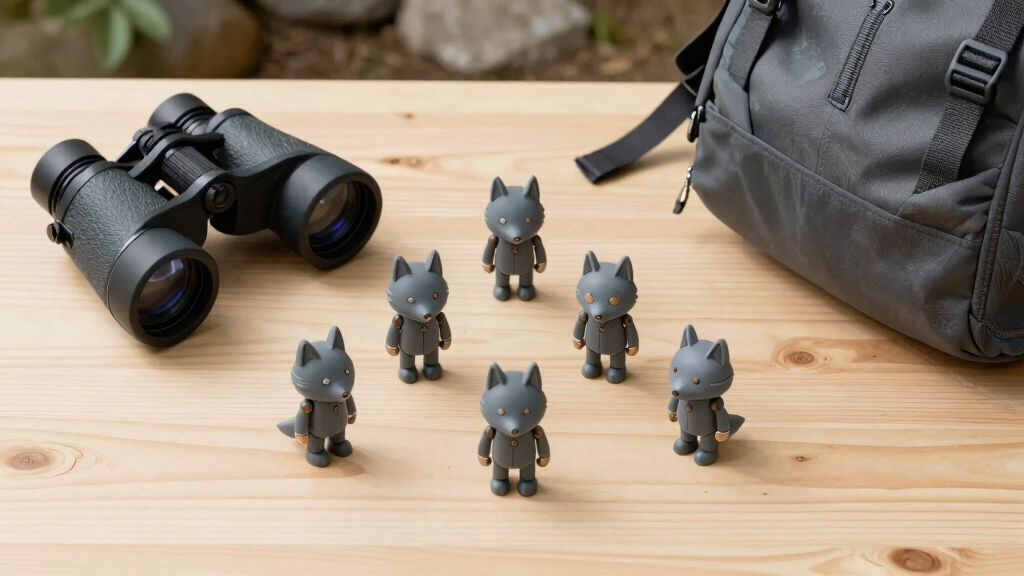
Ohta, the company behind the Monster Wolf robot scarecrows, states that it is unable to meet the current demand for its custom-made units, which are used primarily by farmers, golf courses, and rural workers to deter bears. Each robot, costing around $4,000, is equipped with sensors, solar panels, and speakers with over 50 audio clips designed to scare bears away. The company’s president, Yuji Ohta, confirmed that production is limited and customers face a wait of two to three months.
Bear encounters in Japan have increased significantly since 2025, with over 50,000 sightings reported and at least 200 injuries and 13 fatalities linked to bear attacks this year alone. The government has responded by deploying the military to cull bears, capturing and euthanizing more than 14,600 animals, nearly triple the previous year’s figure. The rising number of attacks correlates with habitat encroachment and food shortages caused by urban development and Japan’s aging population, which is more vulnerable to such encounters.
Why It Matters
The shortage of robot wolves limits rural communities’ options for non-lethal bear deterrence, which may influence the frequency of bear encounters and related injuries. This situation highlights the ongoing challenges in wildlife management and the need for scalable, effective strategies as human-wildlife conflicts increase.
As an affiliate, we earn on qualifying purchases.
Background
Japan has experienced an increase in bear-related incidents over recent years, driven by habitat encroachment and food scarcity. The government and private companies have employed various measures, including the deployment of robot scarecrows like Monster Wolf, introduced in 2016, which became popular for its realistic appearance and audio deterrents. Despite initial success, demand has surged beyond production capacity, especially as attacks have increased sharply since 2025, prompting military involvement and mass euthanasia efforts.
“We make them by hand. We cannot make them fast enough now. We are asking our customers to wait two to three months.”
— Yuji Ohta, President of Ohta
“Bear encounters have increased significantly, and we are deploying all available resources to manage the situation.”
— Japanese government official
As an affiliate, we earn on qualifying purchases.
What Remains Unclear
It remains uncertain how long the current shortage will persist or what alternative solutions may be developed to address the demand for bear deterrents. The effectiveness of other deterrent methods and the long-term impact of ongoing culling efforts are also areas requiring further assessment.
As an affiliate, we earn on qualifying purchases.
What’s Next
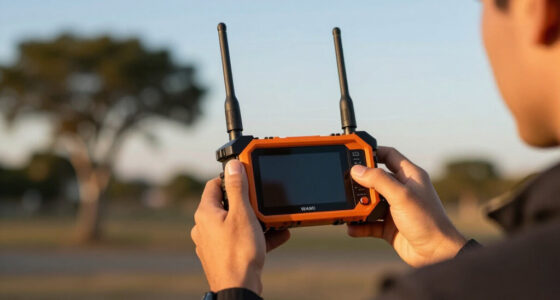
Manufacturers like Ohta are exploring upgraded versions, including mobile units with wheels and handheld devices for outdoor use. The government is expected to continue its bear management strategies, potentially increasing funding for new deterrent technologies and habitat management initiatives. Ongoing monitoring of bear populations and attack trends will inform future policy decisions.
wildlife management ultrasonic device
As an affiliate, we earn on qualifying purchases.
As an affiliate, we earn on qualifying purchases.
Key Questions
Why is Japan using robot wolves to deter bears?
Robot wolves are used as non-lethal deterrents to help prevent bears from entering populated and agricultural areas, thereby reducing the risk of attacks and property damage.
How severe is the current bear problem in Japan?
Since the beginning of 2025, Japan has reported over 50,000 bear sightings, with at least 200 injuries and 13 fatalities attributed to bear attacks, indicating an increase in human-wildlife conflicts.
What are the main challenges in managing Japan’s bear population?
Factors such as habitat encroachment, food shortages, and demographic vulnerabilities contribute to the difficulty in managing bear populations. The rising demand for deterrents like robot wolves has also exceeded current manufacturing capacity, leading to shortages.
What are the alternatives to robot wolves?
Other deterrent options include noise devices, chemical repellents, and habitat management. The government also employs culling and capture strategies to control bear numbers.
Fall Picks
fall essentials
As an affiliate, we earn on qualifying purchases.