
TL;DR
A solar-powered drone operated by Skydweller Aero broke the world record for longest flight at eight days, then crashed into the ocean due to extreme weather. The event highlights advances in renewable aviation tech but also raises concerns about durability.
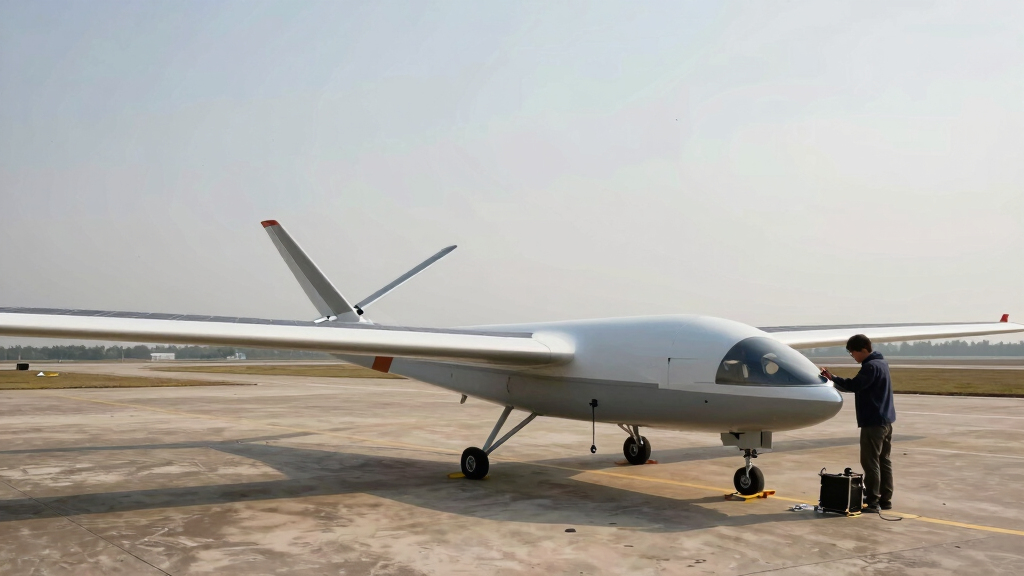
A solar-powered drone with a wingspan comparable to a Boeing 747 has broken the world record for longest flight, lasting over eight days before it crashed into the sea during a military exercise.

Get business pricing on tech for your team
- Business-only prices and quantity discounts
- Tax-exempt purchasing
- Multiple users, one account, clear invoices
The drone, operated by Skydweller Aero, took off from Mississippi on April 26 and participated in the US Navy’s FLEX 2026 exercises near Florida, supporting maritime patrol and communications tasks. It then continued extended operations over the Caribbean, demonstrating persistent, uncrewed flight capabilities.
On May 3, the drone encountered severe weather conditions with extreme vertical air mass variability, which led to its eventual loss. It was last tracked near Cancun, Mexico, before performing a controlled water ditching around 6:30 a.m. Eastern Time on May 4. Despite the successful record flight, the drone sank due to its non-buoyant composite structure.
Why It Matters
This event underscores the potential of solar-powered aircraft for military and civilian applications, particularly for persistent surveillance and communication roles. The record flight demonstrates technological progress toward renewable, long-endurance flight, though the crash highlights ongoing challenges in weather resilience and aircraft durability.
Products Worth Considering

Anker SOLIX C300 Portable Power Station, 288Wh

Jackery Explorer 1000 v2 Portable Power Station, 1024Wh LiFePO4 Battery

Sonos Era 100 Wireless Smart Speaker with Alexa, Black
As an affiliate, we earn on qualifying purchases.
Background
Skydweller Aero modified the original Solar Impulse 2 aircraft to create a drone capable of extended uncrewed missions. The aircraft’s wingspan of 236 feet, covered with over 17,000 solar cells, allowed it to operate solely on renewable energy. It previously set records for solar flight endurance and was involved in military testing since July 2025, including support for US Navy exercises and maritime patrols. The drone’s loss marks a significant setback but also provides valuable data for future designs.
“The record-breaking flight validated the practical military utility of a persistent, medium-altitude solar aircraft.”
— Skydweller Aero spokesperson
“The drone contributed to our maritime surveillance capabilities during FLEX 2026.”
— US Navy official (unconfirmed)
What Remains Unclear
It remains unclear what specific role the drone played in the military exercise’s target scenarios, and whether the crash was solely weather-related or also technical. The extent of damage and potential salvage options are still unknown, and no immediate replacements are planned.
What’s Next
Skydweller Aero plans to analyze flight data to improve future drone resilience against extreme weather. The company is also exploring upgrades to enhance durability and safety in future prototypes. Further military and commercial tests are expected in the coming months, pending technological developments and safety assessments.
Key Questions
What was the purpose of the drone’s mission?
The drone supported maritime patrols, communications, and target tracking during US Navy exercises near Florida and over the Caribbean, including scenarios involving drug interdiction efforts.
How significant was the flight record?
The drone’s flight lasted eight days and 14 minutes, making it the longest solar-powered flight in history for a drone or aircraft, surpassing previous records set by Solar Impulse 2.
What caused the drone to crash?
Severe weather conditions, including extreme vertical air mass variability, led to the drone’s loss after its energy reserves were depleted. The aircraft performed a controlled water ditching but sank due to its non-buoyant structure.
Will the drone be replaced?
Skydweller Aero has no immediate prototypes ready to replace the lost drone but plans to implement upgrades based on existing technology to improve future resilience against extreme weather.
What are the implications for future solar drone technology?
The event demonstrates both the potential and current limitations of solar-powered aircraft for persistent, long-duration missions, guiding future research and development efforts in renewable aviation technology.