
TL;DR

Get business pricing on tech for your team
- Business-only prices and quantity discounts
- Tax-exempt purchasing
- Multiple users, one account, clear invoices
The US NTSB has temporarily shut down its public investigation database after individuals used AI to recreate pilots’ voices from crash data. This move aims to prevent misuse amid privacy and legal concerns, but the full scope of the issue remains unclear.
The US National Transportation Safety Board (NTSB) has temporarily disabled public access to its investigation database following the emergence of AI-recreated pilots’ voices derived from publicly available crash data.
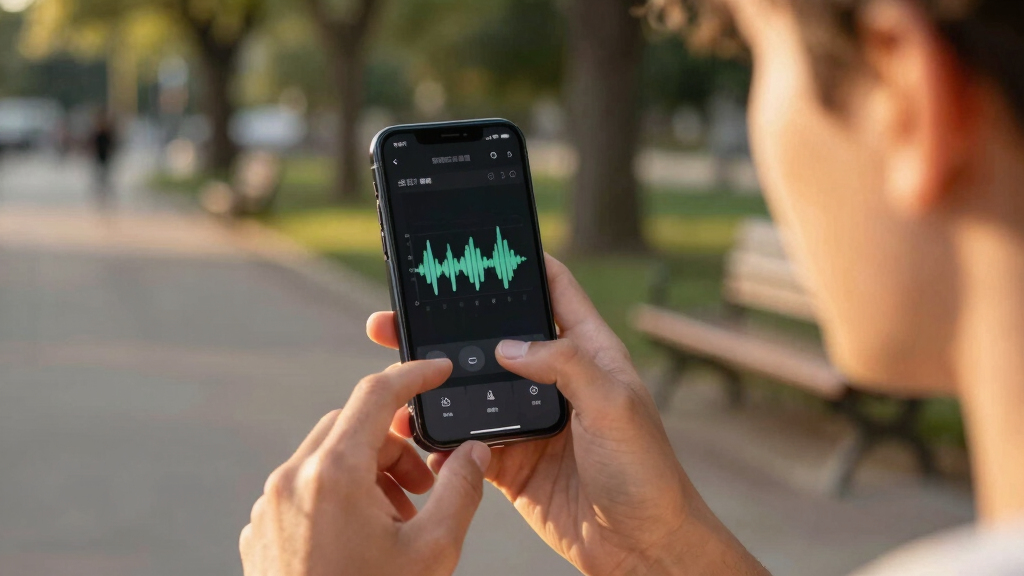
On May 21, the NTSB announced the temporary unavailability of its online docket system as it reviews how individuals used publicly shared spectrogram images—visual representations of cockpit audio—to reconstruct approximate audio recordings of pilots’ voices. The reconstruction was facilitated by AI and speech processing algorithms, notably the Griffin-Lim method, which has been incorporated into modern AI tools. This development followed the release of a spectrogram of cockpit audio from the crash of UPS flight 2976 in Louisville, Kentucky, on November 4, 2025, which was subsequently used by internet users to generate audible approximations of cockpit sounds and voices. The crash, involving a cargo plane that disintegrated shortly after takeoff, resulted in 15 fatalities including the crew and ground personnel. The NTSB emphasized that it does not release cockpit audio recordings publicly, citing a 1990 federal law that protects pilot privacy by restricting access to cockpit voice recordings. The agency’s decision to suspend access aims to prevent further misuse of publicly available data, amid concerns that AI can now reconstruct sensitive audio with minimal effort. The agency has not specified when the database will be restored but stated it is actively reviewing the scope of the issue.
Why It Matters
This incident highlights the growing challenges posed by AI in handling sensitive data, especially in aviation safety investigations. Re-creating pilots’ voices from publicly shared data raises privacy concerns and questions about the potential misuse of investigation materials. The move by the NTSB underscores the need for stricter controls over publicly accessible aviation data and signals potential regulatory responses to emerging AI capabilities that can bypass traditional privacy safeguards.
As an affiliate, we earn on qualifying purchases.
Background
The NTSB has long been restricted from publicly sharing cockpit voice recordings due to federal law enacted in 1990, which aims to protect pilot privacy following controversies over prior disclosures. Traditionally, the agency releases transcripts and visual data like spectrograms, but not actual audio recordings. Recent advances in AI, especially speech synthesis and spectrogram reconstruction algorithms, have enabled internet users to generate approximate cockpit sounds and voices from shared spectrogram images, illustrating the growing capabilities of AI in handling sensitive audio data. The crash of UPS flight 2976 in November 2025, which resulted in multiple fatalities, was a recent case where such data was made publicly available. The incident has reignited debates about privacy, security, and the ethical use of AI in aviation investigations, prompting the NTSB to reconsider how its publicly shared data can be exploited, similar to concerns raised in other AI-driven privacy issues.
“The NTSB is aware that advances in image recognition and computational methods have enabled individuals to reconstruct approximations of cockpit voice recorder audio from sound spectrum imagery.”
— NTSB spokesperson
“People are horrified with the idea of their last moments being made public and used for anything other than accident investigation.”
— Ben Berman, accident investigator
spectrogram audio reconstruction tools
As an affiliate, we earn on qualifying purchases.
As an affiliate, we earn on qualifying purchases.
What Remains Unclear
It remains unclear how widespread the use of AI to reconstruct cockpit audio has become, or whether other investigation data might be similarly vulnerable. The timeline for when the NTSB will fully restore its database is also uncertain, as the agency continues to evaluate the scope of the issue.
privacy protection voice recorder
As an affiliate, we earn on qualifying purchases.
As an affiliate, we earn on qualifying purchases.
What’s Next
The NTSB is expected to finalize its review of the data sharing protocols and implement new safeguards to prevent AI-based re-creations. Future updates on the investigation database’s status and potential policy changes are anticipated, along with possible legislative discussions on AI regulation and data privacy in aviation.
As an affiliate, we earn on qualifying purchases.
Key Questions
They used AI algorithms to reconstruct approximate cockpit audio from spectrogram images released by the NTSB, effectively generating audible versions of pilots’ voices and sounds from crash investigations.
Why is the NTSB suspending public access now?
The agency aims to review how publicly available spectrograms and other data have been exploited using AI tools to recreate sensitive cockpit audio, to prevent further misuse and protect privacy.
Does this mean cockpit voice recordings are now being released publicly?
No. The NTSB has reaffirmed that it does not release cockpit voice recordings and is taking steps to prevent AI-based re-creations from spreading further.
Could AI re-creations impact future investigations or privacy?
Yes. AI-generated re-creations could compromise pilot privacy and potentially influence investigation integrity if misused, prompting calls for stricter data controls.
Source: Ars Technica
Evergreen bestsellers Picks
bestsellers
As an affiliate, we earn on qualifying purchases.