
The best AI workers excel as editors because their true strength lies in refining, improving, and shaping existing content rather than just generating prompts. They analyze context, identify inconsistencies, and enhance clarity, coherence, and impact, making your work more polished and credible. This collaborative role helps you produce higher-quality results efficiently. If you’re interested, you’ll discover how this shift can elevate your creative and professional projects further.
Key Takeaways
- Effective AI editors refine and enhance existing content, showcasing mastery in shaping quality work more than just generating ideas.
- Strong editing skills require nuanced understanding, which AI can provide through iterative improvements and context analysis.
- AI editors focus on clarity, coherence, and ethical integrity, ensuring trustworthy and impactful final outputs.
- Being an excellent AI editor involves responsible oversight to prevent bias and maintain originality, unlike prompt generation.
- Skilled AI editors collaborate closely with humans to elevate content, making them more valuable than mere prompt creators.

While many people still think of AI primarily as a tool for generating prompts, the real power lies in AI’s ability to serve as an editor. Instead of focusing solely on creating initial ideas, AI excels at refining, improving, and shaping content. This shift toward editing highlights the potential for AI to enable better creative collaboration. You can leverage AI to polish your work, ensuring clarity, coherence, and precision, rather than relying on it just to spit out raw ideas. The role of AI as an editor allows you to work more efficiently, saving time and elevating the quality of your outputs.
AI’s true strength is in refining and shaping content, empowering more efficient and polished creative collaboration.
When you view AI as an editor, you tap into its capacity to analyze context, detect inconsistencies, and suggest improvements that might escape human notice. This makes AI an invaluable partner in the creative process, not just a prompt generator. As you refine your work, you develop a more nuanced understanding of your project, fostering a deeper level of creative collaboration between you and the AI. Instead of competing with AI or viewing it as a mere tool, you begin to see it as a collaborator that complements your skills, helping you craft more compelling stories, reports, or designs. Recognizing AI’s editing capabilities can significantly enhance your productivity and output quality.
However, embracing AI as an editor also requires you to consider ethical considerations carefully. Relying on AI for editing raises questions about originality, authorship, and bias. You need to ensure that the AI’s suggestions align with your intent and values, maintaining the integrity of your work. Transparency about AI’s role in editing helps preserve trust with your audience, especially when it influences decisions or perceptions. Ethical considerations also involve understanding how AI models are trained and being vigilant about biases that may be embedded in their suggestions. By actively engaging with these issues, you ensure that AI remains a responsible and trustworthy editing partner. Recognizing the importance of ethical AI use is crucial in maintaining the credibility of your projects.
Ultimately, the best AI workers aren’t just prompt generators—they’re sophisticated editors that enhance your creative process and uphold ethical standards. You benefit from AI’s ability to elevate your work, making it clearer, more impactful, and ethically sound. By shifting your perspective from prompts to editing, you unlock a new level of collaboration, where AI helps shape your ideas into polished, compelling content. This approach not only maximizes AI’s potential but also ensures that your work remains authentic and ethically responsible in a rapidly evolving digital landscape.

CyberLink PowerDirector 2026 | Video Editing Software for Windows | AI Video Editor, Screen Recorder, Slideshow Maker, Effects & Transitions | YouTube & Content Creation | Box with Download Code
- Screen Recording: Capture screen and webcam simultaneously
- Color Adjustment: Automatically enhance video color and contrast
- Frame Interpolation: Create smoother footage with AI-generated frames
As an affiliate, we earn on qualifying purchases.
As an affiliate, we earn on qualifying purchases.
Frequently Asked Questions
How Do AI Editors Improve Content Quality?
AI editors improve content quality by automatically performing fact checking, catching inaccuracies before publication, and ensuring factual accuracy. They also adjust tone to match the intended audience or style, making your content more engaging and appropriate. By actively refining your writing, AI editors enhance clarity, consistency, and professionalism, saving you time and ensuring your message resonates effectively with readers.
Can AI Editors Replace Human Editors Entirely?
You can’t fully replace human editors, no matter how advanced AI gets—think of AI bias and editing ethics as insurmountable barriers. While AI can handle massive workloads, it struggles with nuanced judgment, moral considerations, and cultural sensitivity. Human editors bring empathy, ethical standards, and context awareness that AI simply can’t replicate. So, AI will augment, not replace, human editors, ensuring content remains ethically sound and culturally respectful.
What Skills Make an AI Worker a Good Editor?
You need strong contextual understanding and editorial intuition to be a good AI editor. Your skills help you interpret nuanced language, identify tone, and guarantee content aligns with the intended message. You actively analyze texts, make precise adjustments, and improve clarity. Your ability to grasp context quickly enables you to refine AI outputs effectively, ensuring the final content resonates with human audiences and maintains high editorial standards.
How Do AI Editors Handle Nuanced or Creative Writing?
Can an AI truly grasp the artistry behind nuanced writing? You handle this by applying creative intuition, understanding the subtlety and emotional depth behind words. You adjust tone carefully, ensuring the voice remains authentic and engaging. With this approach, you enhance creative pieces without losing their essence, making the writing resonate better with readers. Your skill lies in balancing technical precision with an intuitive feel for storytelling and expression.
What Are the Limitations of AI Editors Compared to Human Editors?
AI editors face limitations like AI bias, which can skew content or omit nuanced perspectives, and editing ethics, where they might struggle with sensitive topics or cultural nuances. You might find that AI lacks the judgment and empathy human editors bring, especially for complex or emotional writing. These constraints highlight why human oversight remains essential, ensuring ethical standards and cultural sensitivity are maintained during editing.
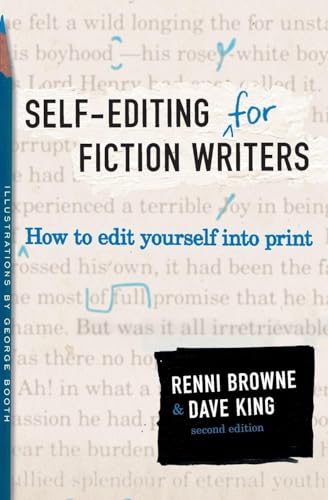
Self-Editing for Fiction Writers, Second Edition: How to Edit Yourself Into Print ― A Professional Writing Guide on "Show, Don't Tell"
As an affiliate, we earn on qualifying purchases.
As an affiliate, we earn on qualifying purchases.
Conclusion
So, embrace the idea that your smartest AI workers are like seasoned editors, shaping your words into polished gems. Instead of just prompting, let them refine, craft, and perfect your work, turning raw ideas into shining masterpieces. Like a skilled sculptor chiseling away the excess, they bring clarity and brilliance to your projects. Remember, it’s not just about guiding the AI—it’s about partnering with it to craft something truly extraordinary.

Tech-Powered Sales: Achieve Superhuman Sales Skills
As an affiliate, we earn on qualifying purchases.
As an affiliate, we earn on qualifying purchases.

AI VoiceWriter – Smart Dictation & AI Writing Assistant for Windows & Mac | USB Dongle & Mobile App for Voice Input, Proofreading, Rewriting & Multilingual Support
- Hands-Free Voice Typing: Speech-to-text for Windows & Mac
- AI Writing Assistant: Proofreading, rephrasing, formatting
- Universal App Compatibility: Works in Word, Google Docs, emails
As an affiliate, we earn on qualifying purchases.
As an affiliate, we earn on qualifying purchases.