
TL;DR

Get tech for your team delivered free — and shop member deals
- Fast, free delivery on millions of items
- Access to Prime Big Deal Days deals on October 6–7
- Prime Video, Amazon Music and more included
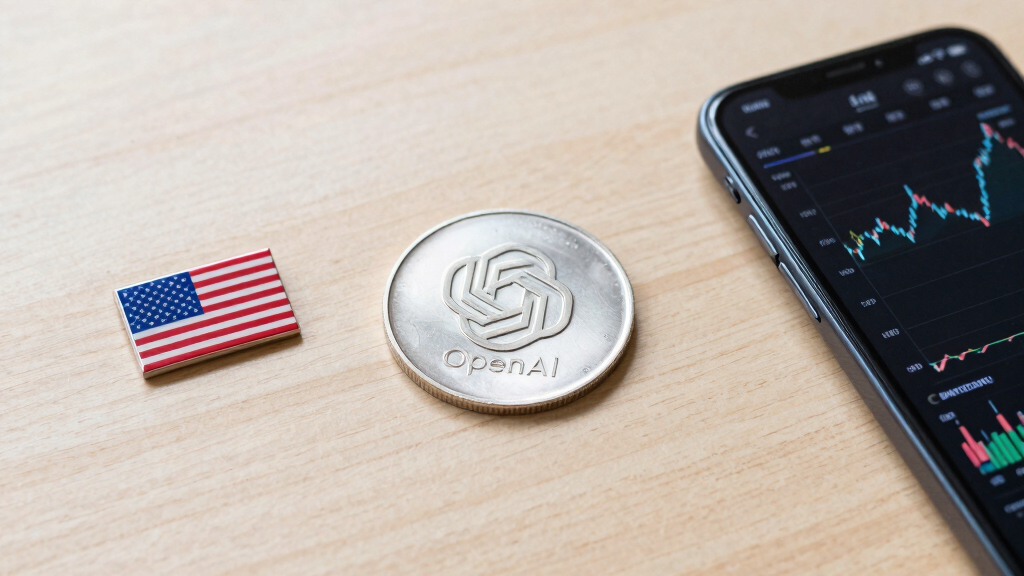
OpenAI has proposed offering a 5% ownership stake to the U.S. government to reduce regulatory pressure, according to sources. The move aims to address political concerns while maintaining operational independence.
OpenAI has proposed offering a 5% ownership stake to the U.S. government, specifically the Trump administration, as a strategy to reduce political and regulatory pressure. This development was reported by CNBC and other outlets, marking a significant move in the ongoing dialogue between the AI company and federal authorities.
The proposal involves transferring a 5% equity stake in OpenAI to a government entity, which sources say could be the Department of Commerce or another relevant agency. The move appears to be an effort by OpenAI to foster a closer relationship with Washington amid increasing scrutiny of AI technologies, including potential regulation and oversight.
While the report indicates that OpenAI is actively discussing this proposal with officials, it remains unclear whether the offer has been formally made or accepted. OpenAI has not publicly confirmed the details of the proposal, and sources caution that negotiations are still ongoing.
Implications of Government Stakeholding in OpenAI
This proposal, if accepted, could set a precedent for government involvement in private AI companies, potentially influencing how AI development is regulated and overseen in the U.S. It signals a possible shift toward closer collaboration or influence, raising questions about the independence of AI research and commercialization.
For the public and industry stakeholders, this move could impact perceptions of AI’s governance, trust, and transparency, especially given the political context involving the Trump administration and broader concerns about AI safety and regulation.
As an affiliate, we earn on qualifying purchases.
Background on OpenAI and U.S. Regulatory Pressures
OpenAI, founded in 2015, has grown into one of the leading AI research organizations, known for developing ChatGPT and other advanced models. As AI technology advances rapidly, U.S. regulators and policymakers have expressed increasing concern about AI safety, ethics, and national security implications.
Previously, the Biden administration has engaged with tech firms to establish AI oversight frameworks, but the proposal by OpenAI to offer a government stake marks a novel approach. The Trump administration’s stance on tech regulation has been more skeptical of government intervention, making this proposal particularly noteworthy in the current political climate.
“OpenAI is exploring strategic options to address regulatory concerns, including the possibility of offering a stake to the government.”
— an anonymous source familiar with the negotiations
As an affiliate, we earn on qualifying purchases.
Details of the Proposal and Official Confirmation
It is not yet confirmed whether OpenAI has formally offered or finalized the transfer of a 5% stake. OpenAI has not issued an official statement, and sources describe the negotiations as still in progress. The exact nature of the government entity involved remains unclear.
Additionally, the broader political reaction and potential regulatory changes that might follow are still uncertain, pending further developments.
As an affiliate, we earn on qualifying purchases.
Next Steps in Negotiations and Public Clarification
OpenAI and government officials are expected to continue discussions in the coming weeks. A formal announcement or clarification from OpenAI or relevant authorities could occur soon, clarifying the scope and terms of the proposed stake transfer. Observers will watch for any regulatory policy shifts resulting from this development.
AI policy and governance literature
As an affiliate, we earn on qualifying purchases.
As an affiliate, we earn on qualifying purchases.
Key Questions
Why would OpenAI offer a stake to the government?
OpenAI may see this as a strategic move to reduce regulatory pressure and foster closer collaboration with government agencies involved in AI oversight.
Could this affect OpenAI’s independence?
If the proposal proceeds, it could raise questions about the influence of government on OpenAI’s decision-making and research priorities.
What are the potential risks of this move?
Risks include political influence over AI development, public perception issues, and potential conflicts over innovation versus regulation.
Has the government officially responded to this proposal?
No, there has been no official statement from the Trump administration or other government agencies as of now.
When might we see a formal announcement?
Negotiations are ongoing, and a formal announcement could occur within the next few weeks depending on the progress of discussions.
Source: google-trends
Halloween Picks
halloween
As an affiliate, we earn on qualifying purchases.