
TL;DR
Vāgdhenu is a Sanskrit TTS system designed to faithfully recite traditional chants. It represents a technological effort to preserve Sanskrit pronunciation and heritage. The development is confirmed and aims to serve cultural and educational purposes.
Vāgdhenu is a newly developed Sanskrit chanting text-to-speech (TTS) system that can accurately vocalize traditional Sanskrit mantras and hymns. The project, unveiled in March 2024, aims to preserve and promote the oral recitation of sacred texts using AI technology, making it accessible for educational, religious, and cultural purposes.
The Vāgdhenu system was created by a team of linguists, AI researchers, and Sanskrit scholars. It uses advanced speech synthesis algorithms trained on a large corpus of recorded Sanskrit chants to generate high-fidelity recitations. The developers claim that the system can produce pronunciations that are faithful to traditional pronunciation, including nuances of pitch, intonation, and rhythm.
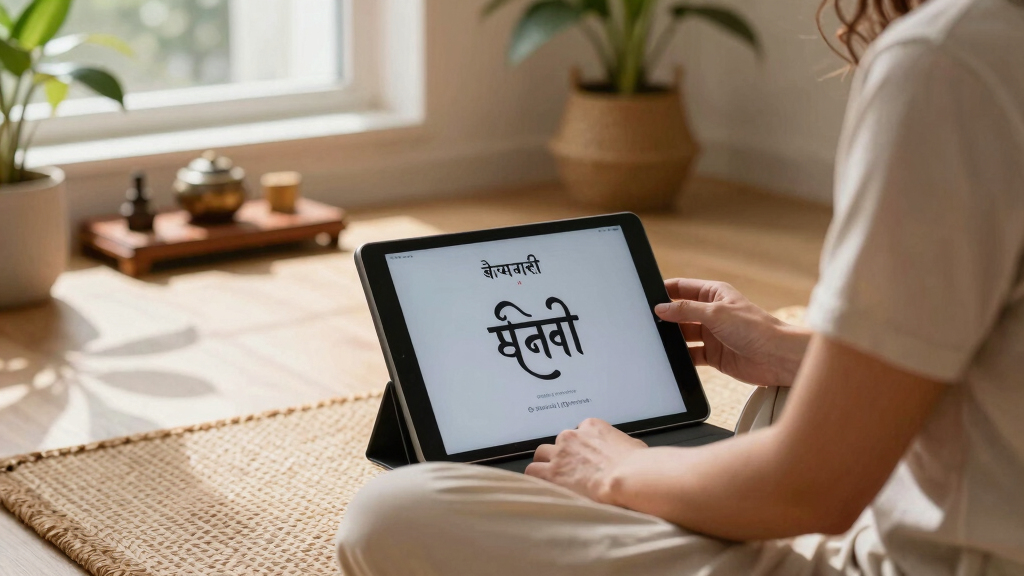
According to the project team, Vāgdhenu is designed to serve multiple audiences, including students learning Sanskrit, religious practitioners, and cultural preservationists. It is accessible via a web platform and mobile app, allowing users to listen to accurate recitations of a wide range of texts, from Vedic hymns to classical Sanskrit poetry.
The system’s development was supported by academic institutions and cultural organizations aiming to digitize and preserve India’s linguistic heritage. The creators emphasize that Vāgdhenu is not intended to replace human recitation but to complement and support efforts in Sanskrit education and preservation.
Potential Impact on Sanskrit Preservation and Education
Vāgdhenu represents a significant technological advancement in the preservation of Sanskrit pronunciation and oral tradition. By providing accurate, AI-generated recitations, it could enhance access to sacred texts and support language learners worldwide. This development may also influence future applications of speech synthesis in preserving endangered languages and oral traditions.
Experts suggest that the system could serve as a valuable tool for educators, religious institutions, and cultural organizations seeking to maintain authentic pronunciation standards in Sanskrit recitation. However, some scholars caution that AI-generated speech should complement, not replace, traditional oral transmission.
As an affiliate, we earn on qualifying purchases.
Background on Sanskrit TTS and Digital Preservation Efforts
Prior to Vāgdhenu, efforts to digitize Sanskrit texts have focused mainly on text-based repositories and translation projects. Few systems have attempted to replicate the oral recitation aspect with high fidelity. Speech synthesis technology has advanced rapidly in recent years, but its application to classical languages like Sanskrit remains limited due to the language’s complex phonetics and pronunciation nuances.
In recent years, several projects have explored using AI to preserve endangered languages and oral traditions, but Vāgdhenu is among the first to target Sanskrit specifically with a focus on chanting and religious recitation. Its development aligns with broader efforts to leverage AI for cultural heritage preservation.
“Vāgdhenu offers a promising way to preserve the authentic sound of Sanskrit chants for future generations, especially as oral transmission declines.”
— Dr. Anjali Rao, Sanskrit linguist
As an affiliate, we earn on qualifying purchases.
Unanswered Questions About Vāgdhenu’s Capabilities and Adoption
It is not yet clear how well Vāgdhenu performs across different Sanskrit dialects or recitation styles. The system’s accuracy in capturing subtle pronunciation nuances, especially for complex hymns, remains to be independently verified. Additionally, the extent of its adoption by religious and educational institutions is still uncertain, as the project is in its early rollout phase.
Further testing and user feedback will be needed to assess its effectiveness and cultural acceptance.
As an affiliate, we earn on qualifying purchases.
Next Steps for Vāgdhenu’s Development and Outreach
The developers plan to expand the corpus of chants and improve the system’s pronunciation fidelity based on user feedback. They also aim to partner with educational and religious organizations to pilot Vāgdhenu in real-world settings. A public beta release is expected within the next few months, with ongoing updates to enhance accuracy and usability.
Researchers and users will be watching to see how the system is adopted and whether it can truly support Sanskrit preservation efforts at scale.
As an affiliate, we earn on qualifying purchases.
Key Questions
How does Vāgdhenu ensure accurate pronunciation?
Vāgdhenu uses machine learning algorithms trained on extensive recordings of traditional Sanskrit chants, capturing nuances of pitch, tone, and rhythm to produce authentic recitations.
Can Vāgdhenu recite all Sanskrit texts?
The system currently supports a wide range of texts, including Vedic hymns and classical poetry. Its capacity to handle complex or rare texts will improve with ongoing development.
Is Vāgdhenu meant to replace human recitation?
No. The creators emphasize that Vāgdhenu is designed to complement traditional oral transmission, not replace human reciters. It aims to support education and preservation efforts.
How accessible is Vāgdhenu for users worldwide?
The system is available via web and mobile platforms, making it accessible to global audiences interested in Sanskrit recitation and study.
What are the limitations of Vāgdhenu?
As an AI system, it may not perfectly capture all regional pronunciation variations or the emotional expressiveness of human recitation. Its effectiveness depends on ongoing refinement and user feedback.
Source: hn