

TL;DR
At several U.S. universities, students booed commencement speakers who discussed AI, signaling mixed feelings. While some interpret this as outright hostility, others see it as a broader reaction to technological and cultural change.
Students at several U.S. universities booed commencement speakers who referenced artificial intelligence during their speeches, with videos of the reactions circulating widely on social media. This phenomenon highlights the complex and divided attitudes among young people toward AI and its role in society.
At the University of Central Florida, students booed when real-estate executive Gloria Caulfield called AI ‘the next Industrial Revolution.’ Similar reactions occurred at the University of Arizona when former Google CEO Eric Schmidt discussed ‘the architects of artificial intelligence,’ and at Middle Tennessee State University when record executive Scott Borchetta described AI as ‘rewriting the production process.’ These boos were captured on video and shared online, prompting widespread media coverage. Experts and commentators have interpreted these reactions variously—from outright hostility to a broader expression of unease about AI’s cultural and economic implications. Some reports suggest that the boos reflect a generational pushback against perceived threats to future opportunities, while others see them as part of a larger cultural resistance to technological change.
In response, some speakers and commentators have attempted to contextualize AI as a tool that can be harnessed positively, with Borchetta urging students to ‘make it work for you.’ The reactions have also sparked debate about whether the boos signify genuine opposition or are symbolic gestures reflecting broader anxieties about automation, job security, and cultural disruption.
Why It Matters
This phenomenon matters because it reveals a generational and cultural divide over AI, a technology that is rapidly transforming education, work, and society. The boos suggest that many young people feel uneasy or threatened by AI’s potential to displace jobs, reshape industries, and challenge traditional notions of learning and creativity. Understanding these reactions is crucial for policymakers, educators, and technologists seeking to navigate the societal impacts of AI and foster constructive dialogue.
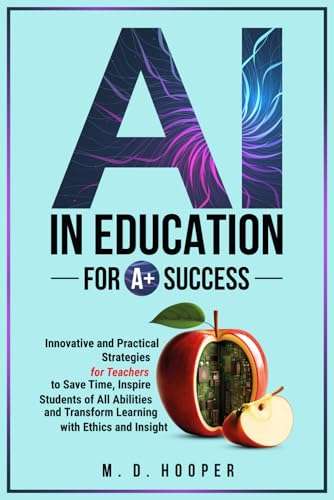
AI In Education For A+ Success: Innovative and Practical Strategies for Teachers to Save Time, Inspire Students of All Abilities and Transform Learning with Ethics and Insight
As an affiliate, we earn on qualifying purchases.
As an affiliate, we earn on qualifying purchases.
Background
The reactions at graduation ceremonies are part of a larger pattern of ambivalence and resistance toward AI among young people. Over the past three years, AI has profoundly affected higher education, with students using it to cheat and professors grappling with how to assess learning. Historically, technological innovations like streaming music and digital marketing have faced similar resistance, often driven by fears of obsolescence and loss of control. The recent booing incidents echo this pattern, but also highlight a specific cultural moment where AI is seen as a symbol of broader societal shifts.
“It’s a tool. Make it work for you.”
— Scott Borchetta
“AI is the next Industrial Revolution.”
— Gloria Caulfield
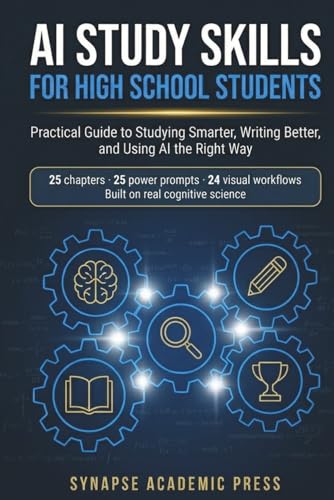
AI Study Skills for High School Students: Practical Guide to Studying Smarter, Writing Better, and Using AI the Right Way
As an affiliate, we earn on qualifying purchases.
As an affiliate, we earn on qualifying purchases.
What Remains Unclear
It is unclear whether the booing reflects a deep-seated hostility toward AI or a symbolic protest against rapid technological change. The extent to which these reactions are representative of broader student sentiment remains uncertain, as social media videos capture only a subset of the audience’s feelings. Additionally, the long-term impact of this reaction on university policies and AI integration in education is still developing.

Building AI-Powered Apps with Angular: Hands-on guide to creating agentic Angular apps with Google AI and Gemini models
As an affiliate, we earn on qualifying purchases.
As an affiliate, we earn on qualifying purchases.
What’s Next
Next steps include further observation of student reactions at future graduation ceremonies and increased dialogue among educators, students, and technologists about AI’s role in society. Universities may also develop new policies on AI use, and public conversations about AI’s cultural implications are likely to intensify.
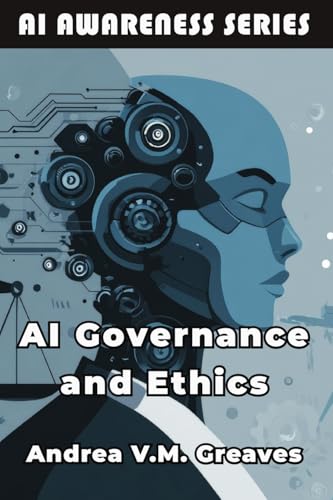
AI Governance and Ethics: Frameworks for Responsible and Sustainable AI Adoption (AI Awareness Series)
As an affiliate, we earn on qualifying purchases.
As an affiliate, we earn on qualifying purchases.
Key Questions
Why are students booing when AI is mentioned at graduation speeches?
Many students appear to be expressing discomfort or opposition to AI, viewing it as a threat to future job prospects, traditional education, and cultural values. The boos may also symbolize broader resistance to rapid technological change.
Is the booing a sign of widespread anti-AI sentiment among students?
It is uncertain whether this is a widespread sentiment or a symbolic gesture. The incidents are recent and localized, and further research is needed to gauge overall student attitudes.
What does this reaction mean for the future of AI in education?
The reactions highlight the need for ongoing dialogue about AI’s role, ethical considerations, and how to integrate it responsibly into learning environments. Institutions may reconsider how they address AI in curricula and policies.
Will this affect how universities invite speakers or discuss AI publicly?
It’s possible that universities will become more cautious or deliberate in discussing AI publicly, considering student reactions. However, the long-term impact remains to be seen as the debate continues.
Source: The Atlantic