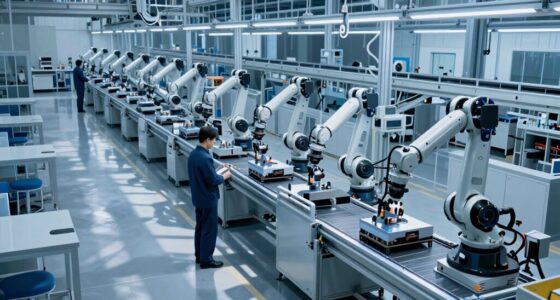

You need to learn from factory lessons by embracing automation, diversifying your skills, and staying disciplined in continuous learning. Machines will replace some tasks, so focusing on critical thinking, problem-solving, and emotional intelligence becomes essential. Work smarter by streamlining processes and leveraging new tools. Resilience, adaptability, and a growth mindset will help you stay relevant. Want to understand how these lessons can shape your future career? Keep exploring to find out more.
Key Takeaways
- White-collar workers must proactively diversify skills to stay relevant as automation replaces routine tasks.
- Continuous learning and discipline are essential to adapt quickly to technological advancements.
- Embracing automation as an opportunity rather than a threat enhances productivity and resilience.
- Workflow optimization and automation tools can improve efficiency but require ongoing skill development.
- Resilience, adaptability, and a growth mindset are crucial for future workplace success amid automation risks.

Have you ever wondered what factory workers can teach white-collar employees about efficiency and discipline? As automation continues to reshape workplaces across industries, this question becomes more relevant than ever. Factory workers have long mastered the art of streamlining processes, maintaining strict discipline, and adapting quickly to technological changes. Now, as digital transformation accelerates, white-collar workers are about to learn similar lessons—perhaps the hard way.
One major lesson is understanding automation risks. In factories, machines often replace manual labor, leading to increased productivity but also exposing vulnerabilities. If you’re not vigilant, automation can render certain skills obsolete almost overnight. Recognizing this, factory workers have learned to diversify their skill sets and stay adaptable. For white-collar employees, the takeaway is clear: don’t become overly reliant on specialized knowledge that automated systems could replace. Instead, focus on developing versatile skills—problem-solving, critical thinking, and emotional intelligence—that machines can’t easily replicate. This proactive approach helps you stay relevant, even as tasks become more automated.
Diversify skills and develop problem-solving, critical thinking, and emotional intelligence to stay relevant in an automated workplace.
Discipline is another essential aspect you’ll need to embrace. Factory work demands punctuality, consistency, and attention to detail. These qualities aren’t just about maintaining order; they’re about ensuring productivity and quality. As your workplace evolves with technology, maintaining discipline in your learning and adaptation becomes indispensable. You’ll need to dedicate time to upgrading your skills, understanding new tools, and staying ahead of technological shifts. Discipline also means resisting complacency—recognizing that continuous improvement is essential to avoid falling behind in a rapidly changing environment. Furthermore, understanding the importance of automation in manufacturing can help you appreciate the power and limitations of technology, guiding your approach to workplace evolution. Staying informed about technological advancements can also give you a strategic advantage in adapting more effectively. Additionally, adopting a growth mindset enables you to view change as an opportunity rather than a threat, fostering resilience in uncertain times.
Factory workers excel at optimizing workflows and minimizing waste—a principle that applies equally to white-collar work. Efficiency isn’t just about working faster; it’s about working smarter. Learning to analyze your tasks, eliminate redundancies, and leverage automation tools will make you more effective. Embracing automation risks doesn’t mean fearing job loss; it means preparing to evolve. Skill adaptation is your best defense against redundancy. By staying flexible and open to change, you position yourself as an invaluable asset rather than an expendable one.
In the end, the factory lesson for white-collar workers is straightforward: stay alert to automation risks and prioritize skill adaptation. Discipline, resilience, and a willingness to learn are your tools for thriving amid change. Just like factory workers who continually refine their craft, you too must embrace continuous improvement to secure your future in an increasingly automated world. The sooner you internalize these lessons, the better prepared you’ll be to navigate the next wave of workplace transformation.
automation workflow automation tools
As an affiliate, we earn on qualifying purchases.
As an affiliate, we earn on qualifying purchases.
Frequently Asked Questions
How Will Automation Specifically Impact White-Collar Job Roles?
Automation will profoundly impact your white-collar job roles through robotic integration, streamlining tasks like data analysis and customer service. While this increases efficiency, it also leads to job displacement in certain areas where machines replace manual work. You may find yourself needing to adapt by developing new skills or shifting into roles that require more strategic thinking and oversight, ensuring you stay relevant in an evolving workplace landscape.
What Skills Should White-Collar Workers Develop to Stay Relevant?
Like a gardener tending to a delicate bloom, you should nurture soft skills and emotional intelligence to stay relevant. Develop your communication, adaptability, and empathy, because automation can handle routines but struggles with human connection. By sharpening these qualities, you’ll become the indispensable seed that flourishes amidst technological storms, transforming challenges into opportunities and ensuring your role remains essential in the evolving landscape.
Are There Industries More Vulnerable to Factory-Like Automation?
Industries with low industrial resilience and high automation resistance, like creative arts, healthcare, and education, are less vulnerable to factory-like automation. You should focus on developing skills that emphasize adaptability, emotional intelligence, and complex problem-solving, as these areas are harder for machines to replicate. By staying flexible and embracing continuous learning, you’ll remain valuable even as automation advances, reducing your vulnerability to industry disruptions.
How Can Companies Support Workers During This Transition?
Imagine your company offers retraining programs, similar to Amazon’s Upskilling 2025 initiative, to support workers during automation shifts. You can prioritize employee well-being by providing mental health resources and flexible work options. Embracing corporate responsibility means actively helping staff shift, not just replacing jobs. By investing in development and transparent communication, you foster loyalty and resilience, ensuring workers feel valued and supported through this period of change.
Will Remote Work Influence the Factory Lesson for White-Collar Employees?
Remote work will profoundly influence the factory lesson for white-collar employees by reshaping work-life balance and employee engagement. You’ll find it easier to balance personal and professional commitments, leading to increased satisfaction. However, maintaining engagement might require more intentional efforts, like virtual team-building activities. Embracing remote work means you can foster a more flexible, motivated workforce, but it also demands adapting management strategies to keep everyone connected and committed.
critical thinking training courses
As an affiliate, we earn on qualifying purchases.
As an affiliate, we earn on qualifying purchases.
Conclusion
Now that you’ve seen both sides, it’s clear that understanding the factory’s lessons isn’t just about avoiding shortcuts; it’s about recognizing the value of hard work and discipline. Like they say, what goes around comes around. Embrace these lessons now, and you’ll find that success isn’t just handed to you—it’s earned through effort and integrity. Remember, sometimes you have to get your hands dirty to truly appreciate the bigger picture.
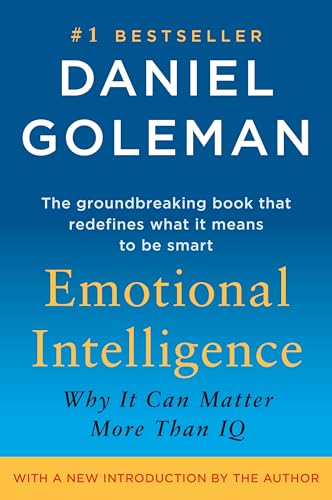
Emotional Intelligence: Why It Can Matter More Than IQ
As an affiliate, we earn on qualifying purchases.
As an affiliate, we earn on qualifying purchases.
productivity and efficiency software
As an affiliate, we earn on qualifying purchases.
As an affiliate, we earn on qualifying purchases.