
TL;DR

Get business pricing on tech for your team
- Business-only prices and quantity discounts
- Tax-exempt purchasing
- Multiple users, one account, clear invoices
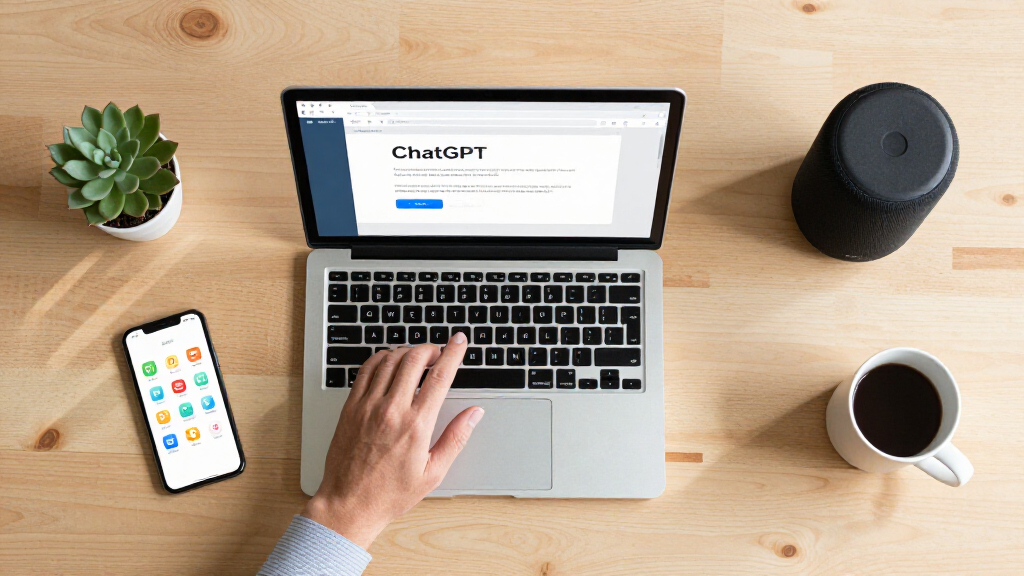
OpenAI is expanding its free ChatGPT for Teachers workspace to more U.S. school districts, enabling educators to use AI for lesson planning, grading, and feedback. The move marks a significant step in integrating AI into K-12 education, though details on implementation and impact remain unclear.
OpenAI has announced the expansion of its ChatGPT for Teachers workspace to more school districts across the United States, marking a significant step in integrating generative AI into K-12 education. The initiative provides free access to AI tools designed specifically for educators to streamline tasks such as lesson planning, grading, and providing feedback, aiming to support teachers amid ongoing policy debates over AI’s role in classrooms. For more details, see the original analysis.
The expansion involves providing district-wide access to OpenAI’s dedicated teacher workspace, which differs from the consumer ChatGPT product by focusing on classroom-specific features. Teachers use the platform for drafting lesson plans, creating quizzes, adjusting reading levels, and giving feedback on student work, with OpenAI emphasizing that the primary users are educators, not students.
While OpenAI has not disclosed specific district names, numbers, or timelines for full deployment, the move signals a shift from pilot programs to broader, district-level adoption. This reflects a growing trend of AI integration in education, as detailed in the original analysis. Schools can provision accounts for their teaching staff, creating a shared, managed environment that simplifies access and oversight. Learn more about how AI is transforming education in the original analysis. The company reports that educators have already integrated these tools into their routines, citing time savings on administrative and preparatory tasks.
However, many details about the rollout remain unconfirmed, including the scope of districts involved, data privacy terms, and how success will be measured. The initiative aims to embed AI more deeply into educational workflows, raising questions about long-term impacts on teaching quality and student learning outcomes, which are still under study.
Implications of AI Integration in U.S. Education
The expansion of ChatGPT for Teachers signifies a major step toward embedding AI tools into the fabric of American public education. If widely adopted, these tools could transform daily teaching practices by reducing workload, saving time on lesson planning, and providing personalized feedback. For educators, this could mean a shift in how they allocate their time, focusing more on student interaction rather than administrative tasks.
For school districts, the move raises important considerations around costs, data privacy, and equity. While free access lowers barriers to adoption, concerns persist about the security of student data, reliance on a single vendor, and whether AI tools will serve all students equitably. The growing presence of AI in classrooms also intensifies competition among major tech companies, positioning OpenAI as a dominant player in the educational AI market.
Ultimately, this development could influence policy discussions about AI’s role in education and shape future standards for AI-assisted teaching, even as research on long-term effects remains limited.
AI lesson planning software for teachers
As an affiliate, we earn on qualifying purchases.
As an affiliate, we earn on qualifying purchases.
Background on AI Use in U.S. Schools
Since ChatGPT’s public launch in late 2022, U.S. schools have experienced a wave of interest and concern over AI’s role in education. Early reactions included outright bans in some districts due to fears of cheating and academic dishonesty. Over time, conversations shifted toward structured, responsible adoption, with educators increasingly integrating AI tools into their workflows.
OpenAI’s initial efforts targeted teachers as primary users, recognizing their need for support in lesson development and feedback. The company has released classroom resources, guides, and dedicated workspaces, emphasizing that AI use by teachers carries fewer integrity risks than student-facing applications. Anecdotal reports suggest that many teachers find these tools helpful for tailoring instruction to diverse learners and reducing workload.
The current expansion reflects OpenAI’s move from pilot projects to a broader, district-level deployment, aiming to establish itself as the default provider of AI tools for educators in the U.S. However, the full scope and impact of this shift are still unfolding, with many districts evaluating how best to incorporate AI into their policies and practices.
“Using ChatGPT has saved me hours on lesson planning and grading, allowing me to focus more on direct student engagement.”
— High school teacher Sarah Lopez
grading and feedback tools for educators
As an affiliate, we earn on qualifying purchases.
As an affiliate, we earn on qualifying purchases.
Unanswered Questions About Deployment and Impact
Many details about the rollout remain unclear. OpenAI has not disclosed which districts are involved, the number of teachers covered, or the specific timeline for full deployment. Data privacy terms, especially regarding student work and teacher inputs, have not been publicly detailed. Additionally, there is limited independent research on the long-term effects of AI-assisted teaching on student outcomes, making it difficult to assess the true impact of the tools at this stage.
educational quiz creation software
As an affiliate, we earn on qualifying purchases.
As an affiliate, we earn on qualifying purchases.
Next Steps in AI Adoption and Evaluation
Expect individual districts to announce their own adoptions and policies as the expansion progresses. OpenAI may release further details on usage statistics, privacy safeguards, and evaluation metrics. Researchers and educators will likely monitor the impact of AI tools on teaching workload, instructional quality, and student learning, but comprehensive studies are still forthcoming. The industry will also watch how competitors respond and whether regulatory frameworks evolve to govern AI use in education.
reading level adjustment tools for classrooms
As an affiliate, we earn on qualifying purchases.
As an affiliate, we earn on qualifying purchases.
Key Questions
Which districts are participating in the ChatGPT for Teachers expansion?
OpenAI has not publicly specified the districts involved in the current expansion; details are expected to be announced as deployment progresses.
How does ChatGPT for Teachers differ from the regular ChatGPT product?
The teacher-specific workspace is designed for classroom tasks, with features tailored to lesson planning, grading, and feedback, and is separate from the consumer ChatGPT platform used by the general public.
Will student data be protected when using these AI tools?
OpenAI has not yet publicly detailed privacy policies for district deployments, but data security and privacy are key concerns that are likely to be addressed as adoption expands.
What are the potential benefits of AI in classrooms?
Potential benefits include time savings for teachers, personalized instruction, and more efficient assessment and feedback processes, though long-term impacts are still under study.
When will more detailed results and evaluations be available?
It is not yet clear when comprehensive evaluations will be published; ongoing monitoring and research are expected as AI adoption increases.
Source: ThorstenMeyerAI.com
Fall Picks
fall essentials
As an affiliate, we earn on qualifying purchases.