

When fewer people rely on wages for income, consumer demand becomes more unpredictable and concentrated among wealthier households with savings and investments. This shift leads to greater demand volatility since savings-driven consumers tend to cut back on spending to preserve their wealth. It also causes demand to favor luxury items or essentials for higher-income groups. If you want to understand how these changes impact the economy and your finances, there’s more to uncover below.

Get business pricing on tech for your team
- Business-only prices and quantity discounts
- Tax-exempt purchasing
- Multiple users, one account, clear invoices
Key Takeaways
- Consumer demand becomes more volatile as reliance shifts from wages to savings, investments, or government aid.
- Reduced wage dependence weakens consistent income streams, leading to unpredictable spending patterns.
- Higher-income, savings-driven households maintain steady demand, while lower-income groups cut back, impacting overall consumption.
- Economic growth slows due to decreased spending from wage-dependent consumers.
- Market demand becomes concentrated among wealthier households, increasing economic inequality and polarization.
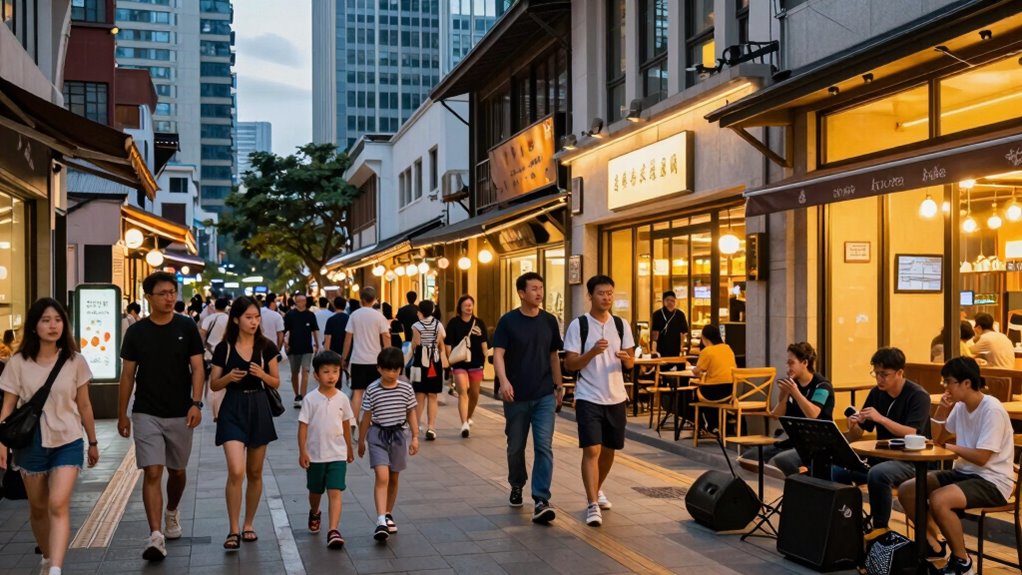
As fewer people rely on wages for income, consumer demand shifts in ways that can reshape the economy. When income inequality widens, a larger portion of the population may have limited purchasing power, leading to changes in how people spend and save. Those with higher incomes tend to have different savings behaviors—they often save a significant portion of their earnings and spend less proportionally. Meanwhile, individuals with lower incomes may struggle to cover basic needs, reducing their overall spending. This imbalance influences the types of products and services in demand, often favoring luxury goods over essentials or vice versa, depending on the income distribution.
Income inequality alters spending and saving habits, shifting demand toward luxury or essentials depending on income distribution.
When a significant segment of the population earns less or relies on alternative income sources like savings, investments, or government aid, consumer demand becomes less predictable. People who depend heavily on savings might cut back on spending to extend their financial security, especially during uncertain economic times. Conversely, those with stable, high incomes may continue to spend at consistent levels, but their influence on overall demand diminishes if their share of total income and consumption shrinks. This shift can slow economic growth because the consumer sector drives a large part of economic activity, and when spending decreases, businesses face declining sales, which can lead to layoffs or reduced investment.
You might notice that as income inequality increases, there’s a tendency for savings behavior to change. Wealthier households tend to save more, and their spending patterns can become more detached from the broader economic reality faced by lower-income groups. When fewer people depend on wages, especially those at the lower end of the income scale, overall consumer demand can become more volatile. This volatility can make it difficult for businesses to plan and invest, as they face unpredictable demand levels and changing preferences. Additionally, the income distribution plays a crucial role in shaping these demand fluctuations, emphasizing the importance of economic equity. Recognizing these patterns can help policymakers and businesses adapt to a changing economic landscape.
Moreover, the reduction in wage reliance alters the traditional economic cycle. Instead of steady wage growth fueling consumption, demand becomes more concentrated among those with accumulated savings or investments. This shift can lead to a polarized economy where consumption is driven by a small, wealthy segment, while the majority of people cut back on spending, saving more out of necessity or caution. This trend can also contribute to a wealth gap that further influences savings and spending behaviors. Over time, this trend can deepen income inequality, further influencing savings behavior and perpetuating a cycle where consumer demand is less inclusive and more uneven. Additionally, the economic stability may be threatened as fluctuations in demand create uncertainty for markets and policymakers.
In short, when fewer people depend on wages, the economy experiences a transformation in consumer demand that hinges on income inequality and savings behavior. These factors interplay to create a landscape where spending patterns become more fragmented, impacting overall economic health and growth trajectories.
As an affiliate, we earn on qualifying purchases.
Frequently Asked Questions
How Does Automation Impact Consumer Demand in This Scenario?
Automation effects can reduce consumer demand when job displacement occurs, as fewer people have income to spend. When automation replaces jobs, you might find yourself with less money, which leads to decreased purchasing power. This decline in spending affects businesses and can slow economic growth. As automation continues, you may need to adapt by finding new skills or sources of income to maintain your purchasing power and support demand in the economy.
What Role Do Government Policies Play in Shifting Demand?
Government policies are like a steering wheel, guiding demand in new directions. By offering tax incentives, they encourage spending and investment, boosting demand even when wage reliance drops. Regulatory changes can either stimulate or restrain consumer activity, shaping how and where people spend. These policies help stabilize the economy, ensuring demand remains robust, regardless of shifts in employment patterns, and support growth through strategic incentives and rules.
How Do Luxury Markets Respond When Fewer People Rely on Wages?
When fewer people rely on wages, luxury markets often shift toward offering exclusive branding and luxury experiences that appeal to wealthier consumers. You’ll notice brands emphasizing uniqueness and prestige, targeting a smaller, affluent audience. This focus on exclusivity drives demand for high-end products and services that symbolize status. As a result, luxury markets become more selective, emphasizing personalized experiences and limited editions to attract those who seek distinctive, premium offerings.
What Behavioral Changes Occur Among Consumers With Increased Savings?
When your savings increase, your spending habits typically shift toward more cautious or strategic choices. You might prioritize saving for future goals rather than immediate consumption, leading to decreased demand for non-essential goods. This change in savings behavior often results in more deliberate purchases, focusing on quality over quantity, and possibly a rise in investments or experiences. Overall, increased savings tend to make you more financially secure and less dependent on regular wages for consumption.
How Might This Trend Affect Small Businesses Differently?
As consumer demand drops, small businesses may struggle more, risking reduced sales and cash flow issues. You might notice decreased resilience in small businesses that rely heavily on local demand, which can slow down local economic growth. When fewer people depend on wages, overall spending declines, impacting small business sustainability. To adapt, you need to focus on diversifying offerings and strengthening local community ties to bolster resilience.
As an affiliate, we earn on qualifying purchases.
Conclusion
When fewer people rely on wages, your entire economy could turn upside down—think of consumer demand shrinking faster than a balloon at a porcupine party! Suddenly, your favorite stores might close, and your dreams of shopping sprees vanish into thin air. It’s like trying to fill a bathtub with a teaspoon! So, remember, when wage dependence drops, your shopping cart might just become a ghost town—spooky but true!
As an affiliate, we earn on qualifying purchases.
As an affiliate, we earn on qualifying purchases.
Halloween Picks
halloween
As an affiliate, we earn on qualifying purchases.