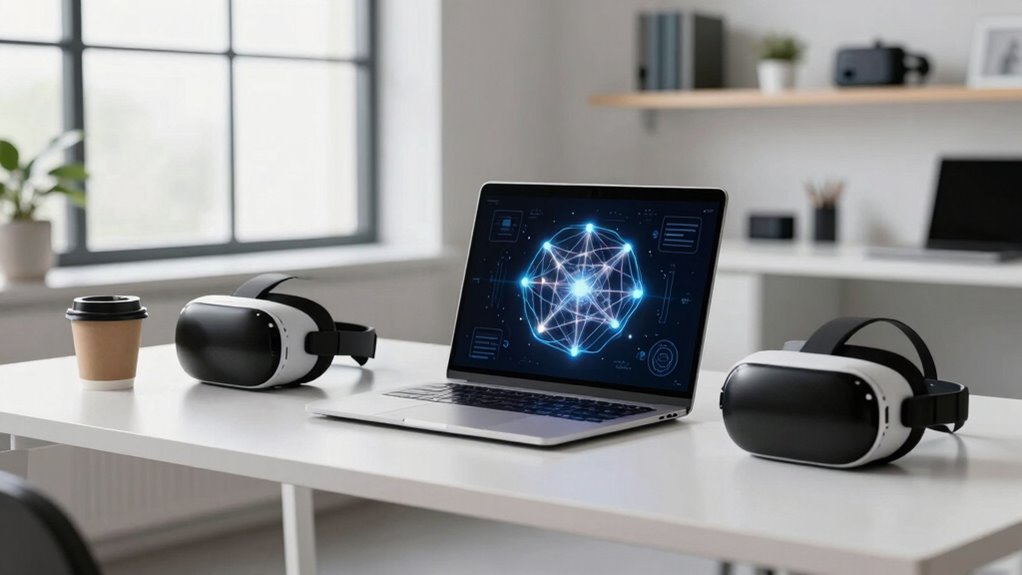
Discover how the new household capital stack—desk, chair, screen, power, and storage—can transform your workspace for ultimate comfort and productivity.
Keen shifts in policy reflect the end of full employment as a societal ideal, prompting questions about future economic stability and social support systems.
Absolutely investing in durable office goods can safeguard your productivity during uncertain times—discover why resilience in supplies is essential now.
Stability is now key for the future-of-work consumer, shaping how businesses must adapt to meet evolving trust and reliability expectations—find out how.
Why reliable power and storage are crucial for remote work, ensuring seamless productivity and data security, and uncover how to stay resilient in any situation.
Luring as they may seem, the best work purchases often resemble lifestyle upgrades, but their true value lies in how they can transform your career—discover how.
Experts project memory prices will stay high until at least 2028, with relief possibly delayed until 2029 due to industry capacity constraints and demand trends.