
TL;DR

Get business pricing on tech for your team
- Business-only prices and quantity discounts
- Tax-exempt purchasing
- Multiple users, one account, clear invoices
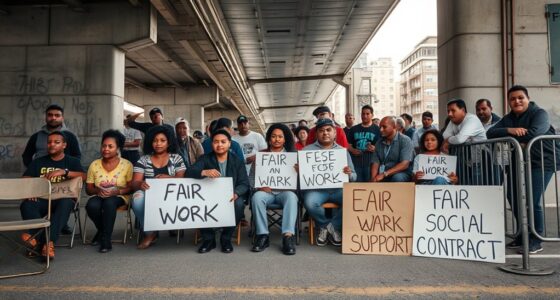
Pennsylvania residents held a town hall to criticize the state’s support for data center projects, citing environmental, utility, and community concerns. Officials say they are implementing measures to address these issues, but opposition remains strong.
Residents in Pennsylvania held a town hall to criticize the state’s support for data center projects, claiming their concerns about environmental impact, utility costs, and community disruption are being ignored. The protests highlight growing opposition to the infrastructure expansion, which is supported by Governor Josh Shapiro but faces mounting local resistance.
During the two-hour town hall, approximately 20 speakers voiced their frustrations, alleging that data center developments threaten local water supplies, increase electricity prices, and generate noise pollution. Kelly Donia, a resident of East Whiteland Township, accused the governor of losing her support due to his backing of these projects. She stated, “He is losing his base. I want him to hear this loud and clear.”
Supporters, including government officials, emphasize that the state is implementing measures to mitigate these impacts. Spokesperson Rosie Lapowsky explained that the state requires companies seeking tax credits and fast permits to meet strict standards on transparency, environmental protection, and community impact. The Public Utility Commission (PUC) has also issued guidance ensuring that utility upgrades for data centers are financed by the data centers themselves, preventing higher costs for smaller consumers.
Why It Matters
This controversy underscores the broader national debate over data center proliferation and its environmental and social impacts. As Pennsylvania balances economic benefits from data center investments with local community concerns, the outcome could influence future policies on infrastructure development and environmental regulation.
data center noise reduction equipment
As an affiliate, we earn on qualifying purchases.
As an affiliate, we earn on qualifying purchases.
Background
Data centers have become a major economic driver in Pennsylvania, especially after a 2021 law offering tax incentives to developers. However, community opposition has grown due to reports of water overuse, noise, and increased utility costs. Similar issues have arisen in other states, such as Georgia, where a data center used 29 million gallons of water in just 15 months, causing low water pressure for residents.
“I want him to hear this loud and freaking clear. I’m going to make it my job to make sure that man never gets elected again for any office.”
— Kelly Donia
“If companies want the Commonwealth’s full support — including access to tax credits and faster permitting — they must meet strict expectations around transparency, environmental protection, and community impact.”
— Rosie Lapowsky
“One of the reasons the state has been experiencing an inflow of data center investments is because of a 2021 law that gave tax breaks to their developers.”
— State Representative Jamie Walsh
“We want to introduce a bill that will put a three-year moratorium on all projects in the state.”
— State Senator Katie Muth
water overuse monitoring sensors
As an affiliate, we earn on qualifying purchases.
As an affiliate, we earn on qualifying purchases.
What Remains Unclear
It remains unclear how the state government will balance economic development with community concerns in the long term. The proposed moratorium bill is still in discussion, and the actual environmental and utility impacts of current data centers are ongoing and not fully quantified.
energy-efficient cooling systems for data centers
As an affiliate, we earn on qualifying purchases.
As an affiliate, we earn on qualifying purchases.
What’s Next
Next steps include legislative consideration of the moratorium bill, further community protests, and potential modifications to development regulations. Officials are expected to continue assessing environmental impacts and utility costs as data center projects proceed.
As an affiliate, we earn on qualifying purchases.
Key Questions
What specific environmental impacts are residents concerned about?
Residents cite water overuse, noise pollution, and increased electricity demand as primary concerns, with some projects consuming millions of gallons of water and generating significant noise near homes.
What measures is the Pennsylvania government taking to address these concerns?
The state has issued guidance requiring utility providers to finance infrastructure upgrades themselves and has linked project support to strict environmental and community impact standards.
What is the proposed legislative response to the opposition?
State Senator Katie Muth is proposing a three-year moratorium on new data center projects to allow for review and potential regulation adjustments.
How does this controversy compare to other states?
Similar issues have arisen elsewhere, such as in Georgia, where water overuse by data centers has caused low water pressure, highlighting nationwide concerns over environmental impacts.
Fall Picks
fall essentials
As an affiliate, we earn on qualifying purchases.