
The first post-labor politics will be driven by access to digital tools and information, not traditional theories or institutions. Your ability to connect, organize, and participate online will determine your influence. Digital activism bypasses old gatekeepers, empowering individuals like you to shape policies and challenge narratives. As access becomes the key battleground, those who leverage digital spaces effectively gain more power. If you want to understand how this shift affects you, keep exploring the changing landscape.
Open a free Amazon Business account
Business pricing, bulk buying and tax-exempt orders.
As an affiliate, we earn on qualifying purchases.
Key Takeaways
- Digital activism shifts political power to individuals, emphasizing access to technology over traditional labor-based influence.
- Online platforms enable grassroots organizing, making access to digital tools crucial for political engagement.
- Digital literacy and cybersecurity are essential skills for effective participation in the evolving political landscape.
- Power now depends on connectivity and storytelling, reducing reliance on formal political expertise and institutions.
- Future political battles will prioritize removing barriers to digital access, fostering inclusive participation over ideological debates.
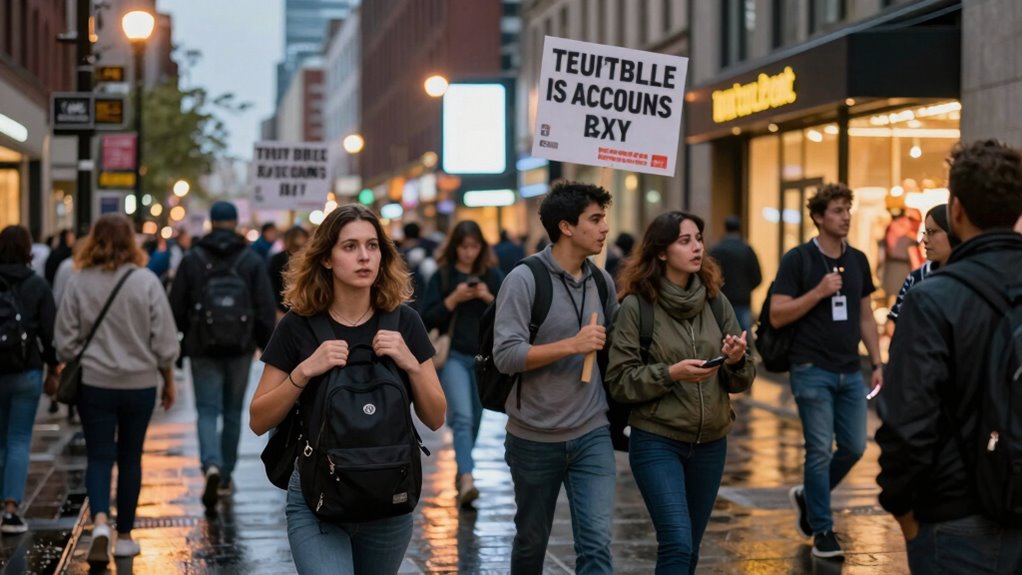
Have we entered a new era in politics where access matters more than abstract theories? It’s a question that resonates more than ever as power shifts from traditional institutions to the hands of everyday people. Today, the battleground isn’t just about ideologies or complex policy debates; it’s about who can genuinely connect, share, and mobilize in real time. Digital activism has revolutionized this landscape, enabling you to bypass old gatekeepers and engage directly with causes that matter. Social media platforms, messaging apps, and online forums give you the tools to amplify your voice instantly, making access a vital currency in political influence. The focus has shifted from lofty debates to tangible participation, where your ability to reach others and organize at the grassroots level determines the strength of your movement.
Grassroots organizing is no longer confined to physical meetings or traditional town halls. It now flourishes in digital spaces, where you can coordinate protests, spread awareness, and build communities with a few clicks. This shift democratizes power, allowing you to challenge established narratives and push for change from the bottom up. The importance of access is clear—you don’t need to be part of a political elite to make a difference. Instead, your online presence and ability to rally others can shape policy discussions, influence public opinion, and even pressure institutions to listen. The rise of digital platforms has made access to information more critical than ever in shaping political outcomes. This new politics is about removing barriers that once limited participation, turning every individual into a potential agent of change. As technology continues to evolve, the significance of digital tools in mobilizing collective action becomes increasingly apparent. Additionally, digital literacy plays a crucial role in empowering individuals to effectively leverage these platforms for activism. Furthermore, understanding how to navigate cybersecurity is essential to protect your efforts and maintain trust within digital communities. Recognizing that access to technology is fundamental ensures no one is left behind in this digital revolution of political engagement.
In this environment, the emphasis on access over theory is profound. It’s not enough to understand the complexities of policy; you need to be able to actively participate in shaping it. Digital activism provides the infrastructure for this participation, giving you tools to create campaigns, share stories, and mobilize supporters quickly. Grassroots organizing amplifies these efforts, turning online engagement into tangible action. Power is now measured by your capacity to connect with others, to organize campaigns, and to sustain momentum. As a result, the traditional notions of political expertise and access to institutional channels lose their dominance. Instead, the real power lies in your ability to leverage digital spaces for collective action. In this new era, access is everything—it’s the front line where the future of politics will be fought and won.
As an affiliate, we earn on qualifying purchases.
Frequently Asked Questions
How Will Access Issues Influence Future Political Debates?
Access issues will heavily influence future political debates, especially around digital inclusion and data sovereignty. You’ll see fights over who gets fair access to technology and how personal data is controlled. As more services move online, ensuring everyone’s digital rights becomes essential. People will push for policies that guarantee equal access and protect their data, making these issues central to political conversations and decisions moving forward.
What Specific Access Rights Are Most Contested Post-Labor?
You’ll find digital inclusion and data ownership at the center of post-labor access debates. People fiercely contest who can connect to the internet and access essential services, emphasizing digital inclusion. Simultaneously, data ownership rights spark fights over control of personal information, privacy, and benefits derived from data use. These issues determine who truly benefits from technological advancements, shaping future political battles over equitable access and control.
How Does Access Differ From Traditional Labor Rights?
Access differs from traditional labor rights by focusing on digital inclusion and information equity rather than workplace protections. You’re contesting who can reach essential digital tools and resources, ensuring everyone has equal opportunity to participate in the digital economy. Unlike traditional labor rights, which centered on physical workplace conditions, post-labor access rights emphasize bridging the digital divide, making sure marginalized communities aren’t left behind in information flow and technology use.
Who Are the Main Stakeholders in Access-Focused Politics?
Who truly holds the keys to digital inclusion and privacy protections? You are a main stakeholder, along with government agencies, tech companies, and marginalized communities. These groups fight for equal access to technology and safeguarding personal data. Without your voice, policies may overlook real needs. Are you advocating for digital rights that guarantee everyone, regardless of background, can access and benefit from new technologies?
Can Access Priorities Shift Political Power Structures?
Yes, access priorities can shift political power structures. When you improve digital literacy and expand civic participation, you empower more people to engage with politics and influence decision-making. As more individuals access information and platforms, existing power dynamics may change, giving previously marginalized groups a stronger voice. This shift can lead to a more inclusive political landscape, where access becomes a key factor in shaping power relations.
online grassroots organizing platform
As an affiliate, we earn on qualifying purchases.
As an affiliate, we earn on qualifying purchases.
Conclusion
As you stand at the crossroads of this new political landscape, imagine a vast open field stretching before you—paths carved by access rather than abstract ideas. The future isn’t about lofty theories but about opening doors, opening gates, and making space for all. Feel the weight of possibilities beneath your feet, the breeze of change brushing past. In this shift, your actions will shape the terrain, turning access into the foundation of tomorrow’s politics.
As an affiliate, we earn on qualifying purchases.
As an affiliate, we earn on qualifying purchases.
Flea & tick season Picks
flea and tick prevention
As an affiliate, we earn on qualifying purchases.