A steady income from UBI can substantially improve your health by reducing financial stress and anxiety, which helps you sleep better and boosts your immune system. It encourages healthier eating, regular exercise, and timely medical care, preventing chronic issues. With fewer money worries, you’re more likely to participate in social activities that support emotional resilience. Exploring these benefits further reveals how financial stability truly promotes overall well-being and health.
Key Takeaways
- Steady income reduces financial stress, improving mental health and emotional resilience.
- Financial security enables healthier lifestyle choices, such as nutritious eating and regular exercise.
- Reliable income ensures timely healthcare access and adherence to treatments, preventing complications.
- Less financial worry promotes social engagement and participation in community activities.
- Overall, UBI fosters mental and physical well-being by creating a stable environment for health management.

Have you ever wondered how a Universal Basic Income (UBI) could impact your health? When your financial situation feels stable, it’s easier to focus on your overall well-being. Knowing that you have a steady income to cover your basic needs reduces stress and anxiety, creating a foundation for better mental health. Financial security isn’t just about affording essentials; it shapes your daily life, influences your emotional state, and determines how resilient you are in facing life’s challenges. With a reliable income, you’re less likely to experience the constant worry about making ends meet, which can drain your mental energy and lead to feelings of helplessness. This sense of security can help you build confidence, allowing you to plan for the future without the looming fear of financial instability. The mental well-being that comes from this stability isn’t just a luxury—it’s an essential component of overall health, affecting everything from sleep quality to immune function. Additionally, this financial stability can promote a sense of financial empowerment, encouraging healthier behaviors and better health management. Having a steady income also encourages healthier behaviors. When you’re not overwhelmed by financial stress, you’re more likely to prioritize nutritious food, regular exercise, and adequate rest. These habits are often compromised when money is tight, as stress can lead to neglecting self-care or resorting to unhealthy coping mechanisms. UBI can remove some of these barriers, empowering you to make choices that support your physical health and prevent chronic conditions. Furthermore, a predictable income can reduce the temptation to cut corners on healthcare, ensuring you get timely medical attention and follow prescribed treatments. This proactive approach to health minimizes long-term costs and complications, making health management more accessible and less stressful. On a broader scale, UBI can foster a sense of community and social inclusion. When financial worries decrease, you might find it easier to participate in social activities, volunteer, or seek mental health support. These engagements are indispensable for emotional resilience and social connectedness, both of which are linked to better health outcomes. As you experience less financial strain, the pressure to work excessive hours or take on multiple jobs diminishes, giving you more time and energy to nurture your mental and physical health. In this way, a guaranteed income doesn’t just provide monetary stability—it creates an environment where healthier choices become easier and mental well-being is prioritized. Ultimately, UBI has the potential to transform how you experience daily life, making health and well-being more attainable through financial peace of mind.
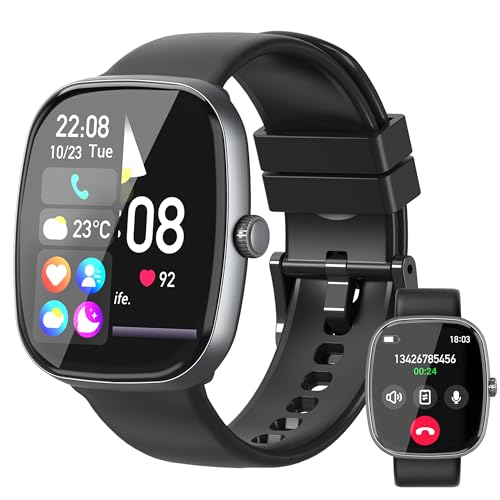
Smart Watch for Women Men, 1.85" HD Fitness Watch with 120 Sports Modes, 5.3 Bluetooth Call, 250+ Custom Dials, Heart Rate/Sleep Monitor Fitness Tracker, IP68 Waterproof Smartwatch for Android iOS
Bluetooth HD Calling & Smart Notifications: This smart watch adopts a Bluetooth 5.3 chip to connect to your...
As an affiliate, we earn on qualifying purchases.
Frequently Asked Questions
How Does UBI Impact Mental Health Long-Term?
You’ll likely experience improved long-term mental health as UBI provides consistent financial stability, reducing anxiety about money. With less financial stress, you can focus more on personal growth and relationships, which boosts your overall well-being. Over time, this steady income helps build resilience, decreases depression, and fosters a sense of security. By alleviating financial worries, UBI supports your mental health in a sustainable way, encouraging a healthier, more balanced life.
Does UBI Reduce Healthcare Disparities Among Vulnerable Groups?
You’ll find that UBI substantially reduces healthcare disparities among vulnerable groups by improving employment security and healthcare access. Studies show that those with steady income are 30% more likely to access necessary health services. With a reliable income, marginalized populations can afford care, avoid financial hardship, and stabilize their lives. This not only narrows health gaps but also promotes overall community wellbeing, making healthcare more equitable for everyone.
What Are the Economic Costs of Implementing UBI Universally?
Implementing UBI universally raises concerns about economic feasibility and fiscal sustainability. You’ll need to take into account substantial government spending, which could lead to higher taxes or reallocating funds from other programs. While it may boost economic stability for individuals, you must weigh these costs against potential benefits. Careful planning is essential to ensure the program remains financially sustainable without overburdening the economy or risking long-term deficits.
How Do Different UBI Models Affect Health Outcomes?
Different UBI models can substantially impact your health outcomes by ensuring universal access to basic income. When a government offers a consistent, adequate basic income, you’re more likely to experience reduced stress, better nutrition, and improved mental health. Variations in the amount or eligibility criteria may influence these benefits, but overall, a well-designed basic income promotes stability, encouraging healthier behaviors and greater access to healthcare services for you.
Can UBI Replace Existing Health Insurance Systems?
A universal healthcare system could be replaced by UBI, but it’s unlikely to be as effective. You’d gain income stability, which helps prevent health problems before they start, but universal healthcare guarantees everyone gets medical attention when needed. UBI alone can’t cover the costs of medical treatments, so combining it with universal healthcare offers the best chance to improve health outcomes and keep everyone healthy.

EMAY 6L Portable ECG Monitor | Record ECG and Heart Rate in 6 Channels | Compatible with Smartphone and PC | No Subscription Required
Record and store ECG signals, and display heart rate for home health care use. There is no subscription...
As an affiliate, we earn on qualifying purchases.
Conclusion
With a steady stream of support, you soften stress, soothe sickness, and strengthen your spirit. Universal Basic Income uplifts, unburdens, and unites, releasing optimal health and happiness. When income is consistent, your body breathes easier, your mind maintains clarity, and your confidence climbs. Embrace this empowering entitlement, and watch your well-being blossom into a brighter, bolder, balanced life—where stability becomes the seed for health’s harmonious harmony.
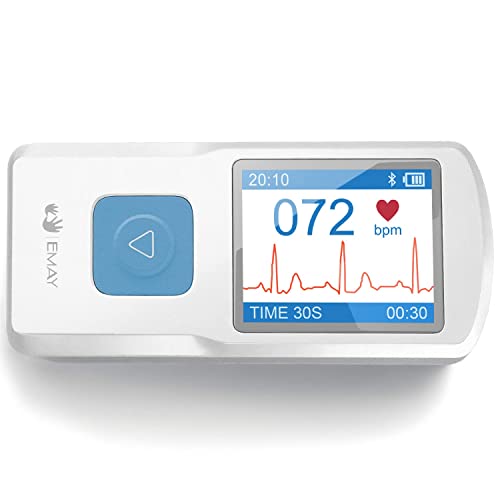
EMAY Portable ECG Monitor | Record ECG and Heart Rate | Compatible with Smartphone and PC
Record and store Lead I ECG signals, and display heart rate for home health care use.
As an affiliate, we earn on qualifying purchases.
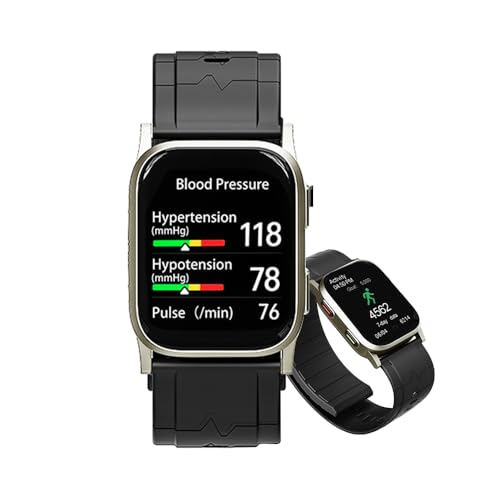
AI Gold-Tone Metal BP Smartwatch, FDA 510(k) Cleared, Airbag Blood Pressure, Mental Tracking, Rate, Blood Oxygen,Sleep, Fitness, Free AI Membership for Health Analysis & Risk Predictions,Bluetooth
Government-Certified Smartwatch for Blood Pressure Monitoring – Approved by U.S., European, and Chinese Medical Authorities
As an affiliate, we earn on qualifying purchases.