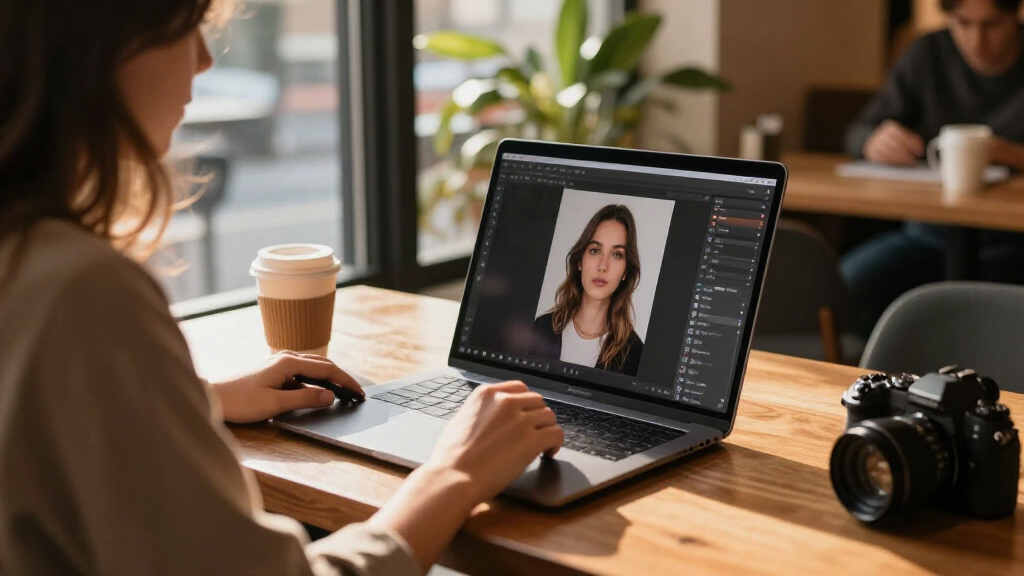
AI photo editing software now spans everything from one-click enhancers to full RAW workflow suites, and the gap between them is wider than most buyers expect. Adobe Lightroom earns the top spot for its combination of AI masking, cloud sync, and a subscription model that keeps features current. Luminar AI stands out for genuine AI-first automation, while Corel PaintShop Pro delivers a strong one-time-purchase alternative for photographers who refuse to pay monthly. The main tradeoffs in this category come down to subscription versus perpetual licensing, how deep the AI tools actually go versus marketing claims, and whether your software can handle RAW files from your camera. Read on for the full breakdown of all 13 options.

Get business pricing on tech for your team
- Business-only prices and quantity discounts
- Tax-exempt purchasing
- Multiple users, one account, clear invoices
Key Takeaways
- Subscription products (Lightroom 12- and 24-month plans) offer the most current AI features but cost more over three years than any perpetual license in this lineup.
- Perpetual-license options like PaintShop Pro and AfterShot Pro 3 avoid recurring fees but risk slower AI feature updates as vendors prioritize subscription tiers.
- The lineup contains near-duplicates — PhotoDirector appears three times and AfterShot twice — so buyers should compare editions carefully rather than assuming each listing is a distinct product.
- Only a handful of options support true RAW editing; entry-level picks like PhotoPad trade RAW handling and AI depth for simplicity and low cost.
- Adobe Photoshop Elements & Premiere Elements is the only option bundling photo and video editing, making it the outlier pick for student and hybrid content projects.
| Corel AfterShot Pro 3 RAW Photo Editing Software for PC and Mac |  | Best Subscription-Free RAW Editor | Software type: RAW photo editing and management | Compatibility: PC and Mac | License model: Subscription-free | VIEW LATEST PRICE | See Our Full Breakdown |
| CyberLink PowerDirector 2026 and PhotoDirector 2026 for Windows |  | Best Photo-and-Video Bundle | Included software: CyberLink PowerDirector 2026 and PhotoDirector 2026 | License: Lifetime license for both applications | Operating system: Windows 10/11 (64-bit) | VIEW LATEST PRICE | See Our Full Breakdown |
| Corel AfterShot 3 Photo Editing and Management Software for PC and Mac |  | Best Budget-Friendly Organizer | Platforms: Windows and Mac | Windows compatibility: Windows 7, 8, 8.1, 10, or 11 (64-bit) | Mac compatibility: macOS X 10.9 or later (64-bit) | VIEW LATEST PRICE | See Our Full Breakdown |
| PhotoPad Photo Editing Software | 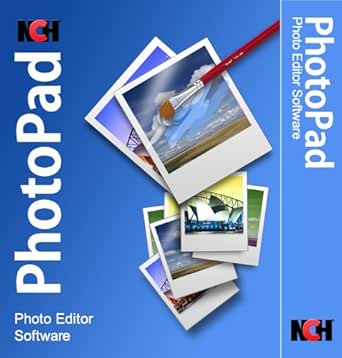 | Best for Simple Everyday Fixes | Product type: Photo editing software | Format: Download | Editing tools: Crop, rotate, resize, flip, touch-up, and color adjustments | VIEW LATEST PRICE | See Our Full Breakdown |
| Adobe Lightroom 1TB, 24-Month Subscription for PC and Mac |  | Best AI-Powered Cloud Workflow | Subscription length: 24 months | Compatibility: PC and Mac | Cloud storage: 1TB included | VIEW LATEST PRICE | See Our Full Breakdown |
| CyberLink PhotoDirector 2026 Photo Editor for Windows |  | Best All-in-One AI Editor | Software type: Photo editing | Platform: Windows | Version: 2026 | VIEW LATEST PRICE | See Our Full Breakdown |
| Adobe Lightroom 1TB, 12-Month Subscription for PC and Mac |  | Best for Workflow Across Devices | Subscription term: 12 months | Cloud storage: 1TB | Included apps: Lightroom and Lightroom Classic | VIEW LATEST PRICE | See Our Full Breakdown |
| Photo Suite Photo Editing Software for Windows 11 and 10 |  | Best Value for Casual Projects | Compatibility: Windows 11 and Windows 10 | Delivery: Product key card with download link and license key | Editing features: Photo editing and image adjustment | VIEW LATEST PRICE | See Our Full Breakdown |
| PhotoPad Photo Editing and Image Editor for PC | 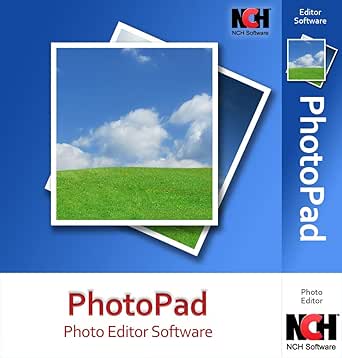 | Best for Simple Fixes | Platform: PC | Delivery format: Digital download | Core adjustments: Color balance, crop, rotate, resize | VIEW LATEST PRICE | See Our Full Breakdown |
| Luminar AI Photo Editing Software for Mac and Windows, 2 Seats |  | Best One-Click AI Enhancement | Platform: Mac and Windows 10 | License: 2 seats | AI tools: SkyAI, FaceAI, SkinAI, BodyAI, AtmosphereAI | VIEW LATEST PRICE | See Our Full Breakdown |
| CyberLink PhotoDirector 2026 Photo Editing Software for Windows |  | Best AI Toolkit on a Budget | Platform: Windows | Edition: 2026 | Format: Box with download code | VIEW LATEST PRICE | See Our Full Breakdown |
| Corel PaintShop Pro 2023 Photo Editing and Graphic Design Software for PC |  | Best Subscription-Free Power Editor | Platform: PC (Windows only) | Operating system: Windows 10 (64-bit) or Windows 11 | Minimum RAM: 4 GB | VIEW LATEST PRICE | See Our Full Breakdown |
| Adobe Photoshop Elements & Premiere Elements 2026 Student and Teacher Edition, 3-Year License for PC and Mac | 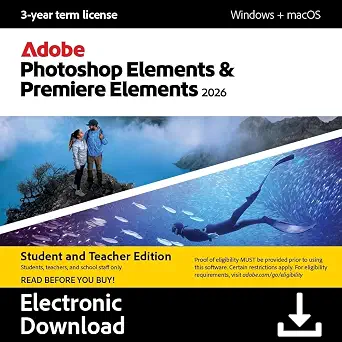 | Best for Students and Teachers | Software: Photo and video editing | Edition: Student and Teacher | License term: 3 years from redemption | VIEW LATEST PRICE | See Our Full Breakdown |
More Details on Our Top Picks
Corel AfterShot Pro 3 RAW Photo Editing Software for PC and Mac
Corel AfterShot Pro 3 stands out for photographers who want a one-time-purchase RAW workflow rather than a monthly bill. Compared with Adobe Lightroom, you give up cloud syncing and AI-powered generative tools, but you gain full control over your library locally and a customizable workflow that serious shooters can bend to their preferences. The batch processing engine is the real draw here — applying presets, watermarks, and corrections across hundreds of files at once saves hours on event or wedding shoots.
The tradeoff is that RAW support varies by camera model, so it’s worth checking the compatibility list before committing. There’s also no AI masking or object removal like CyberLink PhotoDirector offers, meaning retouching stays largely manual. This pick makes the most sense for budget-conscious photographers who process in volume.
Pros:- Subscription-free license with no recurring fees
- Powerful batch processing for editing many photos at once
- Customizable workflow and image presets
- Highlight recovery and blemish removal built in
Cons:- Supported camera RAW profiles vary; compatibility must be checked first
- No AI-powered generative or masking features
Best for: Photographers with large RAW libraries who want batch processing without subscription fees
Not ideal for: Anyone wanting AI-driven object removal or generative editing tools — AfterShot Pro 3 keeps things manual
- Software type:RAW photo editing and management
- Compatibility:PC and Mac
- License model:Subscription-free
- Key features:Batch processing, camera profiles, highlight recovery, blemish removal, watermarking, image presets
- Workflow:Customizable
- Watermarking:Included
Our verdict“A strong choice for high-volume RAW shooters who’d rather own their software than rent it from Adobe.”
CyberLink PowerDirector 2026 and PhotoDirector 2026 for Windows
This pairing of PowerDirector 2026 and PhotoDirector 2026 is the rare bundle that genuinely serves content creators working in both stills and video. Where standalone editors like Corel AfterShot Pro 3 focus purely on photography, this package throws in screen and webcam recording, making it a natural fit for YouTubers and course creators. The AI object masking and removal tools in PhotoDirector are the headline features — tasks that take minutes of manual masking elsewhere happen in a few clicks.
Buyers should understand two things before purchasing. First, generative AI features require separately purchased credits, so the lifetime license doesn’t cover everything on the box. Second, it’s Windows-only, which rules out Mac users entirely. Compared with the standalone PhotoDirector 2026, you’re paying a modest premium for the full video suite.
Pros:- Combines full video and photo editing in one purchase
- AI object masking, removal, and image enhancement tools
- Lifetime licenses with no recurring subscription fees
- Includes screen and webcam recording for tutorial creators
Cons:- Generative AI tools require separately purchased credits
- Windows 10/11 64-bit only; no Mac version
Best for: Windows-based content creators who edit both photos and video for YouTube, courses, or social media
Not ideal for: Mac users and anyone who only edits stills — the video half of the bundle would go to waste
- Included software:CyberLink PowerDirector 2026 and PhotoDirector 2026
- License:Lifetime license for both applications
- Operating system:Windows 10/11 (64-bit)
- Delivery format:Box with printed download code; no physical disc
- Generative AI:Requires separately purchased AI credits
- AI features:Object masking, object removal, image enhancement, batch editing
- Extras:Screen and webcam recording
Our verdict“The smartest buy for Windows creators who’d otherwise purchase photo and video editors separately.”
Corel AfterShot 3 Photo Editing and Management Software for PC and Mac
Think of Corel AfterShot 3 as the lighter sibling of AfterShot Pro 3 — same core DNA, fewer advanced frills, and a friendlier entry point. It handles the fundamentals well: organizing large photo collections, batch edits, highlight recovery, and portrait retouching across a wide range of RAW formats from ARW to NEF. For hobbyists graduating from something basic like PhotoPad, this is a sensible middle step that adds RAW support and library management without overwhelming complexity.
The compromises are real, though. It demands a 64-bit system, and an internet connection is needed for help documentation and updates. Compared with AfterShot Pro 3, you lose the deeper customizable workflow and some professional polish, so working pros will want the Pro version instead. Casual shooters who mostly share JPEGs may find it more software than they need.
Pros:- Batch processing across one or many photos
- Handles large photo collection management
- Broad RAW format support across camera brands
- Includes highlight recovery and portrait retouching
Cons:- Requires a 64-bit operating system
- Internet connection needed for online help and updates
Best for: Hobbyist photographers with growing collections who need RAW support and batch editing on a budget
Not ideal for: Casual snap-shooters who only crop and fix red-eye — PhotoPad covers that for less complexity
- Platforms:Windows and Mac
- Windows compatibility:Windows 7, 8, 8.1, 10, or 11 (64-bit)
- Mac compatibility:macOS X 10.9 or later (64-bit)
- Minimum RAM:2 GB (4 GB recommended for HDR)
- Disk space:400 MB Windows / 250 MB Mac
- Supported formats:JPG, TIFF, and RAW including ARW, CR2, DNG, NEF, ORF, RW2, and more
- License format:Key card
Our verdict“A practical step-up editor for enthusiasts who want RAW workflow fundamentals without the Pro price or Adobe subscription.”
PhotoPad Photo Editing Software
PhotoPad earns its spot by being honest about what it is: a straightforward editor for people who need to crop, resize, rotate, and touch up photos without a learning curve. Where AfterShot 3 or Lightroom assume you understand RAW files and tone curves, PhotoPad gets straight to the basics — red-eye removal, blemish fixes, and noise reduction are all one or two clicks away. The bonus collage and panorama creation tools give it a scrapbooking appeal that heavier editors don’t bother with.
This option is better suited to family photo albums than client work. There’s no RAW workflow to speak of, no batch processing on the scale of Corel’s offerings, and no AI-powered subject selection like CyberLink PhotoDirector. If your ambitions ever extend toward professional retouching, you’ll outgrow this quickly — but for fixing vacation snapshots, that limitation never surfaces.
Pros:- Simple crop, rotate, resize, and flip tools
- Touch-up features for red-eye, blemishes, and noise
- Collage and panorama creation built in
- Gentle learning curve for beginners
Cons:- No RAW file workflow for advanced photography
- Lacks batch editing and AI-powered tools found in rivals
Best for: Home users who want quick fixes, red-eye removal, and simple collages without complexity
Not ideal for: Photographers working with RAW files or needing batch processing — this lacks both
- Product type:Photo editing software
- Format:Download
- Editing tools:Crop, rotate, resize, flip, touch-up, and color adjustments
- Retouching:Red-eye, blemish, and noise removal
- Creative features:Collages and panoramas
- Skill level:Beginner-friendly
Our verdict“The right pick when your editing needs stop at quick corrections and creative collages.”
Adobe Lightroom 1TB, 24-Month Subscription for PC and Mac
For photographers who want the most capable AI editing toolkit in this lineup, Adobe Lightroom is the one to beat. Features like Generative Remove, Lens Blur, and generative upscale go well beyond what Corel AfterShot or CyberLink’s credit-gated tools offer, and the 250 monthly generative credits are bundled rather than sold separately. The killer advantage is the ecosystem: edits sync across desktop, mobile, and web with 1TB of cloud storage, so a shoot started at your desk can be finished on your phone.
The obvious tradeoff is the subscription model itself. Unlike AfterShot Pro 3’s one-time purchase, this is a 24-month commitment — and when it ends, the cloud-centric workflow doesn’t carry forward unless you renew. Photographers who dislike renting their tools, or who work offline in studios with unreliable connections, will chafe at the cloud dependency.
Pros:- Works across desktop, mobile, and web with syncing
- Advanced AI features including Generative Remove and Lens Blur
- 250 generative AI credits included monthly
- 1TB of cloud storage for photos and edits
Cons:- Subscription ends after 24 months with no perpetual license
- Cloud-centric workflow depends on ongoing Adobe service
Best for: Multi-device photographers who want cutting-edge AI tools and cloud syncing between desktop and mobile
Not ideal for: Software buyers who refuse subscriptions — a one-time purchase like AfterShot Pro 3 fits better
- Subscription length:24 months
- Compatibility:PC and Mac
- Cloud storage:1TB included
- Generative AI credits:250 per month
- Included apps:Lightroom and Lightroom Classic
- AI features:Generative Remove, Lens Blur, generative upscale
- Delivery format:Digital download
Our verdict“The strongest AI and sync experience available here, provided you’re comfortable living inside Adobe’s subscription ecosystem.”
CyberLink PhotoDirector 2026 Photo Editor for Windows
PhotoDirector 2026 earns its place near the top of this lineup by combining serious AI cleanup tools with full layer editing — a pairing most rivals at this price don’t manage. Where PhotoPad stops at basic adjustments, PhotoDirector can erase power lines and stray objects automatically, then hand you manual layer control when the AI guess needs refining. The Quick Actions feature analyzes each photo and suggests personalized edits, which saves time for anyone processing mixed batches of portraits and landscapes. Compared with Luminar AI, the retouching here covers both faces and bodies alongside denoising and deblurring, making it a broader toolkit. The main tradeoff is that it is Windows-only and sits steeper on the learning curve than template-driven editors, so casual snappers may feel the interface is more than they need.
Pros:- AI object and power line removal that saves manual cloning work
- Bundled denoising, deblurring, and face retouching cover the most common fixes
- Quick Actions analyzes photos and suggests personalized edits
- Full layer editing allows refining what AI leaves behind
Cons:- Windows-only, so Mac buyers must look elsewhere
- Layer-based workflow has a steeper learning curve than template editors like Luminar AI
Best for: Windows hobbyists and enthusiast photographers who want AI cleanup plus manual layer control in one package
Not ideal for: Mac users and absolute beginners who want one-click results without learning a layered editor
- Software type:Photo editing
- Platform:Windows
- Version:2026
- AI features:Object removal, wire removal, image enhancement
- Retouching:Face and body retouching
- Advanced editing:Layer editing and creative effects
Our verdict“This pick makes the most sense for Windows users who want AI speed without giving up manual precision.”
Adobe Lightroom 1TB, 12-Month Subscription for PC and Mac
Lightroom’s subscription stands apart from every one-time-purchase option in this roundup because it solves a problem the others ignore: keeping a photo library in sync across desktop, mobile, and web. The included 1TB of cloud storage means edits made on a phone appear instantly on your PC — something PhotoDirector 2026 and Luminar AI simply cannot replicate. With both Lightroom and Lightroom Classic included, plus AI-powered tools and 250 monthly generative credits, this option is better suited to photographers who shoot constantly and want a catalog system rather than a file-by-file editor. The real tradeoff is structural: it auto-renews, and stopping payments means losing access to the app itself, unlike the permanent licenses elsewhere on this list. Buyers who edit occasionally will pay for storage and syncing they never touch.
Pros:- Seamless editing across desktop, mobile, and web from one library
- 1TB of cloud storage with automatic photo syncing included
- Both Lightroom and Lightroom Classic cover modern and traditional workflows
- 250 monthly generative AI credits power AI editing tasks
Cons:- Subscription auto-renews, so costs accumulate over time
- Losing the subscription means losing access to the editing app, not just cloud storage
Best for: Active photographers who shoot on multiple devices and want cloud-synced editing and storage
Not ideal for: Casual or occasional editors who prefer owning software outright instead of paying indefinitely
- Subscription term:12 months
- Cloud storage:1TB
- Included apps:Lightroom and Lightroom Classic
- Platforms:PC, Mac, mobile, and web
- Generative AI credits:250 per month
- Renewal:Auto-renewal
Our verdict“Worth it for volume shooters who live across devices; skip it if you want software you own forever.”
Photo Suite Photo Editing Software for Windows 11 and 10
Photo Suite takes a different angle than the AI-heavy picks here: instead of chasing cutting-edge enhancement, it bundles everyday fixes plus project tools — collages, text, clipart, and print templates — in a single license. For someone making photo gifts, cards, or family collages, that combination is more practical than PhotoDirector 2026’s layer-based power, which is aimed at photographers rather than crafters. The batch editing feature lets you apply corrections to a whole folder at once, a capability PhotoPad handles with more limited scope, and the AI-assisted retouching handles red eyes and blemishes without much fuss. The obvious limitation: it runs only on Windows 10 and 11, and its tools stop well short of RAW editing or advanced retouching. Serious shooters should look up this list; project-minded users will find it fits their needs without paying for features they’ll never open.
Pros:- Batch editing applies fixes to multiple photos at once
- AI-powered retouching handles red eyes and blemishes quickly
- Collage, text, clipart, and print templates cover creative projects
- Simple one-time license delivered via product key card
Cons:- Compatible only with Windows 10 and 11
- Lacks RAW editing and advanced photographic controls found in PhotoDirector or Lightroom
Best for: Home users who make collages, cards, and printed photo projects on a budget
Not ideal for: Mac owners and photographers needing RAW support or advanced portrait retouching
- Compatibility:Windows 11 and Windows 10
- Delivery:Product key card with download link and license key
- Editing features:Photo editing and image adjustment
- AI features:AI-powered retouching and object removal
- Batch tools:Batch editing for multiple photos
- Creative tools:Collages, text, clipart, print templates
Our verdict“A sensible pick for casual Windows users focused on fun projects rather than professional-grade editing.”
PhotoPad Photo Editing and Image Editor for PC
Sometimes you just need to crop, straighten, and fix a red eye — and PhotoPad is built exactly for that job. Compared with Luminar AI, which leads with ambitious sky replacement and body reshaping, PhotoPad keeps things deliberately modest: color balance, cropping, rotating, resizing, plus decorative frames, filters, and touch-up tools for blemishes. That restraint is the point. There is no layer system to learn and no subscription to manage, which makes it a fit for someone who edits a handful of photos a month. Where Photo Suite leans into collages and print projects, PhotoPad stays focused on getting individual images presentable fast. The honest drawback is ceiling: the listing doesn’t advertise advanced editing capabilities, so anyone wanting object removal, denoising, or AI enhancement will outgrow it quickly and should step up to PhotoDirector 2026 instead.
Pros:- Core adjustments like color balance, crop, rotate, and resize are easy to find and use
- Creative filters, frames, and clipart add fun without complexity
- Red-eye and blemish removal handle common quick fixes
- Lightweight digital download with no subscription
Cons:- No advertised advanced capabilities like object removal or AI enhancement
- Feature set is quickly outgrown by anyone doing regular or serious editing
Best for: Casual PC users who need quick basic edits and fun filters without a learning curve
Not ideal for: Photographers wanting AI enhancement, object removal, or advanced layer-based editing
- Platform:PC
- Delivery format:Digital download
- Core adjustments:Color balance, crop, rotate, resize
- Creative tools:Text, frames, clipart, filters
- Touch-up tools:Red-eye and blemish removal
- Skill level:Beginner-friendly
Our verdict“Choose this if simple, occasional touch-ups are all you need; move up the list the moment you want AI tools.”
Luminar AI Photo Editing Software for Mac and Windows, 2 Seats
Luminar AI is the most aggressive AI-first option in this batch. Its named tools — SkyAI, FaceAI, SkinAI, BodyAI, AtmosphereAI — detect scene elements and enhance them automatically, so replacing a dull sky or smoothing skin takes a click rather than a masking session. Against PhotoDirector 2026, Luminar trades away layer editing and manual depth in exchange for speed and simplicity; that makes it a better match for portrait and landscape shooters who want dramatic results without a steep learning curve. The template system applies whole styles to a photo, which pairs well with the two-seat license covering a Mac and a Windows machine in one household — cross-platform flexibility that Photo Suite and PhotoDirector can’t offer. The flip side of all that automation is control: photographers who like to fine-tune every adjustment manually may find the AI’s decisions heavy-handed and the workflow limiting.
Pros:- Specialized AI tools for skies, faces, skin, bodies, and atmosphere
- Templates apply complete photo styles in one step
- Two-seat license covers two computers, including mixed Mac and Windows setups
- Designed for ease of use with a short learning curve
Cons:- AI-driven automation limits fine manual control over edits
- Requires a compatible Mac or Windows 10 machine and lacks the layer workflow of PhotoDirector
Best for: Portrait and landscape photographers on Mac or Windows who want fast, automated AI results
Not ideal for: Detail-oriented editors who prefer manual masks, layers, and full control over every adjustment
- Platform:Mac and Windows 10
- License:2 seats
- AI tools:SkyAI, FaceAI, SkinAI, BodyAI, AtmosphereAI
- Developer:Skylum
- Style tools:Photo templates
- Ease of use:Designed for beginners and quick workflows
Our verdict“Ideal for cross-platform shooters who prioritize speed and dramatic one-click results over manual precision.”
CyberLink PhotoDirector 2026 Photo Editing Software for Windows
PhotoDirector 2026 packs one of the widest AI toolsets in this roundup, covering object removal, wire removal, background replacement, face and body retouching, and generative AI — a spread that Luminar AI can’t match for retouching breadth. Compared with PhotoPad, the layer editing and batch processing make it far more viable for anyone handling whole photo sets rather than single images. The tradeoff is the credit system: generative features draw on AI credits sold separately, so the sticker price understates real long-term cost if generative fills become a habit. It’s also Windows-only, unlike AfterShot Pro 3, which runs on Mac too. This pick makes the most sense for Windows users who want near-premium AI automation without a subscription, provided they accept metered generative tools.
Pros:- Broad AI toolset spanning object removal, retouching, and background replacement
- Batch editing handles large photo sets efficiently
- Layer editing adds manual control beyond automated tools
- Generative AI options for creative expansion and fills
Cons:- Generative AI features require separately purchased credits
- Windows-only, with no Mac version
Best for: Windows photographers who want AI retouching, background removal, and batch editing in a one-time purchase
Not ideal for: Mac users, or anyone who expects unlimited generative AI without ongoing credit purchases
- Platform:Windows
- Edition:2026
- Format:Box with download code
- AI features:Object removal, image enhancement, wire removal, background removal, color enhancement, generative AI tools
- Editing features:Batch editing, face and body retouching, layer editing, effects, design tools
- AI credits:Purchasable separately
Our verdict“A strong one-time-purchase choice for Windows editors who want deep AI tooling — as long as metered generative credits don’t become a recurring cost.”
Corel PaintShop Pro 2023 Photo Editing and Graphic Design Software for PC
Where Adobe’s entries in this guide lean on timed licenses or recurring plans, PaintShop Pro 2023 is a perpetual license that never nags for renewal — the standout reason it ranks here. It pairs photo correction, RAW and HDR editing, layers, and masks with genuine graphic design tools, so it replaces two apps for hobbyists who also make cards, logos, or marketing graphics. Compared with PhotoDirector 2026, its AI is less flashy, but its PSD compatibility and third-party plug-in support appeal to editors graduating from Adobe workflows. The requirements demand some hardware: 8 GB of RAM for AI features, and internet is required for installation and authentication, which irks offline users. It’s also Windows-only and, at the 2023 edition, a step behind the newest AI rivals.
Pros:- Perpetual license with no subscription or renewal fees
- Doubles as photo editor and graphic design suite
- Supports RAW, HDR, PSD files, plug-ins, and graphics tablets
- Customizable workspaces adapt to skill level
Cons:- Requires 64-bit Windows and 8 GB RAM for AI features
- Internet connection needed for installation and authentication
- Older 2023 feature set trails newer AI-driven rivals
Best for: Windows hobbyists and small-business owners who want photo editing plus graphic design with no subscription
Not ideal for: Mac users and those on older 32-bit or low-RAM machines, or anyone wanting the newest generative AI features
- Platform:PC (Windows only)
- Operating system:Windows 10 (64-bit) or Windows 11
- Minimum RAM:4 GB
- Recommended RAM:8 GB for AI features
- Storage:3 GB minimum; 4 GB recommended
- Display resolution:1366 × 768 minimum
- Languages:English, French, German, Italian, Spanish, Dutch, Traditional Chinese, Japanese
- Internet:Required for installation, authentication, online features
Our verdict“The smart buy for Windows users who resent subscriptions and want one app for both photo and design work.”
Adobe Photoshop Elements & Premiere Elements 2026 Student and Teacher Edition, 3-Year License for PC and Mac
This bundle stands apart by combining Photoshop Elements and Premiere Elements — photo and video editing in one discounted academic package, something no other pick here offers. Its Quick, Guided, and Advanced modes make it genuinely approachable for beginners, while Guided edits teach real techniques rather than hiding them, a friendlier learning curve than PaintShop Pro’s denser interface. The three-year term with no automatic renewal keeps costs predictable for a degree’s duration. That same term is the tradeoff: unlike the perpetual PaintShop Pro license, access ends unless you repurchase, and activation is required to verify academic eligibility. It runs on both PC and Mac, unlike PhotoDirector or PaintShop Pro, but full-resolution professionals will still outgrow its simplified toolset.
Pros:- Bundles both photo and video editors at academic pricing
- Quick, Guided, and Advanced modes suit all skill levels
- Cross-platform support for PC and Mac
- Media organization with automatic tagging and face recognition
Cons:- License expires after three years with no grandfathered access
- Activation and academic verification required
- Simplified toolset limits advanced professional workflows
Best for: Students and teachers who need capable photo and video editing for coursework on either platform
Not ideal for: Working professionals or hobbyists wanting permanent software, since access expires after three years
- Software:Photo and video editing
- Edition:Student and Teacher
- License term:3 years from redemption
- Renewal:No automatic renewal
- Compatibility:PC and Mac
- Activation:Required
- Delivery:Online code
Our verdict“The clear pick for verified students and teachers who want Adobe photo and video tools across platforms for the length of a degree — not for anyone wanting software they keep forever.”

How We Picked
My ranking logic starts with one question: how much editing work does the AI actually remove from the photographer? Products earned higher placements when their AI tools — subject masking, sky replacement, noise reduction, portrait retouching — produced results that held up without manual correction. I then weighed RAW support depth, since serious photographers need native handling of their camera files, not JPEG-only workflows.
From there, I scored each option on value over time, comparing subscription costs against perpetual licenses across a realistic three-year ownership window. Usability mattered too: a tool with fewer AI features but a gentle learning curve ranks above a powerful editor that overwhelms casual users. Finally, I factored in platform compatibility, licensing flexibility (seats, devices, student eligibility), and how actively each vendor updates the product. The near-duplicate entries in this category — multiple PhotoDirector and AfterShot editions — were ranked against each other to clarify which version deserves your money.
Factors to Consider When Choosing AI Photo Editing Software
Choosing AI photo editing software comes down to matching the tool to your actual workflow — not chasing the longest feature list. These are the factors that most often decide whether a purchase pays off or gathers digital dust.Subscription vs. Perpetual License
This is the single biggest fork in the road, and it is more than a pricing preference. Subscriptions like Lightroom keep AI models current — Adobe pushes new masking and denoise capabilities continuously, so the tool you use in year two is meaningfully smarter than the one you bought. Perpetual licenses like PaintShop Pro, AfterShot, and Photoshop Elements cost once and keep working forever, but many vendors lock their newest AI features behind upgrade purchases. A common mistake is buying perpetual software and then paying near-full price for annual upgrades anyway, erasing the savings. If you edit weekly and depend on cutting-edge automation, subscriptions usually win; if you edit occasionally or resent recurring charges, perpetual makes more sense. Also check seat counts — Luminar’s two-seat license covers a desktop and laptop, while some competitors license one machine only.
Real RAW Support, Not a Checkbox
Many budget editors advertise RAW compatibility but only deliver basic conversion, leaving you without lens corrections, fine highlight recovery, or support for new camera models. Before buying, verify that the software lists your specific camera’s RAW files as supported — this is where AfterShot Pro 3 and Lightroom separate themselves from entry-level tools like PhotoPad. RAW editing also demands more from your hardware: large files plus AI processing can strain older machines, especially with noise reduction. Casual shooters working from phone photos can safely skip RAW support entirely and save money. But if you shoot in RAW for landscape, event, or client work, weak RAW handling will frustrate you within weeks, no matter how good the AI presets look in demos.
AI Depth: Automation vs. Assistance
Vendors slap ‘AI’ on everything from genuine neural-network masking to basic auto-exposure sliders, so read past the label. The tools that matter most are AI subject and sky selection, AI noise removal, and content-aware object removal — these eliminate the most tedious manual work. Luminar built its entire product around this philosophy, while Lightroom layers AI on top of manual control, giving you refinement options the fully automatic tools lack. A useful test: ask whether the AI output is editable after it runs. Tools that produce a final result you cannot adjust tend to disappoint on tricky images. Beginners often overvalue one-click fixes; the sweet spot is AI that gets you 80% there and lets you finish manually.
Your Skill Level and Growth Path
Buy for where you will be in a year, not where you are today. Beginner-focused tools like PhotoPad and Photoshop Elements use guided edits that teach technique while producing results — a genuine learning bridge. The mistake I see most often is beginners buying professional suites, getting overwhelmed by layers and masks, and editing less as a result. The opposite mistake is experienced photographers buying simplified tools and hitting a capability ceiling within months. Lightroom’s catalog and non-destructive editing reward investment with a workflow that scales to tens of thousands of images. If you are unsure, start with a tool that has both guided and expert modes so you do not have to repurchase software as your skills grow.
Platform and Bundle Considerations
Several products in this category are Windows-only — all three PhotoDirector listings and Photo Suite — which matters if you edit across a Mac and PC or plan to switch. Cross-platform options like Lightroom, Luminar, AfterShot, and Photoshop Elements also tend to offer cleaner license portability. Bundles deserve scrutiny too: CyberLink’s PowerDirector-plus-PhotoDirector pairing only makes sense if you actually edit video, and Adobe’s Elements student edition requires eligibility verification for its three-year discount. Photo-video hybrid creators get real value from bundles, but pure photographers usually pay for video features they never open. Check minimum system requirements as well, since AI features increasingly rely on decent GPU power that older laptops lack.
Catalog and Workflow Management
Editing gets the headlines, but photo organization often decides long-term satisfaction. Lightroom’s catalog system — keywords, ratings, AI-assisted search, cloud sync across devices — is the benchmark, and AfterShot offers a capable non-subscription alternative. Simpler editors like PhotoPad treat images as one-off files, which works fine under a few hundred photos but becomes painful at archive scale. Think about how you will find a specific image two years from now; AI-powered search and face recognition are worth paying for if your library is large and growing. Mobile editing is the other workflow question: only cloud-based subscriptions give you genuine phone-to-desktop continuity, and perpetual desktop licenses cannot replicate that.
Frequently Asked Questions
Is a subscription like Lightroom really better than one-time-purchase software?
It depends on how heavily you edit. Subscriptions win when you want continuously updated AI features, cloud storage, and mobile syncing — Lightroom’s 1TB plan effectively bundles storage that would cost extra elsewhere. Over three years, though, a subscription typically costs more than a perpetual license, and you lose access to your editing tools if you stop paying. Perennial options like PaintShop Pro and Luminar keep working forever, which suits occasional editors and anyone who resists recurring charges. The honest answer: heavy users benefit from subscriptions, light users do not, and mid-range users should compare total cost over a realistic ownership window before deciding.
What is the difference between the three CyberLink PhotoDirector options listed?
They represent different bundles and purchase paths rather than three distinct products. The standalone PhotoDirector 2026 listings cover the photo editor alone, while the PowerDirector combo adds CyberLink’s video editor for creators who produce both formats. If you never touch video, the combo wastes money and drive space. Buyers should also confirm which version year and feature tier each listing ships, since CyberLink refreshes annually and older editions lack the newest AI tools like improved sky replacement and people masking. Comparing the exact edition number before checkout is the way to avoid paying for last year’s feature set.
Can beginner-friendly AI editors handle professional work?
Some can, but with clear ceilings. Photoshop Elements in particular includes genuinely capable tools — layered editing, AI object removal, and guided techniques that approach pro results — making it viable for small business marketing and semi-pro photography. The limits appear in high-volume workflows: no robust catalog system, weaker batch processing, and less precise masking than Lightroom or full Photoshop. Portrait and event photographers processing hundreds of images per job will feel that gap quickly. For portfolio-level work at modest volume, though, beginner-oriented editors punch above their price, and upgrading later costs less than starting with software you never master.
Do I need RAW editing support if I shoot mostly JPEGs?
Probably not, and paying for it wastes money. RAW editing — the strength of AfterShot Pro 3, Lightroom, and PaintShop Pro — matters when you need to recover blown highlights, deeply adjust white balance, or squeeze maximum quality from difficult exposures. JPEG shooters editing phone photos or web-sized images get almost nothing from RAW support and would be better served by PhotoPad or PhotoDirector, which focus on fast enhancement and creative effects. The one caveat: if you are learning photography and plan to shoot RAW eventually, buying RAW-capable software now avoids a second purchase later. Otherwise, skip it and put the savings toward a tool with better AI retouching for the files you actually have.
Is Luminar AI still worth buying in 2026 given its age?
It remains a strong choice for one specific buyer: the photographer who wants heavy automation without subscription costs. Luminar’s AI tools — sky replacement, portrait enhancement, structure enhancement — still outperform the automated features in most competitors, and the two-seat license covers a desktop and laptop at no extra charge. The tradeoff is that Luminar has shifted development focus to newer product lines, so this version may stop receiving meaningful AI updates. Its catalog and organization tools also lag well behind Lightroom, which matters for large libraries. Buy it for fast, dramatic one-click edits; skip it if you want a future-proof, actively evolving editing hub.
Conclusion
After comparing all 13 options, the right choice maps cleanly to buyer type. For best overall, Adobe Lightroom wins on AI masking depth, catalog management, and cross-device workflow — the 24-month plan suits committed photographers, while the 12-month plan fits anyone wanting flexibility. The best value pick is Corel PaintShop Pro 2023, which packs AI-powered tools and RAW support into a single payment that undercuts subscriptions over time. Best premium goes to the Lightroom 1TB plans for professionals who need storage and continuous AI updates alongside editing power. Beginners should start with Photoshop Elements or PhotoPad, both of which trade advanced capability for guided, forgiving workflows. For specific needs: Luminar AI for automation-first editors, AfterShot Pro 3 for RAW-focused photographers avoiding subscriptions, the CyberLink PowerDirector bundle for photo-plus-video creators, and the Elements Student and Teacher Edition for eligible students wanting a three-year license on one purchase. Match the tool to your editing volume and growth path, and you will not overspend or outgrow your software.
Evergreen bestsellers Picks
bestsellers
As an affiliate, we earn on qualifying purchases.