
This month’s most overrated office purchase is the trendy standing desk. While they promise improved health and focus, many users find them uncomfortable or impractical over time. Standing all day can lead to fatigue and new pains, especially if the setup isn’t right. Before jumping on this trend, it’s better to evaluate your needs and consider simple solutions like breaks and movement. Keep exploring to discover smarter ways to create a comfortable workspace.

Get business pricing on tech for your team
- Business-only prices and quantity discounts
- Tax-exempt purchasing
- Multiple users, one account, clear invoices
Key Takeaways
- Standing desks are heavily promoted but can cause fatigue and discomfort with prolonged use if not properly managed.
- Overinvestment in trendy ergonomic furniture often overlooks individual needs and proper usage, reducing actual benefits.
- Many office trends focus on appearance rather than practicality, leading to unnecessary expenses without improving productivity.
- Simple adjustments, like regular movement and breaks, often outperform high-end ergonomic solutions.
- Following trends blindly can result in overhyped purchases that don’t deliver expected health or efficiency benefits.
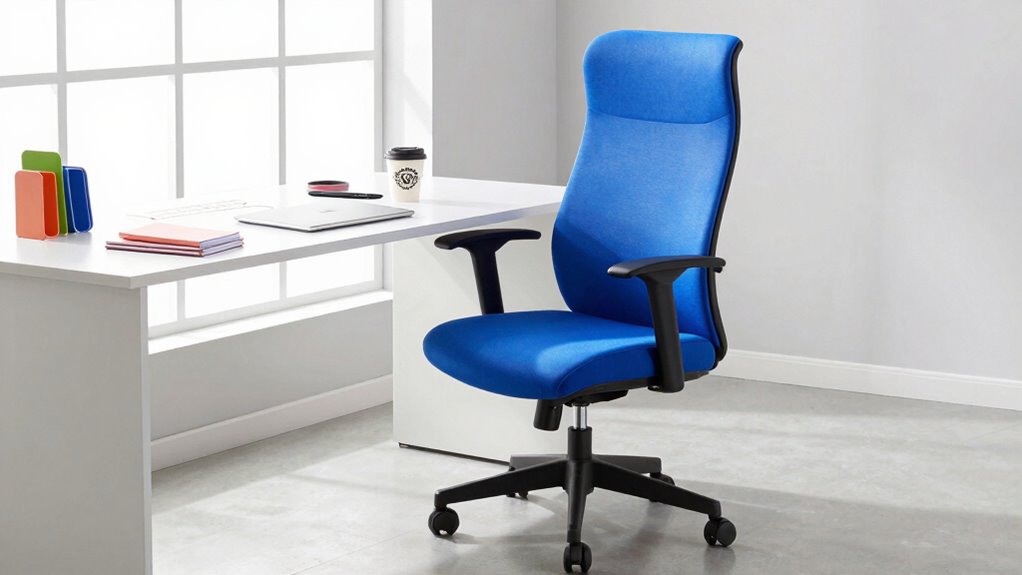
This month, several office purchases are trending as businesses adapt to new work environments and productivity needs. Among these, ergonomic chairs and standing desks are especially popular. Companies are keen to invest in equipment that promises to boost comfort and efficiency, but not all of these trends deliver the value they seem to promise. In fact, the most overrated office purchase might be the one currently taking center stage — and that’s standing desks.
It’s easy to see why standing desks have become a symbol of modern, healthy workspaces. They’re marketed as a way to reduce the health risks associated with sitting all day and improve focus. But in reality, many people don’t find them practical or sustainable. You might be tempted to buy a standing desk after hearing about its benefits, but if you’re not prepared for the adjustment period, it could backfire. Standing for hours can cause discomfort, fatigue, and even pain, especially if your desk isn’t ergonomically optimized. Without proper setup, you risk creating new problems instead of solving existing ones. Additionally, understanding the importance of ergonomic office furniture can help you make more informed choices that truly support your health. Investing in ergonomic principles can often lead to better outcomes than simply purchasing trendy items.
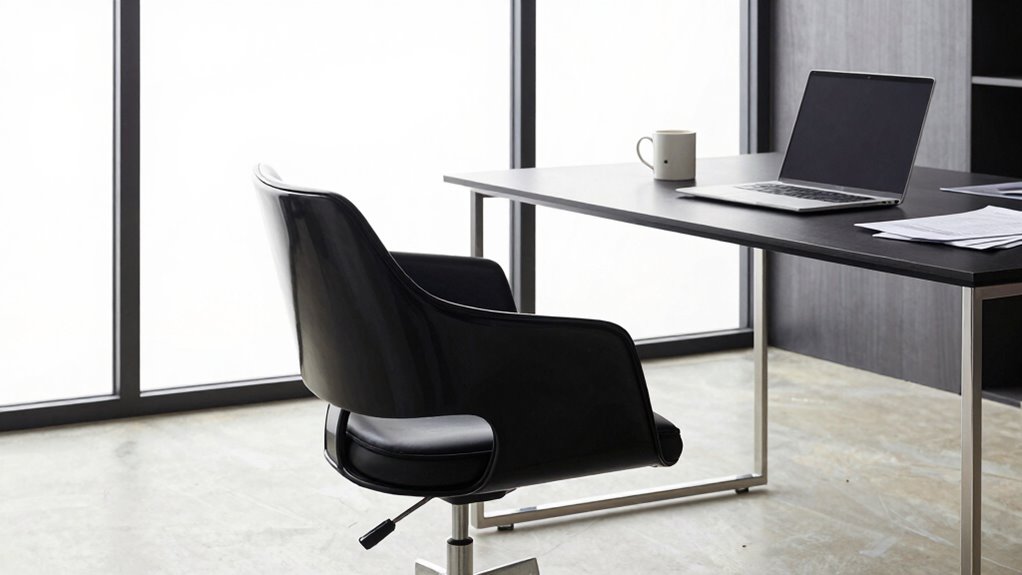
Similarly, ergonomic chairs are hailed as essential for a productive office. While investing in a good chair can make a difference, the hype around them sometimes overshadows the fact that no chair is a one-size-fits-all solution. An ergonomic chair isn’t a magic fix if you don’t use it properly or if it doesn’t support your specific body type. Plus, many offices rush into buying high-end chairs without considering whether employees actually need them or will use them correctly. This can lead to unnecessary expenses without delivering the promised comfort boost. It’s also worth noting that proper workplace ergonomics can often be achieved through simple adjustments and habits, rather than expensive furniture.
Both ergonomic chairs and standing desks are designed with good intentions, but their popularity has led some companies to overinvest in these items without fully understanding their actual benefits. The truth is, these purchases are overrated if they’re bought just because they’re trendy, rather than based on genuine need or proper implementation. To make informed decisions, it’s helpful to understand the benefits of ergonomic office furniture and how they align with your work habits. If you’re considering these options, it’s better to evaluate your work habits first. Do you spend most of your day sitting? Do you have the space and flexibility to use a standing desk comfortably? Sometimes, simpler solutions like regular breaks, proper desk setup, and movement can be more effective and cost-efficient than jumping straight to the latest trend.
Overinvesting in trendy office furniture without understanding your actual needs can lead to unnecessary costs and inefficiency.
In the end, it’s wise to question the hype and focus on what truly enhances your productivity and comfort. Don’t let the trend-driven push for ergonomic chairs or standing desks steer you into unnecessary spending. Instead, tailor your office setup to your actual needs, and remember that sometimes, less is more.
ergonomic office chair for back support
As an affiliate, we earn on qualifying purchases.
As an affiliate, we earn on qualifying purchases.
Frequently Asked Questions
How Do I Determine if an Office Purchase Is Truly Necessary?
You determine if an office purchase is truly necessary by evaluating its impact on your office budget and considering purchase urgency. Ask yourself if it’s a priority for daily operations, or if delaying it will cause issues. Compare the cost against the benefits, and see if it aligns with your goals. If it’s essential and fits your budget without rushing, it’s likely a justified purchase.
What Are the Long-Term Costs of Trendy Office Items?
Trendy office items can become money pits, draining your budget like a leaky faucet. When doing a cost analysis, consider their durability testing results—will they withstand daily use? Long-term costs often outweigh initial savings, especially if the item breaks or becomes outdated quickly. You’ll spend more replacing or repairing it, turning a fashionable purchase into an expensive mistake. Choose wisely to avoid buried costs that overshadow short-term trends.
Are There Eco-Friendly Alternatives to Popular Office Gadgets?
Yes, you can find eco-friendly alternatives to popular office gadgets by choosing sustainable technology and green office supplies. Look for energy-efficient devices, such as LED desk lamps and low-power monitors, which reduce electricity consumption. Opt for rechargeable batteries and recycled materials for accessories. These sustainable options help lower your carbon footprint, save money long-term, and promote a greener workspace without sacrificing functionality or style.
How Can I Maximize the Lifespan of Office Equipment?
You can maximize your office equipment’s lifespan by practicing good office ergonomics, like adjusting your chair and monitor height to prevent strain. Regularly clean and dust your devices to avoid dust buildup that can cause overheating. Also, make sure tech compatibility to prevent unnecessary wear from using incompatible accessories. Turn off devices when not in use, and perform routine updates to keep everything running smoothly, extending their usefulness.
What Are the Best Ways to Evaluate Office Purchase Reviews?
You should start by reading multiple reviews to get a broad perspective on office ergonomics and staff preferences. Look for consistent feedback about durability, comfort, and ease of use. Pay attention to reviews from similar-sized offices or those with similar needs. Trust detailed comments over vague praise. Comparing opinions helps you make smarter choices, ensuring your purchase truly benefits your team’s productivity and comfort without falling for trendy, overrated items.
adjustable standing desk converter
As an affiliate, we earn on qualifying purchases.
As an affiliate, we earn on qualifying purchases.
Conclusion
So, before you invest in the latest office gadget everyone’s raving about, remember that not every trend boosts productivity or comfort. It’s easy to get caught up in hype, but your workspace should serve your needs, not just follow trends. Don’t let the buzz cloud your judgment—choose what genuinely improves your workday. After all, the most overrated purchase might just be the one that looks good but doesn’t truly help you work smarter.
As an affiliate, we earn on qualifying purchases.
ergonomic accessories for home office
As an affiliate, we earn on qualifying purchases.
As an affiliate, we earn on qualifying purchases.
Fall Picks
fall essentials
As an affiliate, we earn on qualifying purchases.