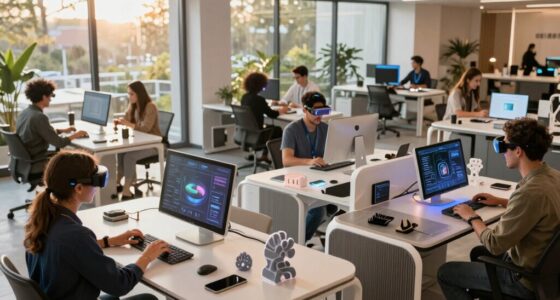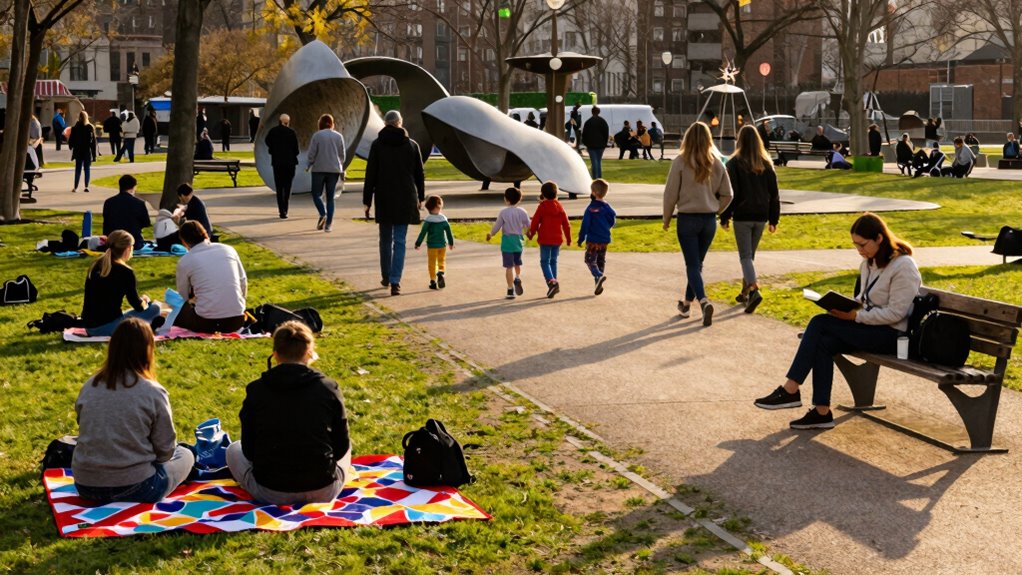

Even with more free time, you might feel more pressured because societal expectations encourage filling every moment with productivity. Social media and cultural norms promote constant achievement, making leisure seem like a luxury or even irresponsible. You could feel guilty or anxious when not working, as the drive to be successful persists. If you’re curious about how these pressures actually intensify, keep exploring how societal norms shape our perceptions of leisure and downtime.

Get tech for your team delivered free — and shop member deals
- Fast, free delivery on millions of items
- Access to Prime Big Deal Days deals on October 6–7
- Prime Video, Amazon Music and more included
Key Takeaways
- Societal expectations often shift to encourage productivity during extra free time, maintaining pressure to stay busy.
- Social media and advertising reinforce the need for constant achievement, increasing feelings of guilt when relaxing.
- Cultural norms equate leisure with laziness, leading individuals to feel unproductive despite having more free hours.
- The drive for self-improvement persists, creating anxiety and guilt around relaxing or taking downtime.
- Developing boundaries and resisting societal validation are essential to alleviating pressure despite increased free time.
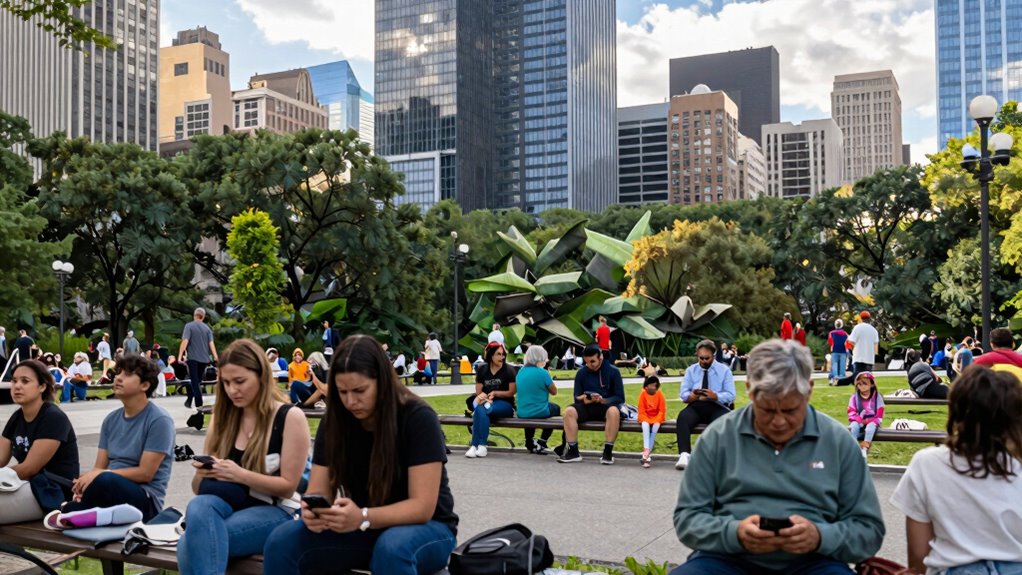
Even when society gains more free time, it doesn’t necessarily feel less pressured. You might think that having extra hours in your day would naturally lead to relaxation and a better work life balance, but that’s often not the case. Instead, social expectations tend to evolve alongside these changes, pushing you to fill that newfound free time with productivity or self-improvement. The pressure to optimize every moment can be just as intense as the deadlines and obligations you faced before.
More free time often brings new pressures to stay productive rather than relax.
In fact, with more free time, you might start to feel an added layer of guilt if you’re not constantly engaged in a hobby, side project, or personal development activity. Society’s relentless push for productivity doesn’t fade away simply because there are more hours in a day; it shifts, making you feel as if you should be doing something valuable with your extra time. This can create a paradox where leisure feels like a luxury you can’t fully enjoy because of the underlying social expectations to always be improving or staying busy. As a result, your sense of work life balance can become harder to maintain, as the boundary between work and leisure blurs under the weight of societal pressures.
Furthermore, social expectations aren’t static—they adapt to cultural and economic changes, often making you feel as if you’re falling behind if you’re not constantly striving or achieving. The ideal of “doing more” is reinforced through social media, advertising, and peer comparisons, making it difficult to simply relax or enjoy downtime without feeling guilty. This constant drive to do more, even in your free time, fosters a culture where rest can seem irresponsible or unproductive. As you juggle these influences, your mental space fills with the pressure to be perfect, successful, or constantly improving, rather than simply being present and enjoying your free hours. Additionally, the rise of social comparison can intensify these feelings, making it harder to disconnect from societal pressures.
In this way, more free time doesn’t automatically translate into less stress. Instead, it often amplifies the societal expectations that already exist, compelling you to fill those hours with meaningful activity, achievement, or self-optimization. The challenge becomes carving out genuine relaxation and setting boundaries that resist these pressures, which can feel like an ongoing battle. Recognizing how cultural and economic changes influence social expectations can help in creating healthier boundaries and cultivating genuine leisure. Ultimately, society’s relentless push for productivity and social validation continues to shape how you experience your free time, making it harder to truly unwind despite the extra hours you may now have at your disposal.
As an affiliate, we earn on qualifying purchases.
Frequently Asked Questions
How Does Increased Leisure Time Impact Mental Health?
When you have more leisure time, it can improve your mental health by allowing you to practice mindfulness and reduce stress. However, if you’re not careful, it might lead to feelings of loneliness or social disconnection. Engaging in social activities and mindfulness practices helps you stay connected and grounded, preventing boredom or anxiety from taking over. Balance is key; use your free time to nurture your mental well-being actively.
What Cultural Factors Influence Feelings of Pressure Despite Free Time?
You feel pressured due to cultural expectations, social conformity, and the constant need to meet societal standards. These factors create a cycle of comparison, validation, and perfectionism. You may struggle with balancing personal desires and societal norms, feeling overwhelmed by the perceived obligation to succeed, fit in, or appear perfect. Despite having free time, these cultural pressures persist, making you feel anxious, stressed, and constantly judged.
Can Technology Reduce or Increase Societal Stress Levels?
Technology can both reduce and increase societal stress levels. It offers tools to disconnect and manage time better, but also fuels digital burnout through constant notifications and work demands. Social comparison on social media heightens pressure, making you feel inadequate despite free time. To balance this, set boundaries for device use and focus on meaningful offline connections, reducing stress and improving your overall well-being.
How Do Socioeconomic Differences Affect Perceived Pressure?
Ever wonder if your sense of pressure depends on your wallet? Social inequality and economic disparity create a landscape where wealthier folks feel less stress, while others are overwhelmed by impossible expectations. You might have more free time, but if you’re burdened by financial worries, that time feels meaningless. Socioeconomic differences deeply influence perceived pressure, making it clear that societal stress isn’t just about hours worked but about who holds the power and resources.
What Role Does Work Culture Play in Societal Stress?
Work culture plays a significant role in societal stress by fostering a workaholic mindset, where long hours and constant productivity become norms. This leads to pressure normalization, making people feel guilty or anxious when they’re not working. You might find yourself constantly attempting to meet high expectations, which amplifies stress levels. Breaking these patterns requires shifting workplace attitudes to prioritize balance, reducing the pressure that society has come to accept as standard.
relaxation and stress relief tools
As an affiliate, we earn on qualifying purchases.
As an affiliate, we earn on qualifying purchases.
Conclusion
So, even if you have more free time, don’t assume pressure magically disappears. It’s easy to think extra leisure means less stress, but responsibilities and expectations can still weigh on you. Remember, it’s about how you manage that time, setting boundaries and prioritizing what truly matters. You can enjoy the benefits of extra free time without feeling overwhelmed—just stay mindful and intentional about how you spend it. Your peace of mind is within your control.
As an affiliate, we earn on qualifying purchases.
As an affiliate, we earn on qualifying purchases.
Fall Picks
fall essentials
As an affiliate, we earn on qualifying purchases.