
TL;DR
The Japanese city of Imabari is experiencing a severe labor shortage in its shipbuilding sector as demand increases. To address this, companies are recruiting foreign workers and deploying AI and digital tools. This shift highlights broader industry challenges and potential solutions.
Imabari, Japan — The shipbuilding industry in Imabari is facing a critical labor shortage as demand for vessels rises, prompting companies to turn to foreign workers and artificial intelligence to sustain production levels.
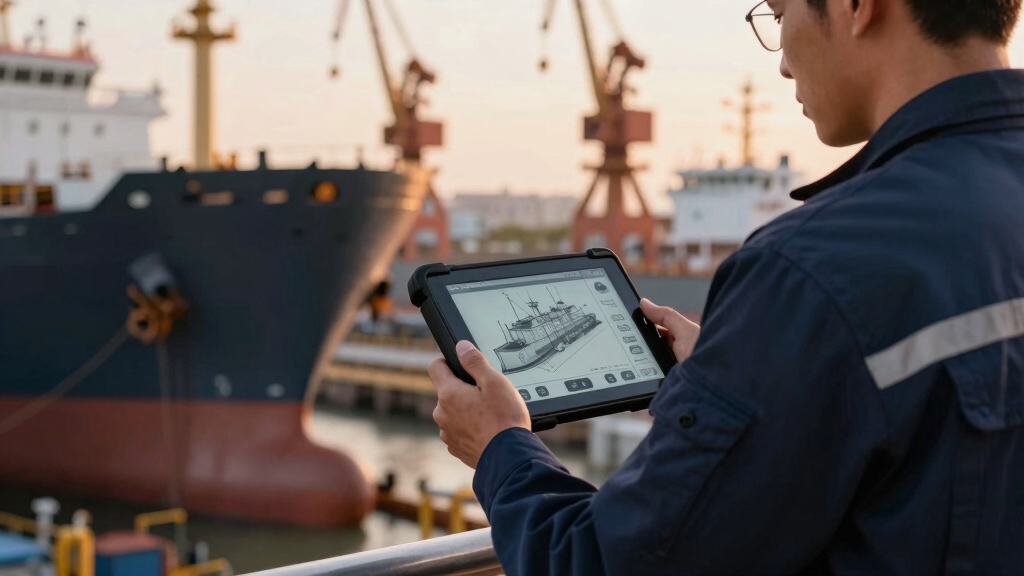
With the local workforce unable to meet the increasing demand, shipbuilders in Imabari are actively recruiting workers from overseas, including Southeast Asia, to fill labor gaps. Simultaneously, companies are deploying AI-driven digital technologies to automate tasks traditionally performed by human workers, aiming to improve efficiency and reduce dependency on a shrinking domestic labor pool.
Officials from local shipbuilding firms confirmed that labor shortages have become acute, especially as vessel orders double compared to previous years. While foreign recruitment efforts are underway, industry leaders acknowledge challenges related to language barriers, integration, and regulatory approvals. Meanwhile, the adoption of AI tools includes automated welding, digital design processes, and supply chain management systems, which are still in the early stages of implementation but show promise for alleviating labor constraints.
Why It Matters
This development is significant because it illustrates how Japan’s aging population and declining domestic workforce are impacting traditional industries like shipbuilding. The shift toward foreign labor and AI adoption reflects broader economic and technological trends, potentially shaping the future of manufacturing in Japan and similar economies facing demographic challenges. The move also raises questions about workforce integration, automation impacts, and the sustainability of relying on overseas workers amid geopolitical considerations.

xTool MetalFab 1200w 3-in-1 Laser Welding Machine, Welding Cutting Cleaning Laser Welder, 8x Faster than TIG, Auto Wire Feeding with 108+ Presets, Welds Metal Stainless Steel, Aluminum Lazer Cutter
3-in-1 metal workshop — weld, cut & clean with the xTool MetalFab, a complete fabrication solution. Seamlessly switch…
As an affiliate, we earn on qualifying purchases.
As an affiliate, we earn on qualifying purchases.
Background
Japan’s shipbuilding industry, historically a key player in global markets, has experienced a steady decline in domestic labor availability due to demographic shifts. In recent years, efforts to increase vessel output have been hampered by labor shortages, prompting industry stakeholders to explore alternative solutions. Imabari, a major shipbuilding hub, has seen a surge in vessel orders, intensifying the need for additional labor. Previous attempts at automation faced hurdles, but recent technological advances and government initiatives to ease foreign worker visas are accelerating industry adjustments.
“We are actively recruiting workers from overseas and implementing AI technologies to keep up with the demand and ensure quality. It’s a necessary step for the future of our industry.”
— Yuki Tanaka, CEO of Imabari Shipbuilding
“Supporting industry modernization and foreign worker integration are key strategies to sustain Japan’s shipbuilding competitiveness.”
— Japan’s Ministry of Economy, Trade and Industry

2D & 3D CAD Software Suite USB – 8 Program Bundle for Windows & macOS – Complete Design & Drafting Tools
Ready-to-use software preloaded on a high-speed USB flash drive for easy installation on any Windows PC, no internet…
As an affiliate, we earn on qualifying purchases.
As an affiliate, we earn on qualifying purchases.
What Remains Unclear
It is still unclear how effectively foreign workers will be integrated into the industry and whether AI adoption will significantly offset the labor shortage in the long term, similar to challenges discussed in related reports on foreign workers in Japan. Details on regulatory hurdles and industry outcomes remain developing.

AI in Supply Chain Management: From Automation to Generative AI and Intelligent Agents
As an affiliate, we earn on qualifying purchases.
As an affiliate, we earn on qualifying purchases.
What’s Next
Next steps include expanding foreign recruitment programs, further deploying AI technologies, and monitoring the impact on vessel output and industry sustainability. Industry stakeholders plan to evaluate the effectiveness of these measures over the coming months.

Semi Automated PET Bottle Making Machine for Plastic Bottles Production Industrial Blow Molding Equipment with Adjustable Settings for Multiple Sizes, Suitable for Factory Manufacturing Use
SPECIAL REMINDER: Our blow molding machines are available in various production capacities, bottle sizes, and configurations, with customization…
As an affiliate, we earn on qualifying purchases.
As an affiliate, we earn on qualifying purchases.
Key Questions
How many foreign workers are being recruited in Imabari?
Exact numbers are not publicly confirmed, but industry sources indicate efforts are increasing, with hundreds of workers from Southeast Asia expected to be recruited in the near term.
What types of AI technologies are being used in shipbuilding?
AI applications include automated welding, digital design systems, and supply chain management tools, which are in early implementation stages but show promise for increasing efficiency. Learn more about industry innovations in advanced manufacturing technologies.
Are there any legal or regulatory challenges to hiring foreign workers?
Yes, industry officials acknowledge challenges related to visa processes, language barriers, and integration, though recent policy adjustments aim to facilitate foreign employment.
Will automation replace human workers entirely?
Currently, AI is seen as a supplement rather than a replacement, helping to alleviate labor shortages but not fully substituting skilled human labor in complex tasks.
Source: Nikkei Asia