
TL;DR

Get tech for your team delivered free — and shop member deals
- Fast, free delivery on millions of items
- Access to Prime Big Deal Days deals on October 6–7
- Prime Video, Amazon Music and more included
The US and China are both investing significantly in orbital data centers, aiming to leverage space for data storage and processing. This marks a major development in the global AI and data infrastructure race. Details about specific projects and timelines are still emerging.
The United States and China are both making substantial investments in the development of orbital data centers, aiming to establish space-based infrastructure for data storage and processing. This marks a significant shift in the global technology landscape, with both nations viewing space as a strategic frontier for AI and digital infrastructure.
According to sources from Nikkei Asia, both countries see orbital data centers as a way to enhance data security, reduce latency, and support the growing demands of artificial intelligence applications. The US has reportedly allocated federal funding to private companies working on satellite-based data storage projects, while China has announced plans to deploy its own orbital data infrastructure, with state-backed firms leading the efforts.
Specific project details remain limited, but reports indicate that these initiatives involve deploying large-scale satellite constellations equipped with data processing capabilities. Experts suggest that these orbital centers could complement terrestrial data centers by providing rapid access to data in remote regions and improving resilience against cyberattacks or natural disasters.
Why It Matters
This development is significant because it represents a strategic move by both the US and China to dominate not only terrestrial but also space-based data infrastructure. As AI applications proliferate, the demand for faster, more secure data processing grows, and orbital data centers could become a critical component of future digital ecosystems. The race underscores broader geopolitical competition in space technology and digital sovereignty.
As an affiliate, we earn on qualifying purchases.
Background
Historically, data centers have been confined to terrestrial locations, but recent advancements in satellite technology and space infrastructure have opened new possibilities. The US has been a leader in space-based technologies through NASA and private companies like SpaceX and Amazon, which have launched satellite constellations for communications and data services. China has also rapidly expanded its space capabilities, with recent launches aimed at establishing a robust space infrastructure.
Both nations are investing heavily in artificial intelligence, with space-based data centers seen as a way to support AI workloads that require vast amounts of data and low latency. This push follows broader trends of integrating space assets into national security, economic growth, and technological innovation strategies.
“The move towards orbital data centers reflects a strategic shift in how nations view space as an extension of their digital infrastructure.”
— Dr. Emily Carter, space technology analyst
“China’s orbital data infrastructure will support our ambitions in AI and digital sovereignty.”
— Chinese space agency spokesperson
As an affiliate, we earn on qualifying purchases.
What Remains Unclear
It remains unclear how quickly these orbital data center projects will be operational, what specific technologies will be used, or how commercially viable they will be in the near term. Details about international regulatory or safety concerns are also still developing.
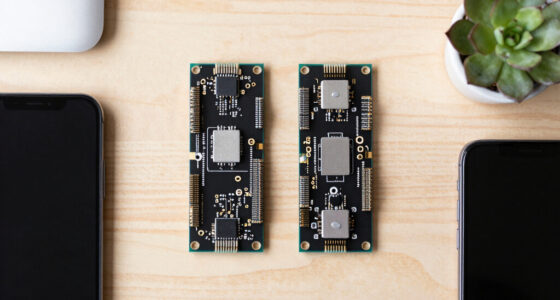
space-based data processing hardware
As an affiliate, we earn on qualifying purchases.
As an affiliate, we earn on qualifying purchases.
What’s Next
Next steps include the deployment of satellite constellations, further government and private sector funding, and international discussions on space data governance. Monitoring launches and project announcements over the coming months will clarify timelines and technological capabilities.
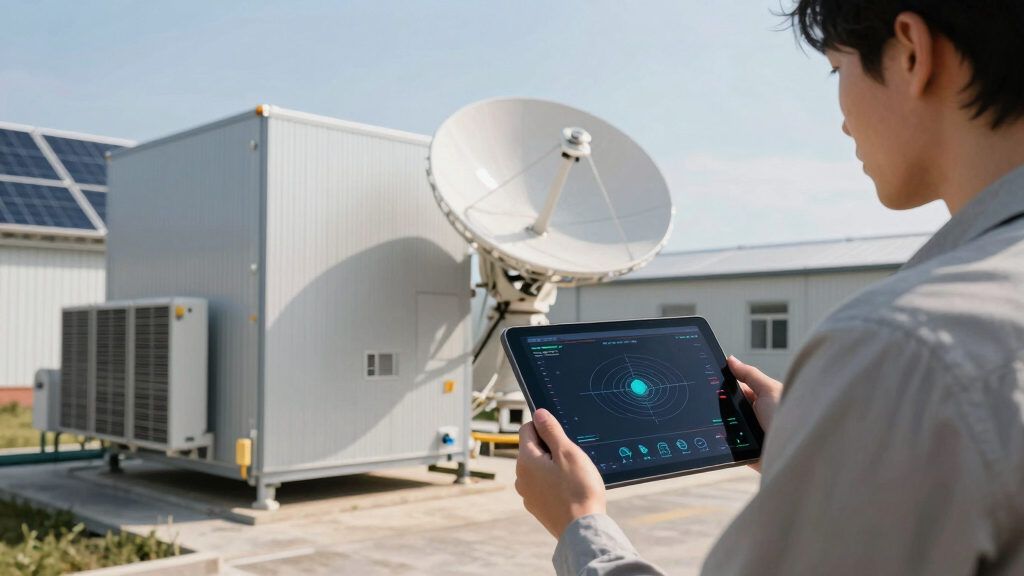
satellite constellation communication equipment
As an affiliate, we earn on qualifying purchases.
As an affiliate, we earn on qualifying purchases.
Key Questions
What are orbital data centers?
Orbital data centers are data storage and processing facilities located in space, typically on satellites or in orbit, designed to provide faster access and increased security for data transmission.
Why are the US and China investing in space-based data centers?
Both countries see space-based data centers as a way to support AI growth, improve data security, reduce latency, and maintain technological leadership in the digital economy.
When might these orbital data centers become operational?
Specific timelines are not yet confirmed, but initial satellite deployments are expected within the next few years, with full operational capability potentially several years away.
What challenges do orbital data centers face?
Challenges include technical complexity, high costs, space debris management, international regulation, and ensuring cybersecurity in space environments.
Fall Picks
fall essentials
As an affiliate, we earn on qualifying purchases.