
TL;DR

Get business pricing on tech for your team
- Business-only prices and quantity discounts
- Tax-exempt purchasing
- Multiple users, one account, clear invoices
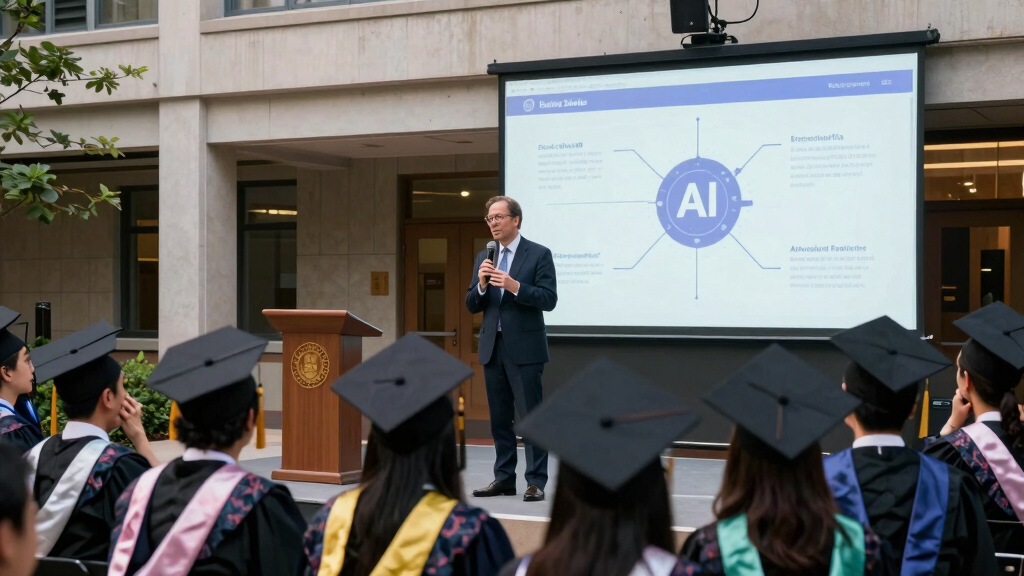
Eric Schmidt was booed multiple times during his commencement speech at the University of Arizona while discussing artificial intelligence. The audience expressed disapproval of his views on AI’s future and societal impact. The event underscores ongoing tensions around technology and its role in society.
Former Google CEO Eric Schmidt was booed multiple times during his commencement speech at the University of Arizona on Sunday while discussing artificial intelligence, reflecting widespread discomfort with his views on technology’s societal impact.
Schmidt, who led Google for a decade, spoke about the evolution of computers and AI, acknowledging both their benefits and darker sides. He emphasized that the future of AI is still unwritten and urged graduates to shape its development responsibly. His remarks about societal risks and the importance of open debate drew immediate boos from parts of the audience. Despite the disapproval, Schmidt continued to advocate for diversity of perspectives and the role of young people in shaping the future of AI, concluding with encouragement for graduates to take responsibility for the future.
Why It Matters
This incident highlights ongoing tensions between technological leaders and the public, especially regarding AI’s societal risks and ethical considerations. It underscores the skepticism and concern among younger generations about the direction of AI development and its impact on jobs, politics, and social cohesion. The event also reflects broader debates about the influence of tech giants and the need for responsible innovation.
As an affiliate, we earn on qualifying purchases.
Background
Eric Schmidt’s speech follows recent public disagreements over AI’s future, including booing incidents at other university commencements. The controversy taps into broader societal fears about automation, job security, and social division. Historically, tech leaders have faced criticism for overpromising or underestimating risks associated with AI and related technologies. The University of Arizona invited Schmidt due to his leadership in tech and contributions to scientific research, but his views on AI’s societal impact remain contentious among students and faculty.
“The future is not yet finished. It is now your turn to shape it.”
— Eric Schmidt
“He helped lead Google’s rise into one of the world’s most influential technology companies and continues to advance research and discovery through major philanthropic and scientific initiatives.”
— University of Arizona spokesperson Mitch Zak
As an affiliate, we earn on qualifying purchases.
What Remains Unclear
It is still unclear how widespread the disapproval was beyond the immediate audience, or how the event will influence future university commencements involving tech leaders. The long-term impact of this incident on Schmidt’s reputation or public perception remains uncertain.
AI safety and risk management software
As an affiliate, we earn on qualifying purchases.
As an affiliate, we earn on qualifying purchases.
What’s Next
Further discussions about AI’s societal implications are likely, with universities and public figures possibly reevaluating how and when to invite tech leaders for speeches. Monitoring reactions from students, faculty, and the broader community will be important to gauge ongoing sentiment.
As an affiliate, we earn on qualifying purchases.
Key Questions
Why was Eric Schmidt booed during his speech?
The audience likely booed because of disagreements with his views on AI’s societal risks and the future impact of technology, reflecting broader skepticism about tech giants and AI development.
Did Schmidt say anything controversial?
He discussed the potential dangers of AI and societal risks, which some audience members found provocative or disagreeable, leading to boos.
Has this happened before at other graduations?
Yes, earlier this month, a speaker at the University of Central Florida was similarly booed after mentioning AI, indicating a pattern of public discomfort with discussions on AI at graduation events.
What is the broader public opinion on AI now?
Public opinion remains divided; some see AI as a revolutionary tool with immense benefits, while others express concern over societal risks, job displacement, and ethical issues.
What are the next steps for universities hosting tech leaders?
Universities may reconsider guest speaker selections or implement new guidelines for topics discussed during commencement addresses to address audience concerns about controversial subjects like AI.
Halloween Picks
halloween
As an affiliate, we earn on qualifying purchases.