
TL;DR
Kioxia Holdings’ market capitalization surpassed 30 trillion yen ($188 billion) on May 22, 2026, driven by investor optimism over AI-related demand for memory chips. The surge reflects growing confidence in the company’s role in the AI chip ecosystem.
Japan’s memory chip manufacturer Kioxia Holdings saw its market capitalization surpass 30 trillion yen ($188 billion) on May 22, 2026, marking a record high as investors rallied around the company’s prospects amid rising demand for memory chips driven by artificial intelligence developments.
The company’s market value increased significantly on Thursday, with shares being actively bought by investors who are betting on a sustained rise in demand for NAND flash memory chips. This surge follows recent strong earnings reports from U.S. chipmaker Nvidia, which has fueled optimism about AI-related growth across the semiconductor industry.
While the market cap crossing the 30 trillion yen threshold is a confirmed milestone, analysts note that the rise is largely driven by investor sentiment and expectations rather than immediate earnings. Kioxia’s stock price has climbed sharply in recent sessions, reflecting confidence in its position within the global memory chip market amid the AI boom.
Why It Matters
This milestone underscores the increasing importance of memory chip manufacturers like Kioxia in the global technology supply chain, especially as AI applications demand higher data processing and storage capabilities. The surge in market value indicates strong investor confidence in Kioxia’s future growth prospects, which could influence industry dynamics and investment trends.
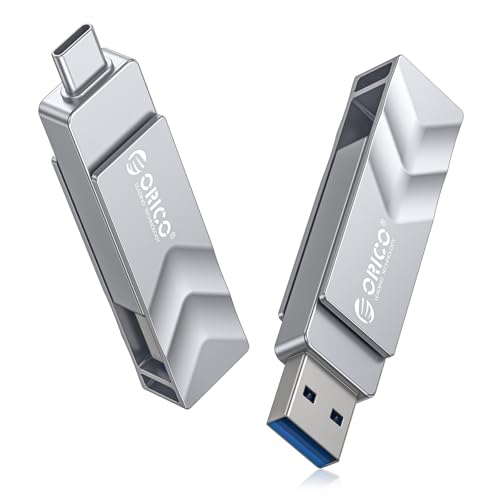
ORICO 128GB USB Flash Drive SSD, External TLC NAND Solid State Drive Up to 400MB/s Read, 300MB/s Write High Speed USB-C & USB-A Port,Metal Housing Swivel Design Compatible with iPhone 17, Android, PC
- High-Speed Data Transfer: Up to 400MB/s read, 300MB/s write
- Universal Compatibility: USB-C and USB-A ports for phones and PCs
- Durable Metal Construction: Zinc alloy housing with swivel design
As an affiliate, we earn on qualifying purchases.
As an affiliate, we earn on qualifying purchases.
Background
Kioxia, formerly a Toshiba subsidiary, has been a key player in NAND flash memory manufacturing for years. The recent rally in its stock price and market cap is partly due to broader industry trends, including the surge in AI investments and the proliferation of data-intensive applications. Nvidia’s recent earnings report, which exceeded expectations, has further heightened investor interest in AI-related semiconductor stocks, including Kioxia.
Prior to this development, Kioxia’s market valuation was steadily rising, but the crossing of the 30 trillion yen mark marks a notable milestone that highlights its growing prominence amid global chip shortages and increasing demand for data storage solutions. For broader economic context, see Japan’s overseas investments.
“Kioxia’s surpassing of 30 trillion yen reflects investor confidence in the company’s role in supporting AI infrastructure and data growth.”
— Market analyst at Tokyo Securities
“We are committed to expanding our manufacturing capacity to meet the increasing demand driven by AI and other data-intensive applications.”
— Kioxia spokesperson
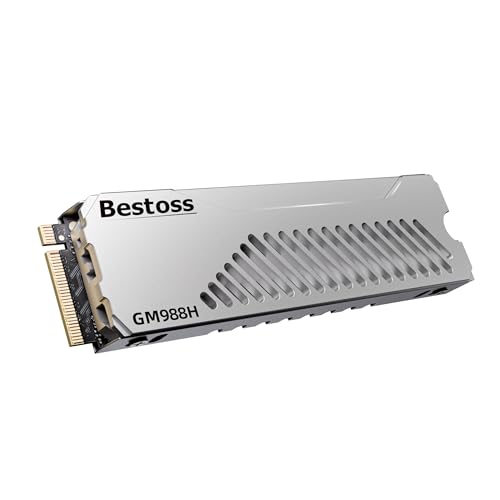
Bestoss 2TB PCIe4.0 NVMe M.2 2280 SSD with Heatsink, PS5 Storage Expansion SSD up to 7350MB/s, SLC Cache&HMB, PS5 Memory Expansion Tailored for Gamers, Editors&AI Creators Demanding Blazing-Fast Speed
- Blazing Fast Speed: 7350MB/s read speed for quick loading
- Compatible with PS5: Easy installation and worry-free gaming
- Stable Performance: HMB and SLC cache for smooth operation
As an affiliate, we earn on qualifying purchases.
As an affiliate, we earn on qualifying purchases.
What Remains Unclear
It is still unclear how sustainable this valuation increase will be, as the stock market remains sensitive to global economic conditions and semiconductor industry fluctuations. Additionally, the precise impact of AI demand on Kioxia’s future earnings has yet to be fully quantified.

Micron 5210 Ion SSD | MTFDDAK7T6QDE | 7.68TB | Qlc | SATA 6GB/S | 2.5-Inch Enterprise Solid State Drive
- Form Factor: 2.5-Inch SATA SSD
- Storage Capacity: 7.68TB
- NAND Type: QLC NAND Flash
As an affiliate, we earn on qualifying purchases.
As an affiliate, we earn on qualifying purchases.
What’s Next
Investors will likely monitor Kioxia’s quarterly earnings reports and production capacity expansions to assess whether the current valuation can be maintained or further increased. Industry analysts will also watch for developments in AI adoption and related semiconductor demand.

INLAND 16GB Class 10 SDHC Flash Memory Card Standard Full Size SD Chip USH-I U1 Trail Camera by Micro Center (2 Pack)
- Storage Capacity: 16GB SDHC flash memory card
- Package Quantity: 2-pack full-size SD cards
- Compatibility: Not compatible with mobile phones
As an affiliate, we earn on qualifying purchases.
As an affiliate, we earn on qualifying purchases.
Key Questions
What caused Kioxia’s market cap to surge now?
The surge is driven by investor optimism over increasing demand for memory chips fueled by the growth of AI applications, especially following Nvidia’s strong earnings report.
Is this increase sustainable?
It remains uncertain whether the valuation will be sustained, as it depends on actual demand growth, supply chain factors, and broader economic conditions.
How does Kioxia compare with other memory chip makers?
Kioxia’s market cap surpassing 30 trillion yen positions it among the leading memory chip manufacturers, although it still trails some of the largest global players in overall revenue.
What role does AI play in Kioxia’s future growth?
AI is expected to significantly boost demand for high-capacity, high-speed memory chips, which are central to Kioxia’s product offerings, making AI a key driver of its future expansion. Learn more about the role of AI in memory demand.
Source: Nikkei Asia