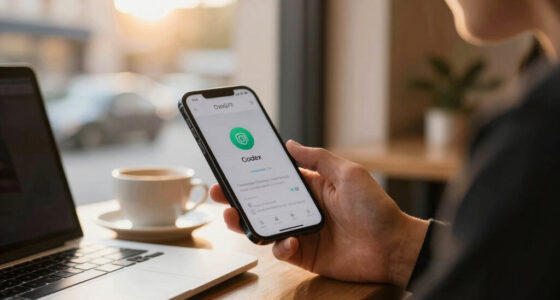
Invisible algorithms quietly track every online action you take, from browsing to purchasing. They collect details from your emails, social media, sensors, and transaction history to build detailed profiles of your preferences, habits, and current needs. These profiles influence the content you see, the ads you get, and even how prices are set. By subtly guiding your choices, these systems shape your perceptions and spending patterns—if you want to understand more about how this works, keep exploring.
Key Takeaways
- Advanced data collection from online activities creates detailed user profiles influencing purchase suggestions.
- Algorithms analyze past behavior to predict and subtly guide future buying decisions.
- Personalized content and targeted ads are optimized through real-time data to maximize engagement and sales.
- Pricing strategies are dynamically adjusted based on perceived willingness to pay, exploiting consumer tendencies.
- Platforms prioritize engaging content, shaping perceptions and steering consumer choices without explicit awareness.
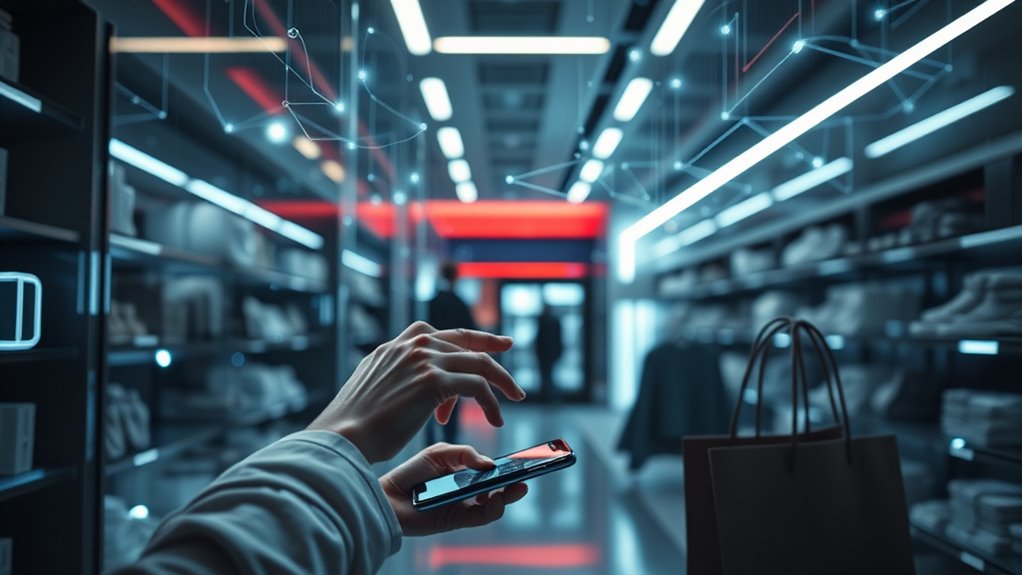
Have you ever wondered how your online choices seem so effortlessly guided? It’s because behind the scenes, a complex web of algorithms is working tirelessly to understand and influence your behavior. These algorithms collect data from multiple sources—your input, wearable sensors, transaction history, emails, and social media activity. They aggregate this information quickly and continuously, creating detailed profiles that capture not just your preferences but also your current situation, lifestyle changes, or even your pet’s specific needs. With real-time updates, these profiles stay relevant, allowing the algorithms to predict what you might want next or need more of in the future. Extensive personal data collection This process isn’t just passive data collection; it actively shapes your choices. Algorithms act like an “invisible hand,” subtly nudging you toward certain products, content, or brands. Recommendation systems on platforms like Netflix or Spotify analyze your past behavior to suggest what you might enjoy, increasing your engagement and influencing what you ultimately decide to watch or listen to. Social media algorithms prioritize emotionally charged content, which keeps you scrolling longer and reinforces your existing preferences or biases. Personalized ads are tailored based on your online actions, using real-time bidding and predictive analytics to tempt you into purchases you might not have considered otherwise. Pricing strategies also come into play, with algorithms adjusting prices based on what they know about your willingness to pay. They exploit your imperfect information and sometimes irrational tendencies, making you perceive more value in certain products than they’re worth. This can lead to overestimating benefits or paying more than necessary. Over time, these tactics change demand patterns, market competition, and even how fairly consumers are treated, often based on individual data profiles. Knowledge of store hours Social media platforms act as gatekeepers, controlling what content you see and what brands you’re exposed to. Their algorithms push engaging content, shaping your online environment and steering your attention and spending. As a result, brands must optimize their content to fit these invisible rules if they want to succeed. Meanwhile, your every action is monitored through embedded tracking technologies, fueling hyper-targeted advertising. All of this happens seamlessly, often without you realizing it, making your online experience a carefully curated dance orchestrated by invisible algorithms that map every purchase decision you make.
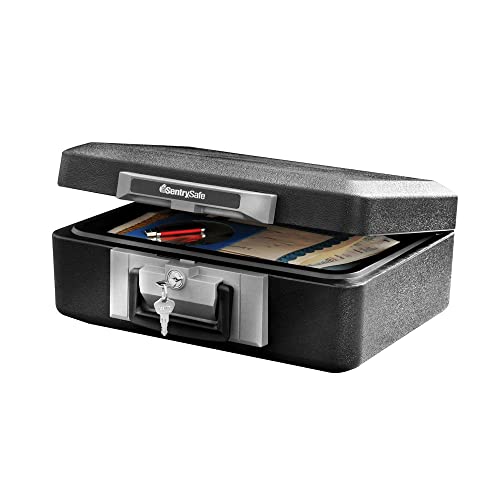
SentrySafe Fireproof Safe Box with Key Lock, Chest Safe with Carrying Handle to Secure Money, Jewelry, Documents, 0.25 Cubic Feet, 6.3 x 15.3 x 12.1 Inches, 1160
- Fire Resistant Safety Box: Protects valuables from fire with lifetime guarantee
- Advanced Fire Protection: UL and ETL certified for 30 minutes at 1550ºF
- Secure Key Lock: Includes privacy key lock with two keys
As an affiliate, we earn on qualifying purchases.
Frequently Asked Questions
How Do Algorithms Influence My Shopping Choices Subconsciously?
Algorithms influence your shopping choices subconsciously by personalizing content and recommendations based on your online behavior. When you engage with certain posts, likes, or searches, they shape what products you see, making some options more prominent. This targeted exposure increases the likelihood you’ll buy what’s recommended, often without realizing it. Over time, these algorithms subtly guide your preferences, making your shopping feel natural even though it’s influenced by unseen digital forces.
Can I Detect When Algorithms Are Targeting My Purchasing Habits?
Yes, you can detect when algorithms target your purchasing habits. Pay attention to repeated ads for the same products, sudden price changes, or tailored messages that create urgency. Monitor your browsing and shopping experiences for patterns, like ads following you across platforms or personalized recommendations that shift based on recent searches. Using privacy tools can also reveal how much your data influences these targeted marketing efforts.
Are There Ways to Outsmart or Evade These Algorithms?
Did you know over 80% of online shoppers feel tracked by algorithms? You can outsmart or evade these algorithms by using privacy-focused browsers like Brave, blocking trackers with extensions, and disabling ad personalization. Regularly clearing cookies, using VPNs, and switching devices make tracking harder. Avoid predictable behaviors and timing patterns. Remember, while evasion helps protect your privacy, it’s essential to stay within legal and ethical boundaries to avoid account suspensions or legal issues.
How Do Companies Collect Data to Build These Purchase Profiles?
You give companies data by browsing websites, clicking links, and filling out forms. They track your activity with cookies, monitor your interactions on social media, and analyze your purchase history through loyalty cards and transactions. Surveys, emails, and customer support chats also provide insights. All these sources combine to create detailed profiles, helping companies predict what you want and tailor their marketing efforts directly to you.
Do These Algorithms Prioritize Profit Over Consumer Well-Being?
Of course, these algorithms put profits first—your well-being is just the price you pay. They’re designed to squeeze every dollar from your willingness to pay, often ignoring how it affects you. So, while they might seem clever, they’re really like sneaky shoplifters with a calculator, prioritizing their bottom line over your comfort. Your best move? Stay alert and don’t let their profit game trick you into paying more than you should.

8.0 Cu Ft Fireproof Biometric Safe for Home Office,
- Extra Large Fireproof Capacity: 8.0 Cu Ft for valuables and documents
- Heavy Duty Anti-Theft Design: Pry-resistant steel door and concealed hinges
- Secure Mounting Options: Pre-drilled holes for wall or floor mounting
As an affiliate, we earn on qualifying purchases.
Conclusion
As you navigate your daily choices, these invisible algorithms are the silent puppeteers pulling your strings, weaving a web of unseen influence around your decisions. They’re the quiet architects shaping your preferences, turning your individuality into a mosaic of data points. Recognize their presence, and you’ll see how your choices are not entirely your own—crafted by a hidden symphony of code that dances behind the curtain, forever shaping your path in a digital world.
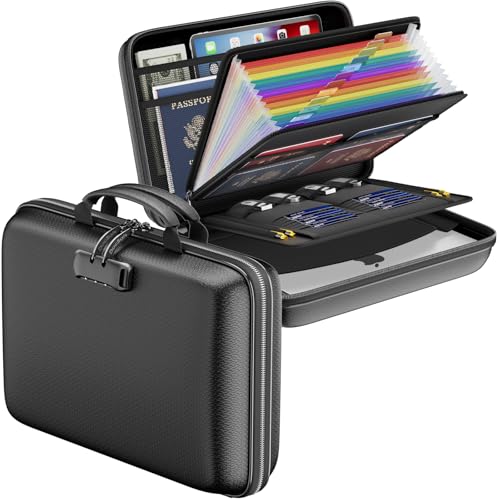
DocSafe Fireproof File Organizer with Lock, Hard-Shell Case Fireproof Document Box with 13 Pocket Accordion File Folder, Portable Home Office Travel Safe Storage for Important Documents Laptop Black
- Fireproof and Water-Resistant: Protects documents from fire and water damage
- Hard-Shell Durable Design: Provides sturdy, sleek protection for valuables
- Large Capacity Storage: 13-pocket accordion with multiple compartments
As an affiliate, we earn on qualifying purchases.

2.3 Cuft Fire proof Safes for HOME USE, Digital Security Safe Box with Programmable Keypad and Spare Keys, Safety Box for Home Office Business, Document Safe for Money Medicine Valuables
- Fireproof Capacity: 2.3 Cu Ft for documents and valuables
- Secure Storage Size: 14.17 x 12.99 x 12.99 inches
- Removable Shelf: Adjustable interior for versatile storage
As an affiliate, we earn on qualifying purchases.