
TL;DR

Get business pricing on tech for your team
- Business-only prices and quantity discounts
- Tax-exempt purchasing
- Multiple users, one account, clear invoices
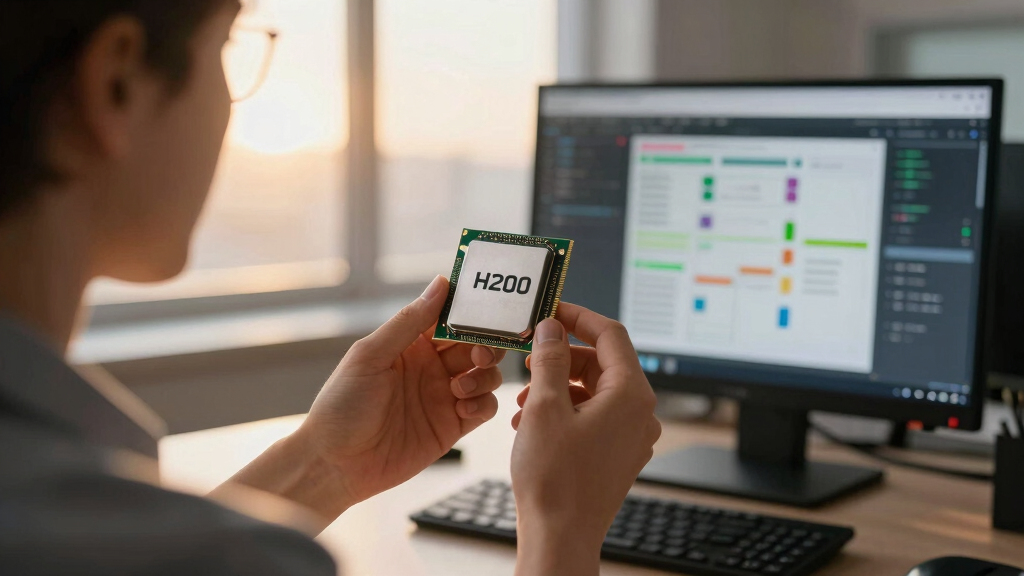
The US Commerce Department has reportedly authorized 10 Chinese firms to purchase NVIDIA’s H200 AI chips. NVIDIA has not yet shipped the chips, and the development follows prior restrictions and ongoing geopolitical tensions.
The US Commerce Department has reportedly authorized 10 Chinese firms, including Alibaba, Tencent, ByteDance, JD.com, Lenovo, and Foxconn, to purchase NVIDIA’s H200 AI chips, though no shipments have yet occurred. This development comes amid ongoing US-China technology tensions and is significant for the global AI supply chain.
According to Reuters, the US government granted these Chinese firms permission to buy up to 75,000 H200 chips, either directly from NVIDIA or through intermediaries. However, NVIDIA has not yet made any deliveries, and the companies reportedly pulled back from purchasing after receiving guidance from the Chinese government.
The H200 is one of NVIDIA’s most powerful AI processors, second only to the B200 model. While the B200 is faster, the H200 surpasses the earlier H20 chip, which was cleared for Chinese markets six months prior. The chips are valued for their capabilities in AI and data processing.
Sources indicate that recent US policy changes may have influenced China’s guidance to its companies, but specific details about these changes remain unclear. It is also noted that Chinese firms have been developing their own chips to reduce reliance on US exports, and the Chinese government has expressed concerns over potential vulnerabilities in imported chips, especially those passing through US territory to ensure US revenue.
Why It Matters
This development is significant because it signals a potential easing of US export restrictions on high-end AI chips to China, which could impact global AI competitiveness and supply chains. It also highlights ongoing US-China tensions over technology and the strategic importance of semiconductors in military and economic domains.
For US companies like NVIDIA, the ability to sell chips in China is critical for revenue, but restrictions aim to limit China’s military and technological advancements. The situation underscores the complex balance between economic interests and national security concerns in US policy.
As an affiliate, we earn on qualifying purchases.
Background
In December 2025, the US allowed NVIDIA to sell the H200 chips to approved Chinese customers, following a ban that aimed to curb China’s military technological development. The Chinese government has since encouraged local chip development to reduce dependence on US exports. The recent authorization of 10 companies to purchase the H200 indicates a possible shift, but the lack of shipments suggests ongoing restrictions or uncertainties.
High-end AI chips like the H200 are crucial for advanced AI applications, data centers, and military technology. US export controls have historically limited China’s access to such chips, but recent diplomatic engagements, including visits by NVIDIA CEO Jensen Huang to Beijing, suggest negotiations are ongoing.
“Our ability to sell high-end chips in China is being impacted by US export restrictions, but we are hopeful for clearer policies soon.”
— NVIDIA CEO Jensen Huang
“The authorization of these companies reflects ongoing efforts to balance national security with economic interests.”
— A US Department official
“We are encouraging local innovation and are cautious about imported technology vulnerabilities.”
— Chinese government spokesperson
high-end AI data center processors
As an affiliate, we earn on qualifying purchases.
As an affiliate, we earn on qualifying purchases.
What Remains Unclear
It is not yet clear whether the US will approve further shipments of the H200 chips to Chinese firms or if new restrictions will be imposed. The specific US policy changes influencing China’s guidance remain undisclosed. Additionally, it is uncertain whether Chinese companies will proceed with purchasing the chips or develop alternatives.
Chinese AI chip development kits
As an affiliate, we earn on qualifying purchases.
As an affiliate, we earn on qualifying purchases.
What’s Next
Next steps include monitoring whether NVIDIA begins shipments to these companies and if the US government clarifies its export policies further. Diplomatic engagements or policy announcements could influence the future flow of high-end AI chips to China.
As an affiliate, we earn on qualifying purchases.
Key Questions
Why is the US restricting the sale of NVIDIA’s H200 chips to China?
The US aims to limit China’s military and technological advancements by restricting access to advanced AI chips that could be used in defense or surveillance applications.
What is the significance of the H200 chip?
The H200 is one of NVIDIA’s most powerful AI processors, crucial for high-performance AI, data centers, and potentially military technology, making it strategically sensitive.
Have the Chinese companies actually purchased the chips?
According to reports, these companies have been authorized to purchase the chips, but no shipments have yet taken place, and some have pulled back from buying after Chinese government guidance.
Could China develop its own AI chips to bypass US restrictions?
Yes, Chinese firms have been developing indigenous chips, and the Chinese government encourages this to reduce reliance on US exports amid ongoing restrictions.
Halloween Picks
halloween
As an affiliate, we earn on qualifying purchases.