
TL;DR

Get business pricing on tech for your team
- Business-only prices and quantity discounts
- Tax-exempt purchasing
- Multiple users, one account, clear invoices
Vietnamese workers are vital to Japan’s economy, providing skilled labor that supports manufacturing and services. However, rising costs and AI development at home threaten this reliance. The situation highlights both opportunities and risks for Japan and Vietnam.
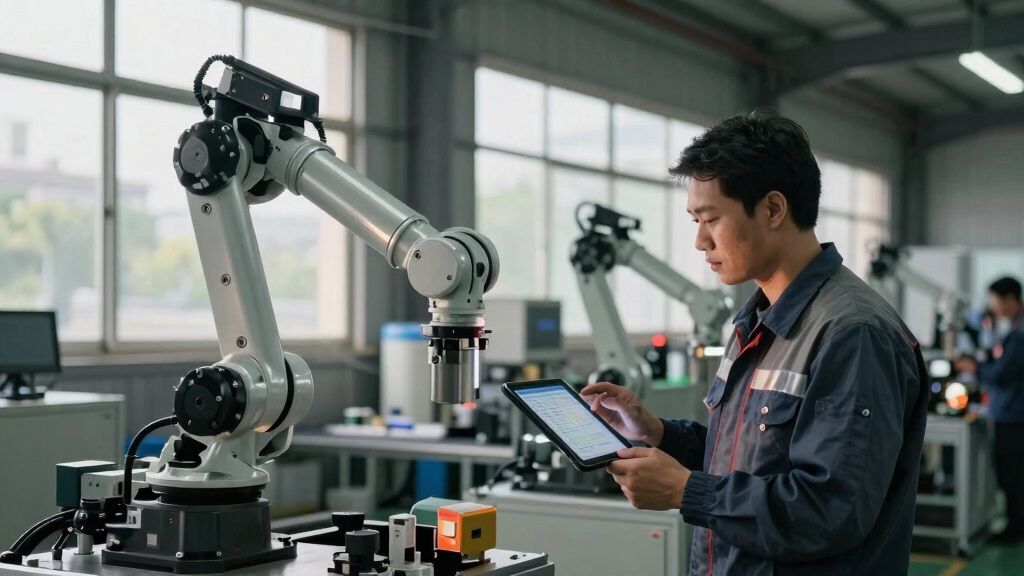
Vietnam has become a key supplier of skilled labor to Japan, supporting the country’s manufacturing and service sectors, but experts warn that artificial intelligence and rising domestic costs could threaten this dependency in the long term.
According to Japanese consulting firm ABeam Consulting, Vietnamese workers, particularly those with technical skills, are increasingly vital to Japanese industries, especially in manufacturing and technology sectors. Many Vietnamese have obtained Japanese language skills and work visas, enabling them to fill labor shortages in Japan’s aging workforce.
However, ABeam warns that long-term risks include rising operational costs in Vietnam, visa policy hurdles, and the rapid advancement of AI technology at home, which could reduce the need for human labor in the future. These factors pose challenges for Japanese companies relying heavily on Vietnamese talent.
Why It Matters
This situation is significant because it underscores the growing economic interdependence between Vietnam and Japan, with Vietnamese workers supporting Japan’s industrial output. At the same time, it highlights vulnerabilities, such as potential labor shortages if costs rise or AI replaces human roles, which could impact supply chains and economic stability for both nations.
Japanese language learning books for professionals
As an affiliate, we earn on qualifying purchases.
As an affiliate, we earn on qualifying purchases.
Background
Vietnam has seen a surge in technical trainees and workers migrating to Japan over the past decade, driven by Japan’s aging population and labor shortages. This has made Vietnam a critical source of skilled labor, especially in manufacturing hubs. Meanwhile, Japan has been investing in AI and automation to address its demographic challenges, with some experts warning that AI could eventually displace human workers, including those from Vietnam.
“Vietnamese workers are essential to Japan’s current economic stability, but rising costs and AI advancements could change this dynamic in the coming years.”
— Abe Tanaka, Japan-Vietnam economic analyst
“Many Vietnamese workers face visa hurdles and increasing costs, which could limit their ability to support Japan’s industries long-term.”
— Nguyen Van Hieu, Vietnamese labor consultant
Vietnamese technical training courses online
As an affiliate, we earn on qualifying purchases.
As an affiliate, we earn on qualifying purchases.
What Remains Unclear
It remains unclear how quickly AI will replace human labor in Japan and whether visa policies will adapt to changing economic conditions. Additionally, the long-term impact of rising costs in Vietnam on the supply of skilled workers is still uncertain.
AI automation tools for manufacturing
As an affiliate, we earn on qualifying purchases.
As an affiliate, we earn on qualifying purchases.
What’s Next
Next steps include monitoring Japan’s policy adjustments regarding visas, the pace of AI adoption in Japanese industries, and Vietnam’s economic measures to control costs. Further research and data are expected to clarify how these factors will influence the labor relationship between the two countries.
visa application guide for Japan
As an affiliate, we earn on qualifying purchases.
As an affiliate, we earn on qualifying purchases.
Key Questions
How important are Vietnamese workers to Japan’s economy?
Vietnamese workers are increasingly vital, especially in manufacturing and technical roles, helping Japan address its labor shortages caused by an aging population.
What are the main risks Vietnamese workers face in Japan?
Risks include visa hurdles, rising operational costs in Vietnam, and potential automation and AI development that could reduce the need for human labor in Japan.
Will AI replace Vietnamese workers in Japan?
It is not yet clear how quickly AI will replace human roles, but experts warn that automation could pose a long-term threat to reliance on manual labor from Vietnam.
How might Japanese policies change in response to these risks?
Japan may adjust visa policies, invest more in automation, or develop new labor strategies to mitigate potential disruptions caused by AI and rising costs.
Fall Picks
fall essentials
As an affiliate, we earn on qualifying purchases.