
TL;DR

Get tech for your team delivered free — and shop member deals
- Fast, free delivery on millions of items
- Access to Prime Big Deal Days deals on October 6–7
- Prime Video, Amazon Music and more included
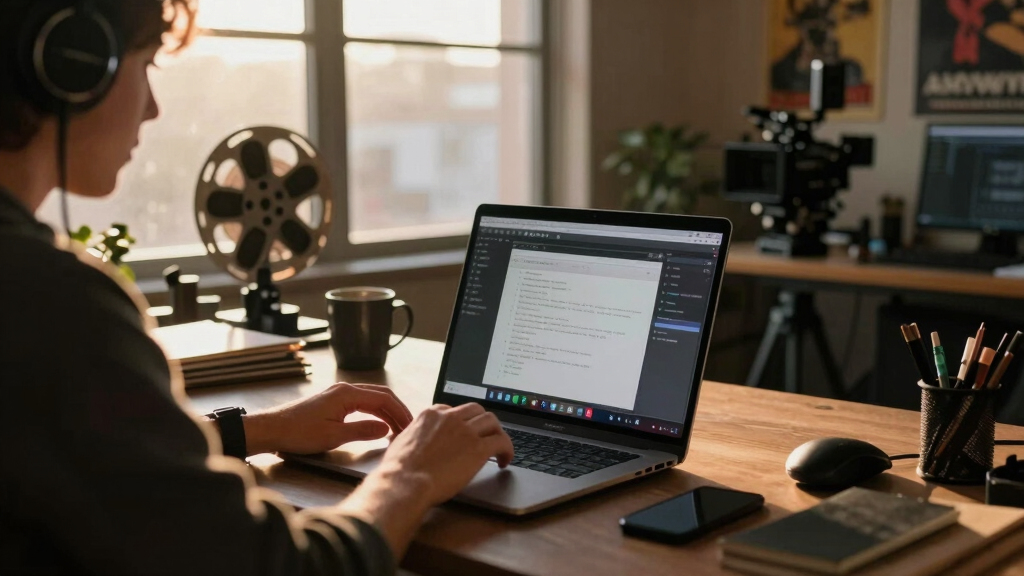
Hollywood writers and showrunners are increasingly working as AI trainers, assessing and improving chatbots and large language models. This shift is driven by economic pressures and industry disruptions, raising concerns about job security and ethical implications.
Hollywood writers and creators are secretly working as AI trainers, assessing and refining large language models and chatbots, according to multiple sources familiar with the industry.
Several industry insiders, including former screenwriters and showrunners, have confirmed that they are now employed by AI training companies. These roles involve evaluating AI-generated content, grading chatbot responses, and identifying safety risks in AI outputs. This shift appears to be a response to the economic fallout from industry strikes and the ongoing threat of automation replacing creative jobs. One worker described working for firms like Mercor and Outlier, earning $150 per hour, often performing tasks such as annotating videos, assessing chatbot tone, and testing AI safety protocols. The employment is often hidden, with workers operating under pseudonyms or anonymous profiles, due to industry sensitivities.
Why It Matters
This development highlights a significant transformation in the entertainment industry, where traditional creative roles are being supplanted or supplemented by AI-related work. It raises concerns about job security for writers and creators, as well as ethical issues surrounding the use of their work to train AI systems without clear consent or compensation. The trend also signals a broader shift towards automation in creative sectors, potentially reshaping the future of Hollywood and similar industries.
As an affiliate, we earn on qualifying purchases.
Background
In 2023, Hollywood experienced a major strike partly aimed at preventing the replacement of writers and actors by AI. The strike lasted nearly five months and disrupted the industry’s momentum. As the industry recovered, economic pressures and the allure of easy AI-related income led many writers to seek work in AI training. Reports from 2026 indicate that this work is often secretive, with workers fearing industry backlash or legal repercussions. The use of AI in entertainment has been controversial, with debates over intellectual property, ethical use of creative labor, and the transparency of AI training practices.
“I work as an AI trainer, assessing chatbot responses and safety protocols, often under pseudonyms to avoid industry backlash.”
— Anonymous Hollywood writer working as an AI trainer
“Many in Hollywood are quietly training AI to take over creative tasks, which could fundamentally change how content is made and who gets credited.”
— Former showrunner and industry insider
chatbot response evaluation software
As an affiliate, we earn on qualifying purchases.
As an affiliate, we earn on qualifying purchases.
What Remains Unclear
It remains unclear how widespread this practice is across Hollywood, whether unions will attempt to regulate or restrict AI training work, and how this shift will impact future employment and intellectual property rights. The long-term effects on creative labor are still uncertain, as are the legal and ethical frameworks governing AI training in entertainment.
As an affiliate, we earn on qualifying purchases.
What’s Next
Next steps include industry discussions about union protections, potential regulation of AI training roles, and transparency initiatives. Further investigations are expected to reveal the full extent of this trend and its implications for Hollywood workers and intellectual property rights.
As an affiliate, we earn on qualifying purchases.
Key Questions
Are Hollywood writers being replaced by AI?
While AI is increasingly used for training and testing, there is no evidence that writers are being directly replaced yet. However, the trend raises concerns about future job security.
Are these AI training jobs officially recognized or unionized?
Most AI training work appears to be secretive and not formally recognized or unionized, often done under pseudonyms to avoid industry backlash.
What are the ethical concerns surrounding this practice?
Key issues include lack of transparency, potential exploitation of creative labor, and the use of proprietary content without clear consent or compensation.
Could this trend affect the quality of future entertainment content?
Potentially, yes. Heavy reliance on AI training and automation could influence creative standards, originality, and diversity in content production.
Halloween Picks
halloween
As an affiliate, we earn on qualifying purchases.