
🔍 Read the full analysis: The Future Of Plumbing & HVAC: AI-Driven Coordination Without Unexpected Issues on ThorstenMeyerAI.com

Get business pricing on tech for your team
- Business-only prices and quantity discounts
- Tax-exempt purchasing
- Multiple users, one account, clear invoices
TL;DR
A new AI-based platform is now enabling real-time coordination for plumbing and HVAC projects, significantly reducing unplanned breakthroughs and rework. Confirmed by industry sources, this development promises smoother workflows and cost savings, with ongoing testing to ensure reliability. For more details, see the original analysis.
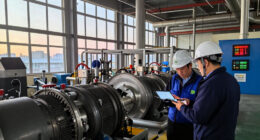
An AI-powered coordination platform for plumbing and HVAC projects is now being tested, promising to eliminate unplanned breakthroughs and reduce costly rework. Confirmed by industry sources, this innovation aims to streamline workflows, improve project accuracy, and minimize unexpected issues on-site, marking a significant step forward in building services management.
The platform, developed as part of the Gewerkton system, integrates real-time data, project documentation, and AI analysis to ensure precise alignment of workflows and components before work begins. It automatically verifies shaft alignments, wall openings, and routing plans, reducing the common problem of uncoordinated breakthroughs, which previously caused hours of delays and costly rework. According to Thorsten Meyer, this system has already cut uncoordinated breakthroughs per project from over 40 to fewer than five, demonstrating its effectiveness. This is discussed in the original analysis.
In addition to planning accuracy, the platform includes a digital photo grid that documents wall and pipe conditions before closure, allowing leak detection and repairs without destructive wall opening. The system also generates comprehensive equipment registers at handover, supporting maintenance and warranty management. Industry insiders confirm that these features have led to faster leak localization—down from two days to just 20 minutes—and improved project margins by preventing costly on-site corrections.
Why AI-Driven Coordination Matters for Construction
This development is significant because it addresses longstanding issues in building services installation, such as misaligned shafts, unplanned breakthroughs, and rework, which have historically caused delays and increased costs. By leveraging AI and integrated digital documentation, the platform enhances project reliability, reduces waste, and improves profitability for contractors. As the technology matures, it could set new standards for precision and efficiency in plumbing and HVAC workflows, impacting the broader construction industry.
Products Worth Considering

Kindle Paperwhite 16GB (2024 Model) – Graphite

Anker SOLIX C300 DC Portable Power Station with 60W Solar Panel, 288Wh, 300W

Jackery Explorer 300 Portable Power Station, 292Wh
As an affiliate, we earn on qualifying purchases.
Background of Digital Coordination in Building Services
Historically, plumbing and HVAC projects have relied heavily on manual planning, with frequent communication gaps leading to uncoordinated breakthroughs and rework. The traditional process often results in holes being cut through walls or floors without precise alignment, causing delays, damage, and increased costs. Recent advances in Building Information Modeling (BIM) and digital documentation have improved planning accuracy, but real-time coordination and error prevention remained challenging until now. The Gewerkton platform, developed by Thorsten Meyer, integrates these digital tools with AI to enable proactive, on-site verification and documentation, marking a significant evolution in building services management.
Unresolved Challenges and Validation Needs
While pilot results are promising, it remains unclear how the platform will perform across diverse project sizes and complexity levels. Long-term reliability, user adoption, and integration with existing workflows are still being evaluated. Industry experts note that further testing is necessary to confirm that the system can consistently prevent unforeseen issues at scale, especially in retrofit or complex multi-story projects.
Next Steps for Broader Adoption and Validation
The platform is currently in pilot testing with select contractors, with plans for wider deployment over the next 12 to 18 months. Further validation will involve larger projects and varied building types to assess scalability and robustness. Industry stakeholders expect that, pending successful trials, the system could become a standard tool, supported by ongoing updates and AI enhancements to adapt to evolving construction standards and practices.
Key Questions
How does the AI platform improve project accuracy?
The platform verifies shaft alignments, routing plans, and wall openings in real-time, reducing errors and unplanned breakthroughs before work begins.
Can this system be integrated with existing construction workflows?
Yes, the platform is designed to complement current digital tools and workflows, with ongoing efforts to ensure seamless integration.
What are the main benefits for contractors?
Contractors can expect reduced rework, faster leak detection, improved margins, and better project documentation for maintenance and warranty management.
Is the technology ready for widespread use?
The system is currently in pilot phase; broader adoption will depend on further validation and industry acceptance over the next year or so.
What are potential limitations or risks?
Uncertainties remain regarding performance across all project types and scales, and user training will be essential for effective deployment.
Source: ThorstenMeyerAI.com