📊 Full opportunity report: 7 Elements Of A Made-in-USA Claims Substantiation File on IdeaNavigator AI — validation score, market gap, and execution plan.

Get business pricing on tech for your team
- Business-only prices and quantity discounts
- Tax-exempt purchasing
- Multiple users, one account, clear invoices
TL;DR
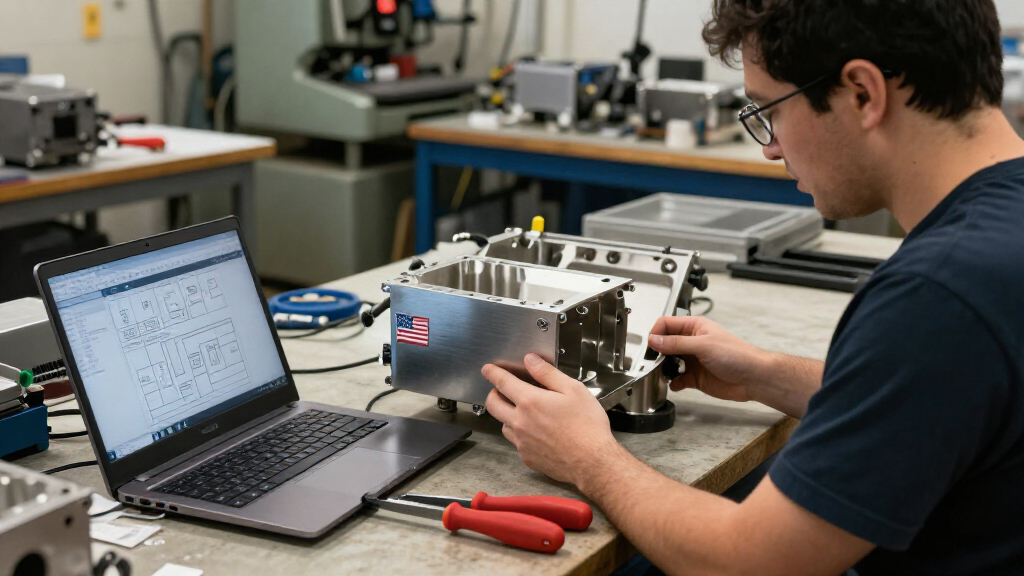
IdeaNavigator AI proposes a living substantiation file that links each product’s U.S.-origin claim to its materials, suppliers and assembly location. The proposal describes an operational workflow, not a confirmed FTC enforcement announcement or an established compliance requirement with a new deadline.
IdeaNavigator AI has proposed a living substantiation file for consumer brands making Made-in-USA claims, connecting product records to bills of materials, supplier affidavits and assembly locations. The proposal is a suggested compliance-software workflow, not evidence that a new Federal Trade Commission enforcement sweep has been confirmed.
The proposal identifies a recurring records problem: a brand may print an origin claim on packaging but fail to keep the supporting documentation together as suppliers and production arrangements change. If a supplier moves work to an overseas factory, the brand may need to determine which products and claims are affected. IdeaNavigator AI says relevant proof can otherwise be scattered across email and purchasing records, making a response to an inquiry labor-intensive.
Its suggested file has seven practical elements: a product or SKU register; the exact origin claim used for each product; a bill of materials; supplier affidavits; the location where assembly takes place; a current claim-status rating; and a process for recording supplier changes and notifying compliance staff. The proposal does not provide a standardized legal checklist or say that these seven elements alone establish that a claim is lawful.
For a minimum viable product, IdeaNavigator AI suggests linking each SKU to its materials, affidavits and assembly location, then assigning a red, yellow or green status to claims by product line. Supplier-change alerts would flag products for review before marketing uses the claim. The business concept pairs an annual subscription priced by SKU count with a separately priced audit-response module. To test demand, it proposes offering a fixed-fee review to 15 brands and tracking how many move to ongoing monitoring.
7 Elements Of A Made-in-USA Claims Substantiation File
IdeaNavigator AI proposes a living file linking each product’s origin claim to its materials, suppliers and assembly location. It is an operational proposal, not a confirmed FTC enforcement announcement or official checklist.
What the file would track
The proposed records connect each product’s claim to the evidence behind it.
SKU and exact claim
Register each product and record the precise origin claim used for it.
Bill of materials
Link the product’s materials to its supporting records.
Affidavits and changes
Keep supplier affidavits and record changes that may affect a claim.
Location and status
Track assembly location and a current claim status for review.
How the workflow could help
Product-level links and alerts could help teams spot claims needing attention when sourcing changes.
Connect each SKU to its materials, affidavits and assembly location.
Use red, yellow or green as an internal way to prioritize review.
Alert compliance staff so affected claims can be reviewed before marketing uses them.
Proposal versus established facts
- A living product-level substantiation file
- Subscription priced by SKU count, plus an audit-response module
- Fixed-fee reviews offered to 15 brands to test demand
- No official FTC checklist is identified
- The claimed April 2026 enforcement sweep lacks supporting agency details
- No pilot results, finalized prices or legal adequacy are established
The Cost of Missing Supplier Changes
The operational issue is not only whether a company has records, but whether those records still describe the product being sold. A change in a component’s origin, supplier or assembly arrangement could make older documentation incomplete or require a fresh review. A central file with product-level links and change alerts could help compliance and operations teams identify which claims need attention before packaging or marketing materials go out.
For readers at consumer brands, the proposal also draws a distinction between collecting documents and maintaining substantiation over time. A file is useful only if its information is current, tied to the right SKU and reviewed when sourcing changes. The suggested color ratings may help teams prioritize work, but they are an internal tracking device, not a legal determination or guarantee against regulatory action.
Products Worth Considering

Apple MacBook Air 13-inch with M5 chip, 16GB Memory, 1TB SSD, Starlight

DJI Mini 3 Drone with DJI RC and 3-Axis Gimbal

Bose QuietComfort Wireless Noise Cancelling Headphones, Sandstone
As an affiliate, we earn on qualifying purchases.
A Proposal, Not an FTC Notice
IdeaNavigator AI frames the idea as a narrow first workflow for a compliance or operations lead at a consumer brand that prints origin claims on packaging. Its description says brands can lose track of the evidence behind those claims as supplier information changes. It proposes software to keep product records connected and to alert staff when a supplier change may affect a claim.
The proposal also says the Federal Trade Commission opened an enforcement sweep on origin claims in April 2026, describing it as a shift from a dormant paperwork obligation to active exposure. That date and characterization are not independently supported by details in the material provided: it names no FTC announcement, cases, penalties, companies or agency documents. Readers should treat the asserted sweep as an unverified claim, rather than as established news or a confirmed change in enforcement status.
Enforcement Claims Need Verification
The proposal does not cite documentation establishing the claimed April 2026 FTC sweep, explain what enforcement actions or penalties it refers to, or identify any affected businesses. It also gives no legal analysis explaining how the proposed seven elements relate to the requirements that apply to a particular product or claim. The outline therefore does not establish that every listed record is legally required, that the list is sufficient, or that a red-yellow-green system is accepted by regulators.
Other practical details remain open: how supplier affidavits would be checked, how often files would be refreshed, who would approve a claim, and how a business would handle incomplete or conflicting records. No product launch, customer adoption, audit results, pricing figures or conversion data are reported. The suggested 15-brand test is a proposed validation method, not a completed trial.
Testing the Workflow With Brands
The next step described by IdeaNavigator AI is to offer fixed-fee substantiation audits to 15 brands already using origin claims and measure whether those customers take up a continuing monitoring subscription. That would test commercial interest in the service, but would not by itself verify the legal adequacy of the proposed file or confirm the reported enforcement sweep.
Before brands treat the concept as a compliance solution, they would need to check applicable requirements with qualified counsel and verify any current FTC enforcement claims against agency records. The proposal does not give a timetable for the pilot, name participating brands or say when a software product might be available.
Source: IdeaNavigator AI
Key Questions
What is the proposed substantiation file?
It is a suggested system that links each product’s origin claim to its bill of materials, supplier affidavits and assembly location, with a process for recording changes and flagging claims for review.
Are the seven elements an official FTC checklist?
No official checklist is identified in the proposal. The seven elements are a proposed operational framework, and the material does not establish that they are legally required or sufficient for every claim.
Has the FTC confirmed an April 2026 enforcement sweep?
The proposal asserts that a sweep began in April 2026, but provides no agency announcement, case details or other supporting documentation. That claim is not independently verified here.
How would the proposed service make money?
IdeaNavigator AI suggests an annual subscription tiered by a brand’s SKU count, plus a separately priced audit-response module. It reports no finalized prices or customer results.
What would happen next?
The suggested test is to offer fixed-fee audits to 15 brands and measure conversion to ongoing monitoring. No schedule, participating brands or completed pilot results are provided.
Source: IdeaNavigator AI