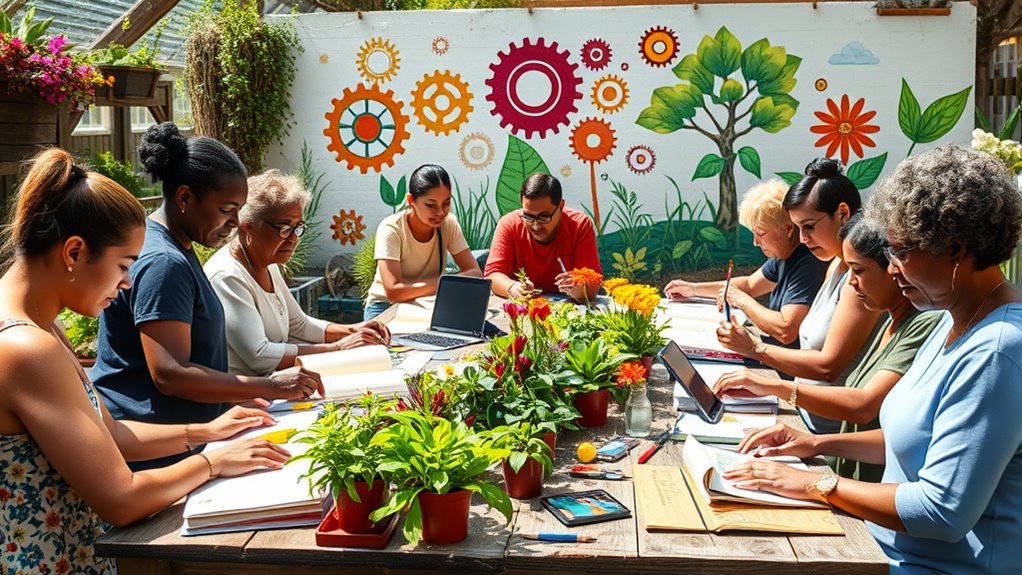

In a post-work world shaped by automation and AI, your education needs to focus on lifelong learning rather than just job prep. This means continuously developing adaptable skills like problem-solving, digital literacy, and communication. Emphasizing a growth mindset helps you stay flexible and resilient to change. By embracing ongoing learning, you prepare yourself for evolving roles and industries. Keep exploring how to sharpen your abilities beyond traditional schooling—you’ll discover ways to thrive in tomorrow’s landscape.

Get business pricing on tech for your team
- Business-only prices and quantity discounts
- Tax-exempt purchasing
- Multiple users, one account, clear invoices
Key Takeaways
- Education must shift from job-specific skills to fostering adaptable, growth-minded learners prepared for continuous change.
- Lifelong learning through diverse sources equips individuals to stay relevant in evolving industries.
- Developing transferable skills like problem-solving and communication enhances career resilience beyond specific roles.
- Emphasizing a growth mindset encourages embracing new challenges, languages, and interdisciplinary knowledge.
- Practical application of new skills in real-world scenarios supports ongoing personal and professional development.
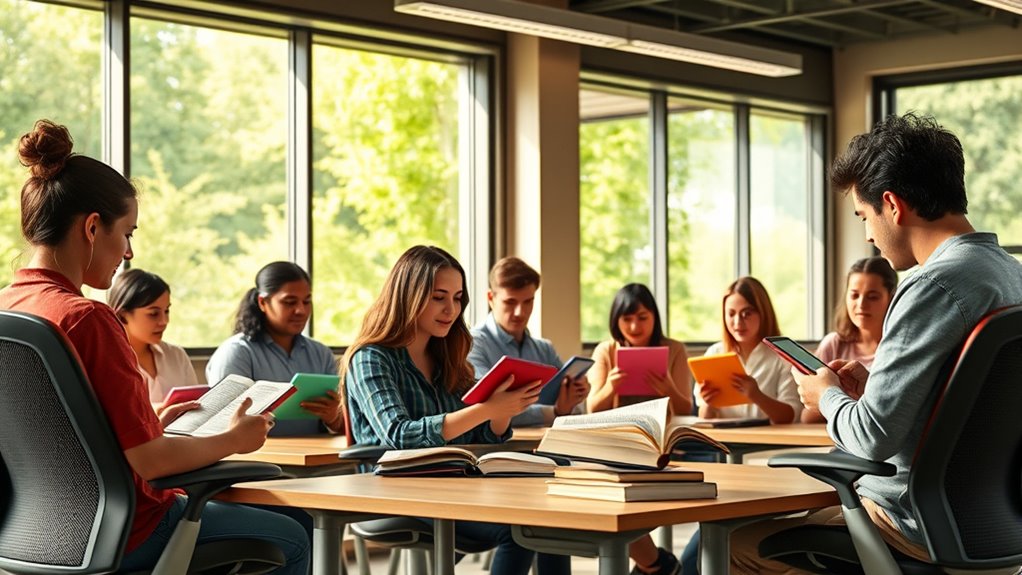
As automation and artificial intelligence continue to transform the job market, the very concept of work is shifting. Traditional careers are no longer linear, and the stability once associated with a single profession is fading. In this evolving landscape, your ability to engage in lifelong learning becomes essential. You need to develop skill adaptability—an ongoing process of acquiring, refining, and applying new skills—to stay relevant. The days of mastering a single skill or job and sticking with it are gone. Instead, you’re encouraged to view education as a continuous journey, not just a phase to prepare for a specific role.
Lifelong learning isn’t just a buzzword; it’s a necessity. As industries change rapidly, the knowledge you acquire today could become outdated tomorrow. You’ll need to actively seek out new information, tools, and techniques to keep pace with technological advancements. This means embracing a mindset of curiosity, being open to learning from various sources—online courses, workshops, peer collaborations, or even self-study—and applying what you learn in real-world scenarios. The more flexible you are in your approach to education, the better equipped you’ll be to pivot when new opportunities or challenges arise.
Skill adaptability is the cornerstone of thriving in a post-work world. It’s about more than just technical know-how; it involves cultivating a versatile mindset that allows you to transfer skills across different domains. For example, problem-solving, communication, and digital literacy are increasingly valuable across many fields. When you focus on building these transferable skills, you become more resilient and capable of navigating change. You’ll find that your ability to quickly learn new tools or shift between roles will determine your career longevity more than specific technical expertise alone.
In this new era, education becomes less about memorizing facts and more about developing a flexible, growth-oriented mindset. You’re encouraged to seek out experiences that challenge you and expand your capabilities. This might mean taking on projects outside your comfort zone, learning new languages, or exploring interdisciplinary subjects. The goal isn’t just to prepare for a specific job but to equip yourself with the mindset and skills necessary for continuous adaptation. By embracing lifelong learning and skill adaptability, you position yourself to thrive regardless of how the job landscape evolves.
Furthermore, incorporating innovative indoor gardening solutions like self-watering or waterless planters can serve as a practical example of adaptability and ongoing learning, demonstrating how embracing new tools can enhance your environment and skills.
online courses for lifelong learning
As an affiliate, we earn on qualifying purchases.
As an affiliate, we earn on qualifying purchases.
Frequently Asked Questions
How Will Lifelong Learning Be Funded in a Post-Work Society?
In a post-work society, you’ll find lifelong learning funded through alternative funding models like government grants, community pools, and corporate sponsorships. You might also benefit from lifelong sponsorship programs, where companies or organizations support your ongoing education as part of their social responsibility efforts. These approaches guarantee that learning remains accessible, flexible, and continuous, helping you adapt and grow regardless of employment status.
What Role Will Technology Play in Personalized Education?
Imagine a guiding compass, pointing you toward personalized growth—technology makes this possible. You’ll use adaptive assessments to tailor lessons to your pace and style, while virtual mentorship connects you with experts worldwide. This digital landscape creates a dynamic, interactive learning journey that adapts in real-time, ensuring you receive precisely what you need to thrive. Technology becomes your personalized coach, transforming education into a lifelong adventure.
How Can Education Address Social Inequalities in a Post-Work World?
You can address social inequalities by supporting equity initiatives that guarantee all students have access to quality education. Incorporate inclusive curricula that reflect diverse perspectives and experiences, fostering understanding and empathy. Advocate for policies that reduce disparities in resources and opportunities. By doing so, you help create an educational environment where everyone, regardless of background, can thrive and contribute meaningfully in a post-work world.
Will Traditional Degrees Remain Relevant in the Future?
You might be surprised to learn that 70% of employers still prioritize degrees when hiring. Traditional degrees will likely stay relevant, but their credential relevance could shift as skills become more valued. While a degree may not always be necessary for every job, it still holds weight in many fields. You should stay adaptable, focusing on continuous learning and skills, as the importance of formal qualifications evolves in a post-work world.
How Can Communities Support Ongoing Learning Outside Formal Institutions?
You can support ongoing learning outside formal institutions by fostering community engagement and encouraging informal learning. Join local groups, workshops, or book clubs to share knowledge and skills. Volunteer to teach or mentor others, creating opportunities for peer-to-peer learning. Promote accessible spaces like community centers and libraries where people can gather, learn, and grow together. Your active participation helps build a culture that values continuous, informal education for everyone.
problem-solving skills training book
As an affiliate, we earn on qualifying purchases.
As an affiliate, we earn on qualifying purchases.
Conclusion
As you step into this new world, imagine education as a vibrant garden, blooming beyond mere job skills. It’s about nurturing curiosity, creativity, and lifelong growth. Picture yourself wandering through endless fields of knowledge, not just to work but to live fully. Embrace this shift, where learning becomes a continuous journey—an ever-expanding horizon that sparks your imagination and fuels your passions long after the workday ends.
As an affiliate, we earn on qualifying purchases.
communication skills development course
As an affiliate, we earn on qualifying purchases.
As an affiliate, we earn on qualifying purchases.
Halloween Picks
halloween
As an affiliate, we earn on qualifying purchases.