

In a post-labor economy, automation reshapes public sector jobs by streamlining services, reducing manual tasks, and expanding digital engagement with citizens. You’ll see more online applications, real-time tracking, and virtual consultations, making government services more efficient and accessible. While automation shifts roles from routine to strategic work, it also presents new opportunities for jobs in data analysis and cybersecurity. To understand how these changes impact your community and workforce, keep exploring how technology is transforming government roles.
Key Takeaways
- Automation streamlines public services, reducing manual roles and reallocating workforce toward strategic and policy-oriented tasks.
- Government jobs will evolve, emphasizing digital management, data analysis, and cybersecurity, while routine positions decline.
- Workforce adaptation requires retraining in digital literacy and technological skills to maintain employment relevance.
- Increased automation enhances transparency and citizen engagement but may require inclusive digital access initiatives.
- Public participation remains vital in shaping technology-driven governance to ensure equitable service delivery and community involvement.

Automation is transforming the public sector by streamlining processes, reducing costs, and improving service delivery. As governments adopt new technologies, digital governance becomes central to how you interact with public agencies. Instead of waiting in long lines or navigating complex paperwork, you can now access many services online with just a few clicks. Digital platforms allow you to submit applications, pay taxes, or request permits swiftly and securely. This shift not only saves time but also increases transparency, making it easier for you to track the progress of your requests and hold agencies accountable. As a result, the focus moves from manual, paper-based systems to efficient, digital workflows that serve you better.
Automation streamlines public services, saving time and increasing transparency through efficient digital workflows.
With automation handling routine tasks, government employees can dedicate more time to strategic initiatives that directly benefit the community. Instead of spending hours on repetitive administrative work, staff can focus on issues like policy development, community outreach, and improving public safety. This change can lead to more innovative solutions and improved civic engagement. When governments leverage digital governance tools, you’re empowered to participate more actively in decision-making processes. Online consultations, public forums, and digital surveys make it easier for you to voice your opinions and influence policies. This increased civic engagement fosters a sense of shared responsibility and helps ensure that government actions align more closely with community needs. Additionally, the integration of advanced projector technology in public spaces can enhance community events, education, and information dissemination, fostering greater public involvement.
However, as automation reshapes the public sector, it also raises questions about job security within government. Some roles may become redundant or greatly altered, prompting concerns about unemployment or the need for retraining. Yet, it also opens opportunities for new kinds of jobs focused on managing and developing digital systems, data analysis, and cybersecurity. For you, this means that the workforce will need to adapt by acquiring new skills, emphasizing digital literacy and technological proficiency. Governments might need to invest in training programs to help current employees transition into these new roles, ensuring that automation enhances rather than diminishes public service quality.
Ultimately, automation in the public sector is a double-edged sword. While it promises greater efficiency, transparency, and citizen participation, it also demands adjustments from both government workers and the public. Your role in this evolving landscape is essential—you can advocate for inclusive digital governance that amplifies civic engagement and ensures that technology serves everyone equally. As governments continue to automate, your active involvement will help shape a future where public services are more accessible, responsive, and aligned with the needs of your community.
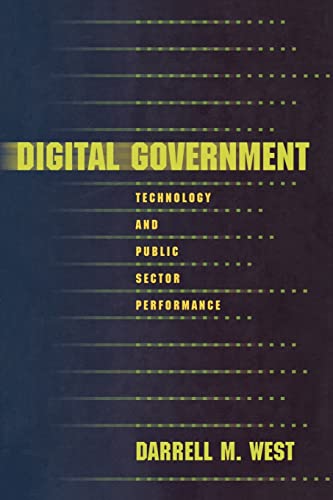
Digital Government: Technology and Public Sector Performance
Used Book in Good Condition
As an affiliate, we earn on qualifying purchases.
As an affiliate, we earn on qualifying purchases.
Frequently Asked Questions
How Will Automation Impact Public Sector Employment Levels Long-Term?
Automation will likely reduce public sector employment over time, but your approach can mitigate this impact. By fostering private sector collaboration, you can develop new roles and reskill workers, ensuring stability. Staying informed on international policy developments helps adapt strategies and secure funding. Embracing automation thoughtfully, with proactive planning, allows you to balance efficiency gains while preserving essential public services and jobs in the long-term.
What New Skills Will Government Workers Need in a Post-Labor Economy?
You’ll need strong digital literacy skills to adapt to new technologies and manage automated systems efficiently. Ethical reasoning becomes essential as you navigate complex issues like data privacy and algorithm fairness. While automation might reduce some roles, your ability to think critically, stay tech-savvy, and uphold ethical standards will make you indispensable. Don’t fear change—embrace these skills, and you’ll thrive in a transformed public sector landscape.
How Can Government Ensure Equitable Access to Automation Benefits?
You can guarantee equitable access to automation benefits by addressing the digital divide through targeted infrastructure investments and affordable internet programs. Implementing policy equity measures guarantees that underserved communities get fair opportunities to benefit from automation advancements. You should also promote inclusive digital literacy initiatives and monitor progress regularly. These actions help bridge gaps, ensuring everyone shares in the advantages of automation and technology’s transformative potential.
What Funding Models Support Expanded Government Roles Amidst Automation?
You can support expanded government roles through public funding and innovative partnership models. Public funding guarantees resources are available for automation projects that benefit all citizens, while partnership models—like collaborations with private sector or community organizations—maximize efficiency and inclusivity. By combining these approaches, you create a sustainable framework that promotes equitable access, encourages innovation, and adapts to the evolving needs of a post-labor economy.
How Will Public Trust Change With Increased Automation in Government Services?
You’ll likely see public trust shift as automation grows, but it depends on how well governments maintain digital transparency and foster civic engagement. When you can easily access clear information and participate in decision-making, trust increases. However, if automation feels opaque or excludes your voice, skepticism may rise. Staying transparent and encouraging civic involvement are essential to building confidence in automated government services.

Means of Control: How the Hidden Alliance of Tech and Government Is Creating a New American Surveillance State
As an affiliate, we earn on qualifying purchases.
As an affiliate, we earn on qualifying purchases.
Conclusion
As automation reshapes the job landscape, you might wonder if the public sector will become a refuge or a new frontier. While technology can streamline government services, it also raises questions about job security and the evolving role of public workers. Will government jobs adapt to these changes or fall behind? Embracing innovation now can guarantee you’re part of a future where public service remains essential, relevant, and resilient in a post-labor economy.

IT Readiness Assessment Checklist: A 352-Point Cybersecurity & Technology Evaluation Tool for Fire Departments, EMS, and Public Safety Agencies
As an affiliate, we earn on qualifying purchases.
As an affiliate, we earn on qualifying purchases.

Risk, Resilience, and Cybersecurity in Complex Systems and Public Sectors
As an affiliate, we earn on qualifying purchases.
As an affiliate, we earn on qualifying purchases.