
Shifting from labor-intensive work to creative and care roles allows you to prioritize personal growth and meaningful connections over endless hustle. You can enjoy more flexible hours, better work-life balance, and work environments tailored to your needs. Developing new skills like communication, empathy, and technical abilities keeps your career exciting and versatile. This progression not only boosts your confidence and purpose but also guides you toward a more sustainable, fulfilling lifestyle—exploring how to make this change is just ahead.
Open a free Amazon Business account
Business pricing, bulk buying and tax-exempt orders.
As an affiliate, we earn on qualifying purchases.
Key Takeaways
- Transitioning to creative and care roles enhances work-life balance and prioritizes personal growth over traditional hustle.
- Developing new skills like empathy, communication, or technical abilities opens diverse career opportunities.
- Engaging in meaningful work boosts fulfillment, confidence, and overall well-being.
- Learning to recognize and manage challenging interpersonal behaviors strengthens resilience and boundary-setting.
- A career shift fosters a sustainable lifestyle aligned with passions, purpose, and long-term personal development.
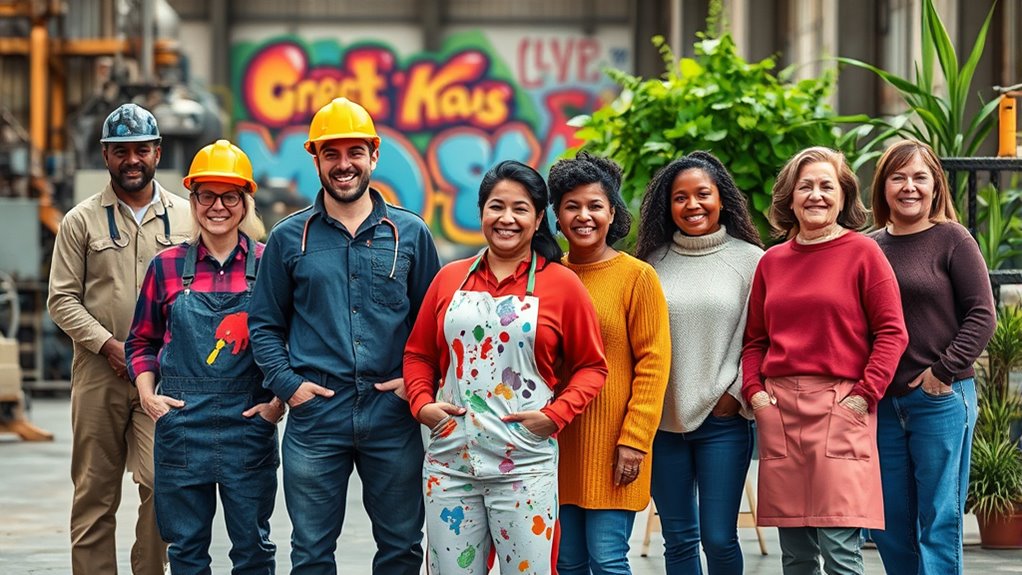
Many people are now discovering that switching to creative and care professions can bring greater fulfillment and purpose. If you’re considering this shift, you’ll find that these careers often prioritize personal growth and meaningful interactions over the traditional hustle. One of the key benefits is achieving a better work-life balance. Unlike many demanding labor jobs, creative and care roles often offer flexible hours, opportunities for self-expression, and a focus on well-being—for both yourself and those you serve. This balance allows you to step back from the relentless grind and create space for your passions, relationships, and health. It might mean fewer long hours or rigid schedules, but it also means you can design your work environment to suit your needs better.
Transitioning into these fields also fuels skill development in ways that labor roles rarely provide. When you move into a creative profession, you tap into your imagination, learn to communicate your ideas effectively, and develop new technical skills—whether it’s graphic design, writing, music, or multimedia production. These skills are not only fulfilling but also versatile, opening doors to various opportunities down the line. Similarly, care professions demand empathy, active listening, problem-solving, and patience. These are invaluable skills that improve your personal and professional relationships and make you a more well-rounded individual.
The process of skill development in creative and care careers is also inherently rewarding. You see tangible progress as you hone your craft or deepen your understanding of others’ needs. Unlike repetitive labor, where the focus may be on efficiency, these careers challenge you to grow constantly. You learn from clients, colleagues, and your own experiences, making each day an opportunity to improve and innovate. This ongoing learning keeps your work engaging and prevents stagnation.
Furthermore, understanding gaslighting and other narcissistic behaviors can help you navigate and protect yourself in these new career paths, especially if you encounter challenging interpersonal dynamics.
Making the switch requires courage, but it’s a move toward a more sustainable and enriching lifestyle. As you develop new skills, you’ll notice how your confidence grows, and your work feels more purposeful. This sense of purpose is often missing in traditional labor roles, which can leave you feeling disconnected or unfulfilled. In creative and care professions, your efforts directly impact others’ lives, giving your work deeper meaning. Plus, with a focus on continuous skill development, you’re better equipped to adapt to changing job markets and personal aspirations.
Ultimately, shifting into these professions isn’t just a career change; it’s a chance to redefine your relationship with work. You gain more control over your schedule, grow your abilities, and find a renewed sense of purpose—all while maintaining a healthier work-life balance. It’s about crafting a life where your passions and well-being come first, making your work not just a paycheck but a source of genuine satisfaction.
As an affiliate, we earn on qualifying purchases.
Frequently Asked Questions
How Do I Start Transitioning Into a Creative or Care Profession?
To start shifting into a creative or care profession, focus on building a strong portfolio that showcases your skills and passion. Network actively by attending industry events, joining online communities, and connecting with professionals. Seek internships or volunteer opportunities to gain experience. Stay open to learning, and don’t hesitate to reach out for advice or mentorship. Your dedication and strategic efforts will pave the way for a successful career shift.
What Skills Are Most Valued in Creative and Care Industries?
You need to know that skills like empathy, communication, and adaptability are highly valued in creative and care industries. Transferable skills such as problem-solving and teamwork can give you a leg up, while industry knowledge helps you stand out. Remember, it’s a two-way street—your ability to listen and connect often matters more than technical expertise initially. Keep honing these skills, and you’ll be well on your way.
Are There Specific Certifications or Training Programs Recommended?
You should consider certification programs and training courses that align with your chosen field. Look for reputable options like creative arts certifications or specialized care training programs to boost your skills. These credentials not only enhance your expertise but also make you more competitive in the industry. By completing targeted training courses, you demonstrate your commitment and readiness to excel in creative or care professions.
How Can I Financially Support Myself During the Career Shift?
Think of your career shift as steering a ship through calm waters. To stay afloat financially, focus on solid financial planning and create a side income that supports your transition. Save diligently, cut unnecessary expenses, and explore freelancing or part-time work related to your new field. This way, you’ll maintain stability while you navigate toward your creative and care profession, ensuring you don’t veer off course.
What Challenges Might I Face When Changing Careers Later in Life?
When changing careers later in life, you might face age-related obstacles like limited opportunities or biases. Emotional resilience becomes essential as you navigate unfamiliar fields and potential setbacks. You may also grapple with balancing financial stability and learning new skills. Staying adaptable and confident helps you overcome these challenges, proving that your experience and determination can open doors to rewarding creative or care professions, regardless of age.
care profession training courses
As an affiliate, we earn on qualifying purchases.
As an affiliate, we earn on qualifying purchases.
Conclusion
As you consider shifting to a creative or care profession, remember it’s a meaningful change that can bring fulfillment. For example, imagine Sarah, who left her corporate job to become a community nurse, finding purpose in helping others daily. Your skills and passions can lead to a more rewarding career. Embrace the changeover, stay open to learning, and trust that this shift can create a more satisfying, impactful life for you.
As an affiliate, we earn on qualifying purchases.
As an affiliate, we earn on qualifying purchases.
Fall Picks
fall essentials
As an affiliate, we earn on qualifying purchases.