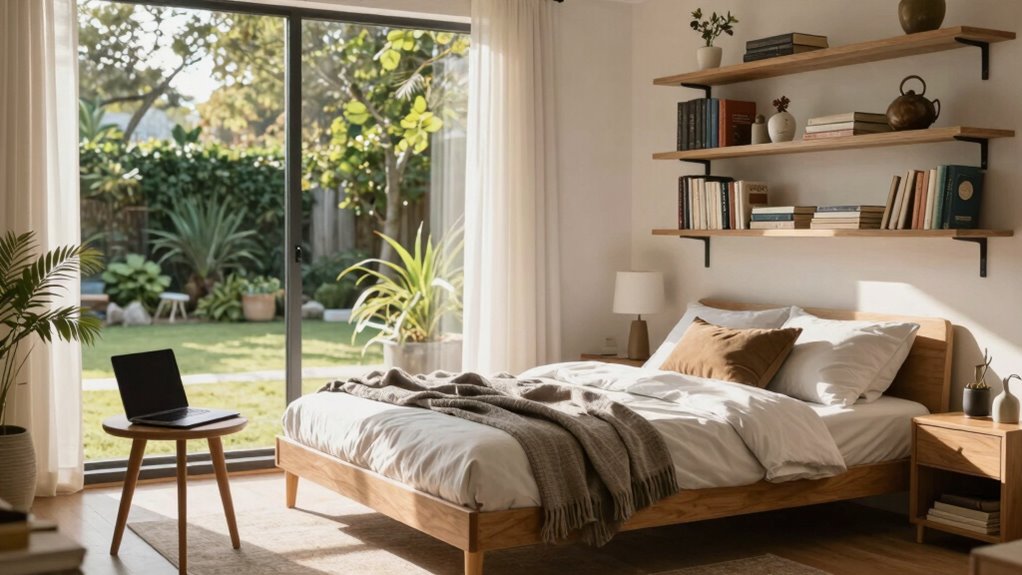

In the remote economy, you can turn spare rooms into steady income sources by listing them on platforms like Airbnb or Vrbo. With remote work boosting demand for short-term rentals, it’s a smart way to monetize unused space. However, understanding local zoning laws and regulations is vital to stay compliant and avoid fines. If you keep exploring, you’ll uncover essential tips on making your rental both profitable and legally sound.

Get business pricing on tech for your team
- Business-only prices and quantity discounts
- Tax-exempt purchasing
- Multiple users, one account, clear invoices
Key Takeaways
- The rise of remote work has increased demand for short-term rentals, turning spare rooms into income sources.
- Platforms like Airbnb simplify the process of listing and monetizing unused spaces.
- Understanding local zoning laws ensures legal compliance and avoids fines or eviction.
- Meeting hotel and safety regulations enhances guest trust and rental reliability.
- Responsible renting benefits communities, protects hosts legally, and maximizes earning potential.
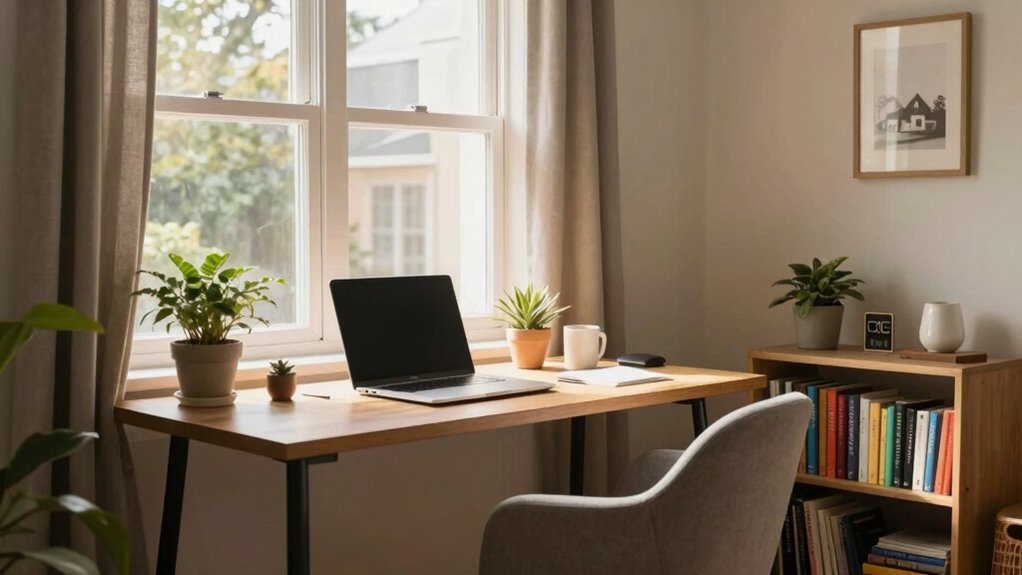
Many homeowners overlook the potential of spare rooms, yet these spaces can become valuable economic assets. The rise of the remote economy has opened new opportunities for turning empty bedrooms into income sources, especially through short-term rentals. You might think about listing your spare room on platforms like Airbnb or Vrbo, but before diving in, it’s essential to understand the rules that govern your property. Local zoning laws and hotel regulations vary widely depending on where you live, and they can considerably impact your ability to rent out your space legally.
Transform your spare room into income by understanding local zoning laws and hotel regulations first.
Local zoning is often the first hurdle. Some areas have strict regulations that limit or outright prohibit short-term rentals, aiming to preserve neighborhood character or address housing shortages. Before you start, check with your city or county zoning office to see if your property is zoned for this type of use. If it’s not, you might need to apply for a special permit or consider alternative ways to monetize your spare room. Ignoring these rules can lead to fines or even forced eviction from the platform, so it’s better to be informed upfront. Understanding local zoning regulations can help you navigate these challenges more effectively.
Hotel regulations also come into play, especially if your rental activity becomes substantial. While individual homeowners are usually exempt from commercial hotel rules, local authorities might classify short-term rentals as businesses, requiring licenses or adherence to health and safety codes. This can include fire safety measures, sanitation standards, and even occupancy limits. Staying compliant with these regulations not only avoids legal trouble but also helps build trust with guests, giving your rental a professional edge. Additionally, being aware of regulatory compliance can help you maintain a good standing within your community and avoid potential disputes. Moreover, understanding how local regulations are enforced can help you adapt your rental practices accordingly.
The remote economy has made it easier for you to tap into these regulations and turn your spare room into a steady income stream. By understanding local zoning laws, you can guarantee your rental complies with community standards, avoiding costly penalties. Familiarize yourself with any licensing requirements or restrictions that might be in place, and keep your rental activities transparent and compliant. This proactive approach minimizes risks and maximizes your earning potential.
In the end, converting a spare room into an income source is about more than just listing online. It’s about steering the legal landscape carefully and responsibly. When you respect hotel regulations and local zoning, you’re not only protecting yourself but also contributing to a positive experience for your guests and your community. With the right knowledge and preparation, your spare room can become a lucrative part of your remote economy journey, turning an unused space into an ongoing source of income. Additionally, understanding the importance of complying with local regulations can help you avoid unexpected legal complications and fines.
As an affiliate, we earn on qualifying purchases.
Frequently Asked Questions
How Do Local Regulations Impact Spare Room Rentals?
Local regulations greatly influence your spare room rentals. Zoning restrictions may limit where you can host guests, requiring you to verify if your property qualifies. Tax compliance is essential; you must report rental income and possibly collect occupancy taxes. Ignoring these regulations can lead to fines or legal issues. To succeed, stay informed about your local rules, obtain necessary permits, and make sure you’re meeting tax obligations.
What Insurance Considerations Are Necessary for Hosts?
Imagine you’re walking a tightrope — that’s how essential insurance is for hosts. You need liability coverage to protect against potential insurance claims from guests or damages. Always verify your policy covers short-term rentals, and keep documentation of your coverage. Without it, you risk financial ruin if an accident occurs. Proper insurance safeguards your assets, giving you peace of mind when hosting and ensuring you’re protected against unexpected liabilities.
How Do Seasonal Trends Affect Rental Income?
Seasonal trends greatly impact your rental income because demand fluctuates throughout the year. To maximize earnings, adjust your pricing strategies during peak seasons when demand is high and lower prices during off-peak times. By understanding seasonal demand, you can optimize occupancy rates and income. Keep an eye on local events and holidays to refine your pricing and guarantee you’re competitive year-round, boosting your rental income regardless of the season.
What Are Common Challenges in Managing Spare Room Rentals?
Like a delicate dance, managing spare room rentals demands finesse. You face the challenge of maintaining clear guest communication, ensuring expectations are aligned and questions answered promptly. Balancing pricing strategies to attract bookings without undervaluing your space adds to the complexity. Unexpected issues can arise, requiring swift adjustments. Staying adaptable and attentive helps you navigate these hurdles, turning your spare room into a steady stream of income while fostering positive guest experiences.
How Do Rental Platforms Ensure Guest Safety?
Rental platforms guarantee your safety by implementing rigorous guest verification processes, such as ID checks and profile reviews. They also enforce strict safety protocols, including secure messaging, 24/7 support, and detailed listings. These measures help identify potential issues early and provide a clear way to report concerns. By prioritizing guest verification and safety protocols, platforms create a trusted environment where you can feel secure during your stay.
As an affiliate, we earn on qualifying purchases.
Conclusion
Imagine turning your spare room into a tiny treasure chest. During the pandemic, one homeowner in Austin transformed her guest room into a short-term rental, earning enough to cover her mortgage. Just like a small seed can grow into a mighty tree, your unused space holds the potential to boost your income and fuel economic growth. Embrace the remote economy—your spare room could be your next big opportunity.
short-term rental property license
As an affiliate, we earn on qualifying purchases.
As an affiliate, we earn on qualifying purchases.
As an affiliate, we earn on qualifying purchases.
Fall Picks
fall essentials
As an affiliate, we earn on qualifying purchases.