
TL;DR
Myanmar’s nominal move toward civilian government has failed to gain recognition from ASEAN, highlighting deep divisions within the regional bloc. The summit revealed ongoing disagreements over how to address Myanmar’s political crisis.
ASEAN leaders remain divided over Myanmar’s political transition, with the regional bloc failing to recognize the country’s move to civilian rule, highlighting ongoing diplomatic disagreements.
At last week’s ASEAN summit in the Philippines, Myanmar’s representative, U Hau Khan Sum, was notably marginalized, reflecting the bloc’s continued refusal to legitimize Myanmar’s government following the February 2021 military coup. While Myanmar announced a nominal transition to civilian rule, many ASEAN members consider this insufficient and have not acknowledged the legitimacy of the current government. The summit revealed persistent disagreements among member states, with some advocating for engagement and others calling for sanctions or non-recognition. The division underscores the challenge ASEAN faces in addressing Myanmar’s crisis without alienating key members or compromising regional unity.
Why It Matters
This division within ASEAN matters because the regional bloc’s ability to influence Myanmar’s political future is limited by internal disagreements. The lack of consensus hampers coordinated regional responses to the crisis, which has led to ongoing violence, humanitarian issues, and instability in Myanmar. For global stakeholders and neighboring countries, ASEAN’s inability to present a unified stance reduces the effectiveness of diplomatic efforts aimed at restoring stability and democracy in Myanmar.

Demystifying Myanmar’s Transition and Political Crisis
As an affiliate, we earn on qualifying purchases.
As an affiliate, we earn on qualifying purchases.
Background
Since the military coup in Myanmar in February 2021, ASEAN has struggled to formulate a unified response. The bloc’s initial diplomatic approach sought dialogue and a peaceful resolution, but divisions emerged over recognition and engagement with Myanmar’s military-led government. The 2026 summit marked a continuation of these tensions, with some members pushing for stronger measures and others favoring dialogue. Previous ASEAN summits have seen similar disagreements, with Myanmar often excluded from high-level meetings due to the lack of consensus.
“The situation in Myanmar remains complex, and ASEAN continues to seek a peaceful resolution through dialogue and consensus.”
— ASEAN Secretary-General Dato Lim Jock Hoi
“We are committed to supporting ASEAN’s principles but recognize the challenges in achieving consensus on Myanmar.”
— Philippine Foreign Minister
“Myanmar remains committed to its path of civilian transition and hopes for understanding among ASEAN members.”
— Myanmar’s representative, U Hau Khan Sum
ASEAN diplomatic strategy guide
As an affiliate, we earn on qualifying purchases.
As an affiliate, we earn on qualifying purchases.
What Remains Unclear
It is still unclear whether ASEAN will escalate measures such as sanctions or continue to pursue dialogue with Myanmar’s government. The bloc’s internal disagreements hinder a unified approach, and the extent of future regional actions remains uncertain.
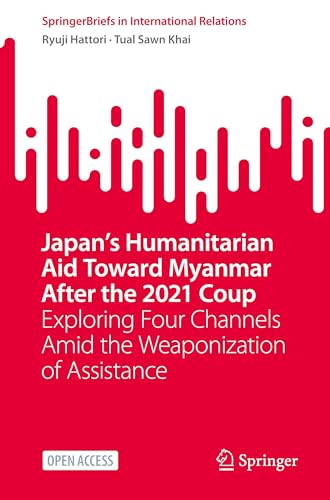
Japan’s Humanitarian Aid Toward Myanmar After the 2021 Coup: Exploring Four Channels Amid the Weaponization of Assistance (SpringerBriefs in International Relations)
As an affiliate, we earn on qualifying purchases.
As an affiliate, we earn on qualifying purchases.
What’s Next
Next steps include continued diplomatic engagement, with some ASEAN members advocating for stronger measures against Myanmar. Regional leaders are expected to revisit the issue at upcoming summits, while international actors may increase pressure for a more decisive response.

Freedom Myanmar Aung San Suu Kyi Peaceful Poster Inspired T-Shirt
Please Save our Future, Leader, Hope for Myanmar. Support Myanmar, Burmese people and community. and their democratic elections….
As an affiliate, we earn on qualifying purchases.
As an affiliate, we earn on qualifying purchases.
Key Questions
Why is ASEAN divided over Myanmar?
ASEAN is divided because some member states seek to engage with Myanmar’s government for stability, while others demand stronger actions or non-recognition due to ongoing violence and human rights issues.
What has Myanmar done to seek recognition?
Myanmar announced a nominal move toward civilian government, but this has not been widely recognized or accepted by ASEAN members, who consider it insufficient to resolve the crisis.
What are the implications for regional stability?
The ongoing disagreements weaken ASEAN’s ability to influence Myanmar’s political future and may prolong instability and humanitarian issues in the region.
Could ASEAN impose sanctions on Myanmar?
It is currently uncertain. While some members support stronger measures, the bloc’s internal divisions prevent a unified decision on sanctions or other punitive actions.