

Over-automating can lead you to rely too much on systems, causing fatigue and diminishing your ability to oversee and address subtle or unexpected issues. As automation replaces human judgment, important skills like troubleshooting and adaptation weaken, increasing your vulnerability to failures. This overconfidence may cause you to ignore warnings or miss critical signals. If you keep pushing automation without balancing human oversight, your operations could become less resilient. Stick with us to explore ways to find that essential balance.
Key Takeaways
- Excessive automation can cause fatigue and oversight, reducing humans’ ability to detect system failures.
- Over-reliance on automation diminishes critical human skills like troubleshooting and adaptive decision-making.
- Automated systems may foster false confidence, causing neglect of warnings and subtle issues.
- Balancing automation with active human oversight is essential to maintain operational resilience.
- Over-automation risks increasing errors and vulnerabilities, emphasizing the need for thoughtful integration.

Have we gone too far with automation? It’s a question that lingers as more industries turn to machines and software to handle tasks once performed by humans. While automation promises efficiency, speed, and cost savings, it also introduces a new challenge: automation fatigue. When systems become overly complex or overly relied upon, it’s easy to overlook the importance of human oversight. Automation fatigue occurs when employees or managers become overwhelmed by the constant stream of automated alerts, data, and system updates, leading to mistakes or ignored warnings. This fatigue can cause people to disengage, assuming that the automation will catch errors or handle issues automatically. But the truth is, no system is perfect. When human oversight diminishes because of overconfidence in automation, vulnerabilities emerge, and errors slip through the cracks.
You might think that automating routine tasks frees up human workers to focus on more strategic or creative endeavors, but the reality can be different. Over-automation can lead to a false sense of security, where you believe that machines are infallible. This mindset can cause you to ignore subtle signs of failure or system malfunction, especially if you’ve become accustomed to trusting automation blindly. When systems fail or produce unexpected results, it’s often because of a breakdown in human oversight, whether due to complacency or fatigue. You need to stay vigilant and engaged, actively monitoring automated processes instead of assuming they’ll handle themselves. Relying solely on automation without regular checks risks creating gaps that could have serious consequences.
Over-automation fosters complacency, risking missed failures and system gaps without active human oversight.
Furthermore, over-automation can diminish the skills and intuition that humans bring to the table. When you hand over decision-making to machines, you might find that your team’s ability to troubleshoot, adapt, or innovate diminishes over time. This loss of expertise can be dangerous, especially in situations where automation isn’t equipped to handle unique or unforeseen challenges. You have to strike a balance—using automation to increase efficiency without sacrificing the critical human element. Proper human oversight ensures that automated systems remain aligned with your organization’s goals and values. It’s about knowing when to trust technology and when to step in, review, and make informed decisions yourself.
In the end, automation should be a tool, not a replacement for human judgment. Recognizing the risks of automation fatigue and maintaining active oversight keeps your operations safe and effective. Over-automation might seem like the obvious solution, but it’s the thoughtful integration of human insight and automated systems that creates true resilience. You need to be aware of when automation is helping and when it’s hindering, ensuring that technology enhances, rather than replaces, the human touch. Additionally, understanding the benefits of water features can help balance automation with natural elements, promoting well-being and engagement.
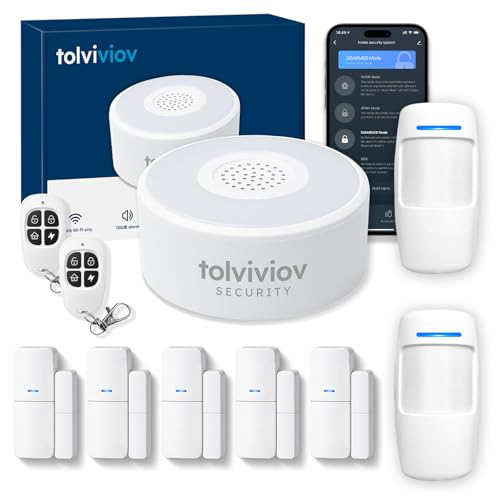
WiFi Home Security System, 10-Piece Wireless Alarm Kit with Door Sensors
- Remote Control via App: Arm, disarm, and monitor remotely
- Easy DIY Installation: Set up in minutes without professional help
- 120dB Siren: Deters intruders effectively
As an affiliate, we earn on qualifying purchases.
As an affiliate, we earn on qualifying purchases.
Frequently Asked Questions
How Does Automation Impact Long-Term Employment Stability?
Automation can threaten your long-term employment stability by disrupting the labor market and reducing job security. As machines and AI take over routine tasks, you might find it harder to maintain consistent employment. While automation boosts efficiency, it can also lead to job displacement, making it essential for you to adapt skills and stay flexible. Otherwise, you risk facing increased job insecurity in an evolving workplace landscape.
What Industries Are Most at Risk of Over-Automation?
Like a robot in a factory, the manufacturing sector faces high risks of over-automation, especially when machines replace skilled workers. Retail industries are also vulnerable, with automation threatening to replace cashiers and stockers. If you focus solely on cutting costs with automation, you might find diminishing returns, losing the human touch that customers value. Balance automation with human skills to sustain long-term growth and stability.
Can Automation Improve Job Quality or Only Replace Jobs?
Automation can improve job satisfaction by handling repetitive tasks, freeing you to focus on more engaging, skill-based work. It fosters skill development, allowing you to learn new competencies and grow professionally. While some jobs may be replaced, automation often enhances roles, making work more meaningful. Embracing automation can lead to higher job satisfaction and the opportunity to develop valuable skills, ultimately benefiting your career and personal growth.
How Do Companies Balance Automation With Employee Well-Being?
Balancing automation with employee well-being is like walking a tightrope—you need focus and strategy. You should prioritize employee engagement by involving staff in automation plans and fostering open communication. Invest in skill development so employees feel valued and adaptable. By doing this, you reduce stress and enhance morale, ensuring that automation complements human work rather than replaces it entirely. This approach keeps your team motivated and resilient in a changing workplace.
What Ethical Considerations Arise From Increased Automation?
You should consider ethical issues like AI bias and privacy concerns as automation increases. AI bias can lead to unfair treatment or discrimination, while privacy concerns arise when data is gathered without proper consent. By addressing these issues proactively, you help ensure that automation benefits everyone fairly and responsibly. Maintaining transparency, safeguarding data, and regularly reviewing AI systems help you balance innovation with ethical responsibility.

Medical Alert System for Seniors – Advanced Mini Device with Automatic Fall Detection, 24/7 Monitoring, GPS Tracking, Emergency Alert Pendant Necklace, SOS Button, Caregiver App, Waterproof | Black
- Easy Activation and Subscription: Simple setup with $39.99/month plan
- 24/7 Emergency Monitoring: Around-the-clock assistance from trained operators
- Nationwide Cellular Coverage: Works on Verizon and AT&T networks
As an affiliate, we earn on qualifying purchases.
As an affiliate, we earn on qualifying purchases.
Conclusion
So, as you look at the growing wave of automation, remember it’s like adding spice to a dish—too much can overpower the flavor. While automation boosts efficiency, overdoing it might strip away the human touch that makes work meaningful. Don’t forget, some tasks need heart and intuition, not just algorithms. Striking the right balance keeps your work lively and genuine, like a well-seasoned meal that’s just perfect.

POS Software – All in One Retail Point of Sale Software – Credit Card Processing – Store Management Features, 90 Days Money Back, Free Updates/e-mail Support/video Tutorials
- Affordable POS Software: Cost-effective retail point of sale solution
As an affiliate, we earn on qualifying purchases.
As an affiliate, we earn on qualifying purchases.

Flir PV-KIT-1 Solar Troubleshooting Kit for Photovoltaic Systems
- Power Measurement: Measures up to 1500KVA at 1500V
- IR Thermometer: Locates overheating with laser-guided IR
- Irradiance Check: Instant solar irradiance measurements
As an affiliate, we earn on qualifying purchases.
As an affiliate, we earn on qualifying purchases.