

TL;DR
While AI is often promoted as a tool to speed up workflows, experts emphasize that it cannot improve process speed without addressing foundational bottlenecks. Effective process optimization requires understanding and fixing upstream issues first.
Experts and process analysts are emphasizing that artificial intelligence alone cannot make organizational processes faster, challenging widespread assumptions about AI-driven efficiency gains.
Recent discussions, including insights from industry thinkers and process optimization literature, reveal that AI’s ability to accelerate workflows is often overstated. While AI can generate code or automate tasks, it does not resolve fundamental bottlenecks that slow down processes, such as unclear requirements or approval delays. For example, in software development, rushing to generate code with AI overlooks the importance of detailed problem scoping, which remains a time-consuming and critical step.
One common misconception is that AI can replace or bypass the need for thorough planning or upstream problem analysis. However, AI-generated code still depends on detailed specifications and domain expertise. Without clear, detailed input, AI’s output is often inaccurate or incomplete, which can lead to further delays rather than speed improvements. This mirrors traditional project bottlenecks, such as legal or approval processes, which are unaffected by automation unless their core inefficiencies are addressed.
Why It Matters
This matters because many organizations invest heavily in AI tools expecting rapid gains in efficiency. Misunderstanding AI’s actual capabilities can lead to wasted resources and persistent process delays. Recognizing that bottlenecks must be tackled directly—by improving upstream workflows and clarity—can lead to more effective process improvements and realistic expectations about AI’s role.

Theory of Constraints (TOC): Applying Lean Tools To “Identify, Exploit, Subordinate, Elevate, Repeat (CI), in the Constraint.” (Root Cause Mastery Series™)
As an affiliate, we earn on qualifying purchases.
As an affiliate, we earn on qualifying purchases.
Background
Historically, process optimization frameworks like The Toyota Way and The Goal emphasize identifying and resolving bottlenecks before automating or streamlining. Recent discussions on Hacker News and industry analyses reinforce that process speed depends on upstream problem resolution, not solely on automation or AI. The misconception that AI can instantly accelerate workflows neglects the complexities of detailed problem definition and stakeholder involvement, which remain essential regardless of technological advances.
“AI can generate code quickly, but that doesn’t mean it’s generating the correct code, or that it addresses the real bottleneck.”
— Industry analyst
“Speeding up processes requires fixing the real bottlenecks, not just adding automation or AI tools.”
— Process expert

Software Process Improvement
Used Book in Good Condition
As an affiliate, we earn on qualifying purchases.
As an affiliate, we earn on qualifying purchases.
What Remains Unclear
It remains unclear how organizations will best integrate AI into existing workflows without overestimating its impact. The extent to which AI can complement upstream process improvements is still being evaluated, and practical best practices are evolving.
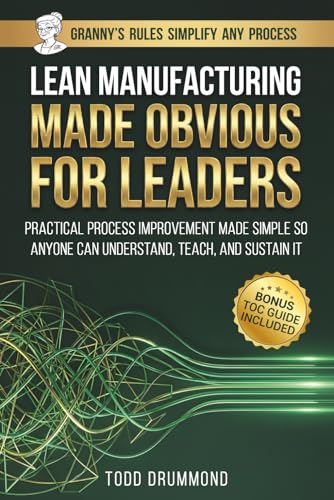
Lean Manufacturing Made Obvious For Leaders: Practical Process Improvement Made So Anyone Can Understand, Teach, And Sustain It
As an affiliate, we earn on qualifying purchases.
As an affiliate, we earn on qualifying purchases.
What’s Next
Organizations should focus on identifying and resolving upstream bottlenecks, such as unclear requirements or approval delays, before heavily investing in AI-driven automation. Future developments may include more integrated approaches that combine process analysis with AI tools to target specific inefficiencies.
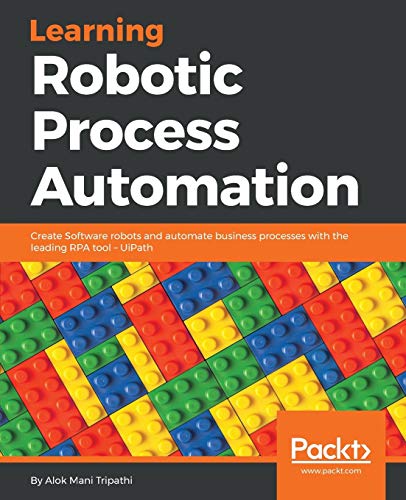
Learning Robotic Process Automation: Create Software robots and automate business processes with the leading RPA tool – UiPath
As an affiliate, we earn on qualifying purchases.
As an affiliate, we earn on qualifying purchases.
Key Questions
Can AI speed up software development?
AI can assist in generating code quickly, but without clear specifications and problem understanding, it does not automatically speed up development processes.
Why do process bottlenecks matter when implementing AI?
Because AI cannot fix underlying inefficiencies like unclear requirements or approval delays, addressing these bottlenecks is essential for any process speed improvement.
Is automation the solution to process delays?
Automation alone is insufficient; effective process improvement requires fixing upstream issues first, then applying automation where appropriate.
What should organizations focus on for faster processes?
They should identify and resolve bottlenecks, improve clarity in workflows, and ensure high-quality inputs before relying on automation or AI.