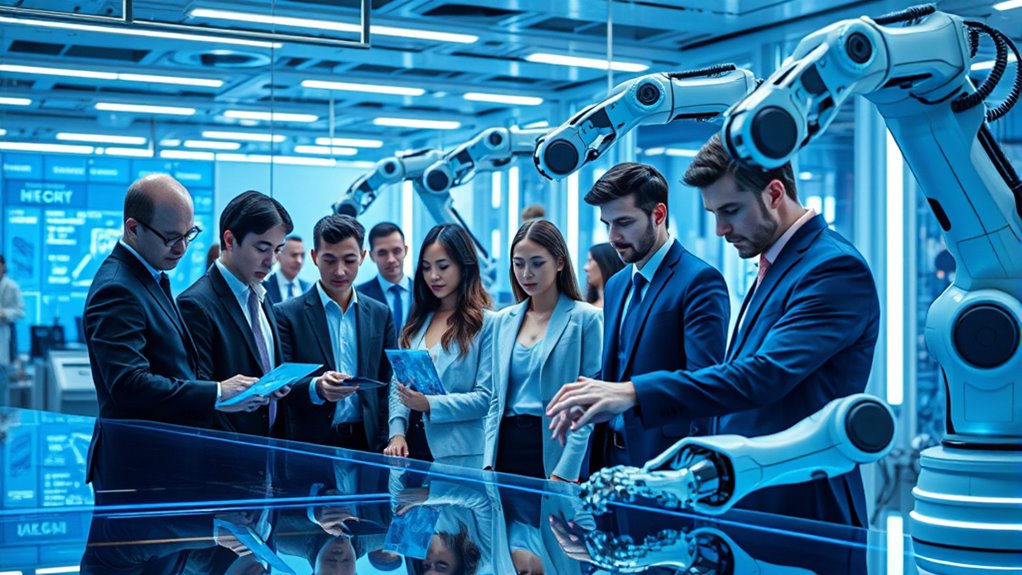

Automation can impact men and women differently because of existing biases embedded in technology and societal structures. Automated tools and AI systems may unintentionally favor certain groups, reinforcing stereotypes whether intentionally or not. This can result in widened inequalities if biases aren’t addressed properly. By understanding how technology influences workplace gender dynamics, you can see the importance of promoting fairness and inclusive development. Keep exploring to discover how these issues can be managed for a more equal future.
Listen free for 30 days with Audible
Thousands of audiobooks and originals — cancel anytime.
As an affiliate, we earn on qualifying purchases.
Key Takeaways
- Automation can reinforce existing gender biases if algorithms reflect biased training data, potentially favoring men over women.
- AI-driven hiring tools may unintentionally exclude women or marginalized groups due to embedded stereotypes.
- Without inclusive design and bias audits, automation risks deepening gender disparities in the workplace.
- Targeted upskilling and mentorship programs are crucial to ensure women are not left behind in automated industries.
- Ethical, transparent automation promotes gender equality by preventing reinforcement of stereotypes and ensuring fair opportunities.
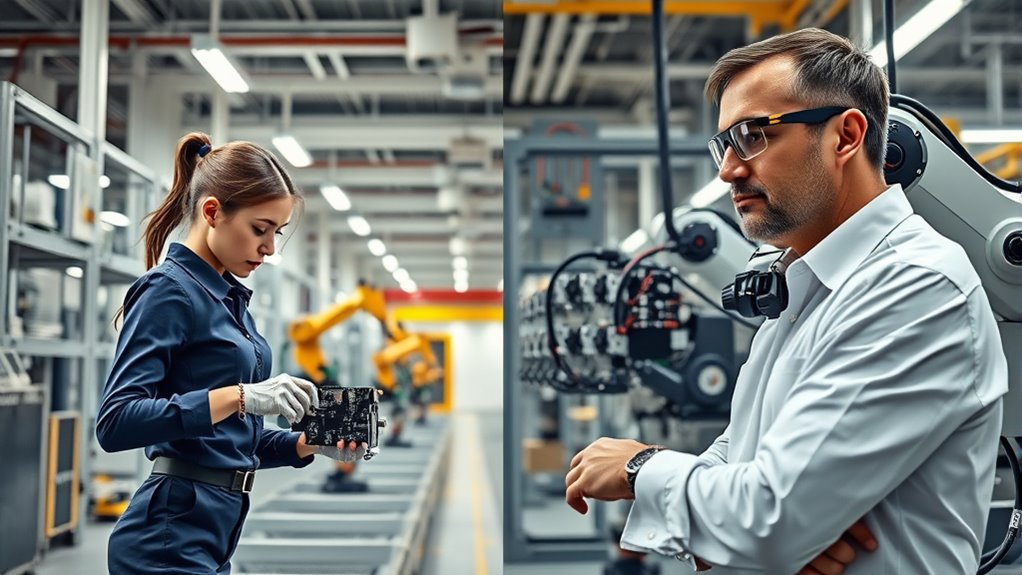
Automation is transforming workplaces worldwide, but its impact on gender roles remains complex. As you navigate this evolving landscape, you might wonder how technological advancements will influence workplace equality. While automation promises efficiency and innovation, it can also reinforce existing biases if we’re not careful. Technological biases occur when algorithms and automated systems unintentionally favor one group over another, often reflecting the prejudices embedded in the data used to develop them. If these biases are left unchecked, they can deepen gender disparities, making it harder for women and marginalized groups to access equal opportunities. For example, AI-driven hiring tools that are trained on historical data may favor male candidates if past hiring patterns favored men, therefore perpetuating gender imbalances. You need to be aware that automation isn’t inherently biased, but the way it’s designed and implemented can unintentionally reinforce stereotypes or exclude certain groups.
Automation can reinforce biases if not carefully managed, impacting gender equality in the workplace.
Ensuring workplace equality in the age of automation requires active effort. You should advocate for transparent algorithms and scrutinize automated decision-making processes to identify and correct biases. Companies that prioritize diversity and inclusion are more likely to develop and deploy technology that supports equal opportunities rather than undermining them. It’s essential that you support policies promoting fairness in AI and automation, such as regular audits for bias and inclusive data collection. This way, you help create a work environment where technology serves everyone equally, regardless of gender. Additionally, embracing diverse perspectives during the development phase of these tools can help mitigate biases before they reach the workplace. Incorporating attention to detail in evaluating automated systems ensures that subtle biases are identified and addressed early in the process.
Another critical aspect is the role of education and training. As automation transforms job roles, you need to ensure that opportunities for upskilling are accessible to all genders. Without intentional effort, automation could widen the gender gap by disproportionately affecting roles traditionally held by women or marginalized groups. Providing targeted training programs and mentorship can help bridge this divide, empowering everyone to thrive in automated workplaces. You also have a role in challenging stereotypes and advocating for a culture that values gender equality. By promoting awareness about technological biases and their impact, you contribute to a more inclusive environment where automation benefits everyone equally.
Ultimately, the intersection of automation and gender calls for vigilance and proactive measures. You must recognize that technology can be a force for good if designed thoughtfully, but it can also reinforce inequalities if left unchecked. By prioritizing fairness, transparency, and inclusivity, you can help shape workplaces where gender does not determine opportunity or success. The future of work depends on your commitment to ensuring that automation advances equality rather than deepening existing disparities.
Frequently Asked Questions
How Does Automation Influence Gender Pay Gaps Globally?
Automation impacts the gender pay gap by reshaping workforce diversity and challenging gender stereotypes. As tech advances, women may face fewer barriers in traditionally male-dominated fields, helping close pay gaps. However, if automation reinforces stereotypes or excludes women from key roles, disparities could widen. You should actively promote inclusive policies, ensuring technology benefits everyone equally and supports diverse talent, ultimately fostering fairer pay across genders.
Are Women More Likely to Lose Jobs to Automation Than Men?
Women are more likely to lose jobs to automation, often due to gender stereotypes that influence job segmentation. These stereotypes steer women into roles more vulnerable to automation, like administrative or service positions, while men occupy less automatable fields. This creates a ripple effect, making women more susceptible to job displacement as technology advances—highlighting how deeply ingrained biases shape the future workforce’s landscape.
What Role Do Cultural Factors Play in Automation’s Gender Effects?
Cultural stereotypes and societal norms shape how automation affects genders differently. You might notice that traditional roles influence which jobs are automated first, often reinforcing stereotypes about men’s and women’s work. These cultural factors can lead to biases in tech development and deployment, making it more likely for certain genders to experience job displacement or new opportunities. Recognizing these influences helps you advocate for fairer policies that address gender disparities in automation.
Can Automation Help Reduce Gender Bias in the Workplace?
They say, “what gets measured gets managed,” and automation can help reduce gender bias in the workplace. By implementing unbiased algorithms, you promote workplace diversity and bias mitigation. Automation identifies and corrects unfair practices, ensuring fair evaluations and opportunities. You can create a more inclusive environment where everyone has equal chances to succeed, transforming your workplace into one that values diversity and fairness for all employees.
How Do Educational Disparities Affect Gender Outcomes in Automation?
Educational disparities influence gender outcomes in automation by limiting access to essential skills and knowledge. When you lack educational access, you miss out on skill development opportunities, which can hinder your ability to adapt to new technologies. This widens the gender gap, as women and men with unequal education face different prospects in automation-driven industries. Addressing these disparities guarantees everyone can develop necessary skills, promoting more equitable gender outcomes in tech fields.
Conclusion
As you consider automation’s impact, remember it can reshape opportunities differently for men and women. For example, if a factory automates tasks traditionally done by women, they might face job losses or need new skills. But with proactive measures, you can help guarantee tech benefits everyone equally. Embrace the challenge by advocating for inclusive policies and lifelong learning, so automation becomes a tool for empowerment rather than inequality.
Flea & tick season Picks
flea and tick prevention
As an affiliate, we earn on qualifying purchases.