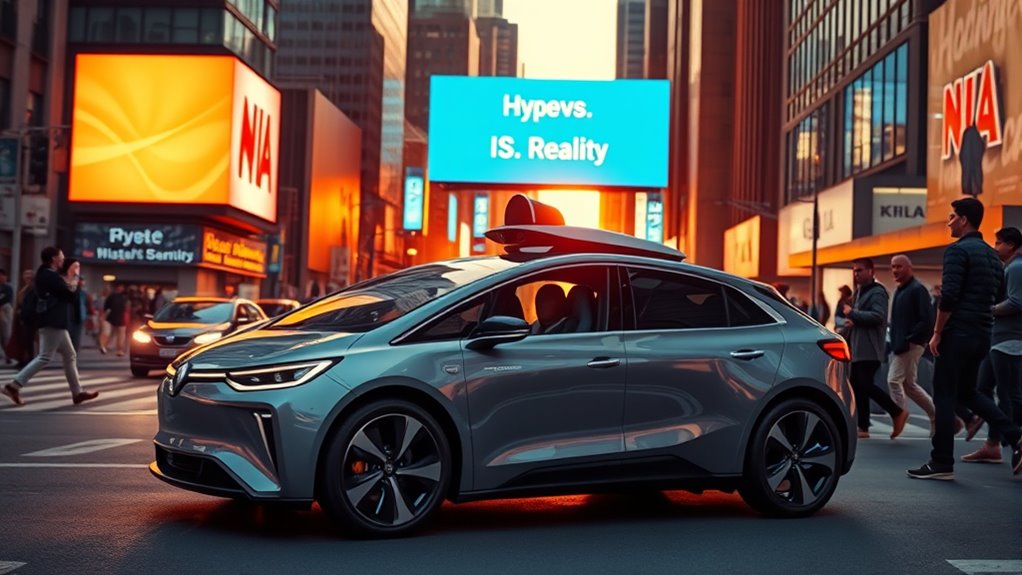

Self-driving cars have made impressive technological progress, but significant ethical, safety, and regulatory hurdles remain. You can’t yet rely on them for everyday use, as decisions around moral dilemmas and safety standards are still evolving. Governments, industries, and experts are working to address these issues, but full deployment is still a work in progress. To understand the true gap between hype and reality, explore how these challenges are shaping the future of autonomous vehicles.

Get business pricing on tech for your team
- Business-only prices and quantity discounts
- Tax-exempt purchasing
- Multiple users, one account, clear invoices
Key Takeaways
- Self-driving cars show promise but still face significant ethical, regulatory, and safety challenges before widespread deployment.
- Real-world testing is progressing, yet full integration into everyday life remains limited and cautious.
- Ethical dilemmas and lack of standardized frameworks hinder public trust and regulatory approval.
- Technological advancements are ongoing, but the gap between hype and practical readiness persists.
- Successful adoption depends on collaborative efforts to establish safety standards, ethical guidelines, and comprehensive regulations.
Self-driving cars have generated enormous excitement, promising to revolutionize transportation and eliminate human error. But as you look beyond the headlines, you realize that the reality is more complex. One of the biggest hurdles to widespread adoption lies in autonomous ethics. These vehicles must make split-second decisions that can have life-or-death consequences, raising questions about how they should prioritize safety, passenger comfort, and the well-being of others. For example, if a self-driving car faces a situation where it must choose between hitting a pedestrian or swerving to protect its passenger, how does it decide? These ethical dilemmas aren’t just philosophical—they’re essential for public trust and acceptance. Developers are working hard to encode moral choices into algorithms, but there’s no universal consensus yet. This uncertainty complicates the regulatory landscape, as lawmakers grapple with how to set standards that balance innovation with safety and ethical responsibility. Additionally, establishing clear ethical frameworks is crucial for guiding these decisions and fostering public confidence in autonomous systems.
Regulatory obstacles are another significant barrier. While many companies have made impressive technological strides, governments have been slow to establish all-encompassing rules for autonomous vehicles. You might think that once the tech is ready, regulations will follow easily, but that’s not how it works. Regulators need to ensure safety, address liability issues, and set testing standards—all of which take time and often lag behind technological advances. Different regions may also have varying laws and standards, creating a patchwork of regulations that complicate deployment. This inconsistency can stifle innovation and delay the widespread rollout of autonomous cars. Additionally, insurers are cautious, seeking clarity on liability in accidents involving self-driving vehicles, which adds another layer of regulatory complexity.
Despite these challenges, the industry continues to push forward. Companies are testing autonomous vehicles in controlled environments and gradually expanding to real-world conditions, but full integration into everyday transportation remains a work in progress. You need to understand that autonomous ethics and regulatory obstacles aren’t just hurdles—they’re fundamental issues that will shape the future of self-driving cars. Progress depends on collaborative efforts between technologists, policymakers, and the public to develop standards that are both safe and ethically sound. Until then, it’s wise to approach the hype with a healthy dose of skepticism and recognize that self-driving cars aren’t quite ready for prime time. They hold immense promise, but the journey to widespread, safe, and ethically responsible deployment is still ongoing.
As an affiliate, we earn on qualifying purchases.
Frequently Asked Questions
How Do Self-Driving Cars Handle Unexpected Road Hazards?
Self-driving cars handle unexpected road hazards through advanced obstacle detection systems and sensor reliability. You’ll find that their sensors constantly monitor the environment, allowing the vehicle to identify sudden obstacles quickly. When a hazard appears, the car responds by slowing down, stopping, or rerouting to avoid danger. While these systems are improving, they still face challenges in unpredictable situations, so always stay alert when sharing the road with autonomous vehicles.
What Are the Legal Implications of Autonomous Vehicle Accidents?
If you’re involved in a self-driving car accident, liability issues become complex. For example, if a Tesla crashes due to a software glitch, questions about whether the manufacturer or the owner is liable arise. Insurance challenges also complicate matters, as policies must adapt to autonomous tech. You could face disputes over responsibility, making legal implications critical to address as autonomous vehicles become more common on roads.
How Do Self-Driving Cars Perform in Extreme Weather Conditions?
In extreme weather, self-driving cars face challenges like sensor limitations from heavy rain, snow, or fog, which can impair their ability to detect obstacles. You’ll notice that adverse conditions may reduce performance, and vehicle communication systems might struggle to function properly, causing delays or errors. While advancements are ongoing, it’s important to remember that these vehicles still require cautious operation and may not be fully reliable in all extreme weather situations.
What Cybersecurity Risks Are Associated With Autonomous Vehicles?
You might think self-driving cars are secure, but they face serious cybersecurity threats that can compromise data privacy and safety. Hackers could take control, manipulate navigation, or steal sensitive data. It’s a double-edged sword—while these vehicles aim to revolutionize transport, vulnerabilities remain. Staying ahead of threats requires robust cybersecurity measures, but don’t let your guard down; these risks are not to be taken lightly.
How Will Self-Driving Cars Impact Employment in Transportation?
Self-driving cars will substantially impact employment in transportation by causing ride-sharing disruption and trucking industry shifts. You may see fewer drivers needed for taxis, delivery services, and freight hauling, which could lead to job losses. However, new roles might emerge in vehicle maintenance, cybersecurity, and software development. Overall, while some jobs decline, opportunities will also grow, requiring you to adapt to the evolving landscape of autonomous transportation.
autonomous vehicle ethical decision simulation
As an affiliate, we earn on qualifying purchases.
As an affiliate, we earn on qualifying purchases.
Conclusion
While self-driving cars promise a future of effortless journeys, the journey still has a few gentle curves to navigate. It’s important to remember that technology is evolving, and each step brings us closer to safer roads. Patience and understanding will help us embrace these innovations with hope and confidence. So, as the horizon slowly unfolds, trust that brighter days are ahead, filled with safer, smarter travel waiting just around the corner.
self-driving car regulatory compliance tools
As an affiliate, we earn on qualifying purchases.
As an affiliate, we earn on qualifying purchases.
autonomous vehicle testing equipment
As an affiliate, we earn on qualifying purchases.
As an affiliate, we earn on qualifying purchases.
Fall Picks
fall essentials
As an affiliate, we earn on qualifying purchases.